

City Electric Vehicle
Your Professional Electric Vehicle Supplier
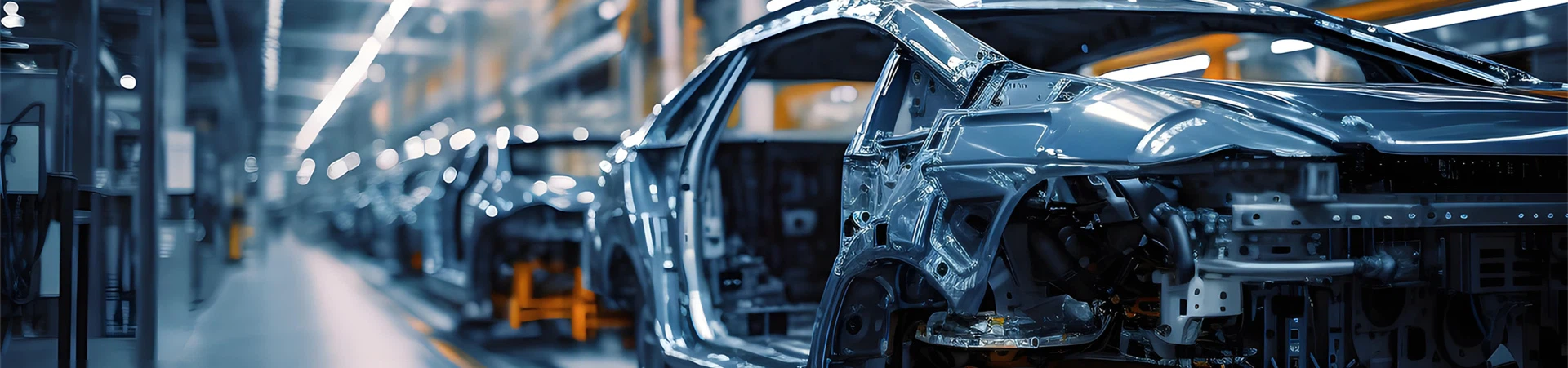
The company owns automotive grade production lines for four major manufacturing processes. We independently develop vehicle compartments and frames, and have four production workshops for stamping, welding, painting, and final assembly, with an annual production capacity of 20,000 complete vehicles. The annual total output value of body products reaches 1.8 billion yuan, and the company has now become one of the largest suppliers in Shandong Province.
Why Choose Us
Full industrial chain & large-scale manufacturing capabilities
We've set up 10 major production bases in 8 Chinese provinces, covering 360,000 square meters, to form a nationwide network. With world-class full-process production lines for stamping, welding, painting, and final assembly lines and ABB/KUKA welding robots, and other renowned brands, we can produce 20,000 electric vehicles and 10,000 special-purpose vehicles annually.
Professional R&D system and innovation capacity
We have complete Sales system, After sales service system, Quality controlling system.Our products have already exported to more than 20 countries, and we already authorized more than 18 different countries after sales agencies for our products. We can supply our overseas customer professional service according to different market special requirement from products to after sales service.
Global cooperation and quality assurance system
We have established a global cooperation and quality assurance system. Our products are exported to over 20 countries and regions worldwide, and our market share has been steadily increasing. Moreover, we have obtained a full range of certifications, including ISO9001 and IATF16949, and passed the VDA6.1/6.3 audits. By adhering to high standard quality control, we have won the trust of international customers.
Customized services and full value chain capabilities
We offer customized service for the full cycle from concept design to mass production. completing the design within 30 days, mold development within 1 to 3 months, and sample vehicle testing within 2 to 3 months. In the field of special vehicles, we offer a one-stop solution from "function definition to modification to delivery", covering municipal, logistics and emergency scenarios, and responding to demands quickly.
-
![Electric Mini Pickup Truck]() Electric Mini Pickup TruckElectric Mini Pickup Truck: A compact, durable, and energy-efficient cargo solution ideal for urban delivery, agriculture, fleet operations, and wholesale procurementread more
Electric Mini Pickup TruckElectric Mini Pickup Truck: A compact, durable, and energy-efficient cargo solution ideal for urban delivery, agriculture, fleet operations, and wholesale procurementread more -
![Electric Mini Passenger Car]() Electric Mini Passenger CarReliable Electric Mini Passenger Car with 60V power, closed cabin, CE/EEC certified, ideal for global distributors seeking durable and economical urban EVs.read more
Electric Mini Passenger CarReliable Electric Mini Passenger Car with 60V power, closed cabin, CE/EEC certified, ideal for global distributors seeking durable and economical urban EVs.read more -
![Electric Four Wheel Drive Vehicles]() Electric Four Wheel Drive VehiclesDiscover the Gate Board, a compact electric four wheel drive vehicle offering 140 km range, 540 kg load, and high efficiency for urban logistics.read more
Electric Four Wheel Drive VehiclesDiscover the Gate Board, a compact electric four wheel drive vehicle offering 140 km range, 540 kg load, and high efficiency for urban logistics.read more -
![Electric Quadricycle For Sale]() Electric Quadricycle For SaleDiscover TECREK’s electric quadricycle for sale — a compact, eco-friendly cargo EV designed for urban delivery, efficiency, and commercial use.read more
Electric Quadricycle For SaleDiscover TECREK’s electric quadricycle for sale — a compact, eco-friendly cargo EV designed for urban delivery, efficiency, and commercial use.read more -
![Urban Electric Vehicle]() Urban Electric VehicleExplore TECREK’s Urban Electric Vehicle compact, zero emission, and cost efficient, designed for city commuting and fleet mobility with 200 to 300 km range.read more
Urban Electric VehicleExplore TECREK’s Urban Electric Vehicle compact, zero emission, and cost efficient, designed for city commuting and fleet mobility with 200 to 300 km range.read more -
![Micro Electric Vehicles]() Micro Electric VehiclesEfficient micro electric vehicles by TECREK with 172km range, 15kW motor, compact 5-door design, perfect for city travel and commercial fleet use.read more
Micro Electric VehiclesEfficient micro electric vehicles by TECREK with 172km range, 15kW motor, compact 5-door design, perfect for city travel and commercial fleet use.read more -
![4 Seat Electric Vehicle]() 4 Seat Electric VehicleExplore the compact 4 Seat Electric Vehicle with 120km range, lithium iron phosphate battery, and efficient PMS motor—ideal for global urban mobility.read more
4 Seat Electric VehicleExplore the compact 4 Seat Electric Vehicle with 120km range, lithium iron phosphate battery, and efficient PMS motor—ideal for global urban mobility.read more -
![Family Tailored Electric Quadricycle]() Family Tailored Electric QuadricycleThe A900 Family Tailored Electric Quadricycle is a next-generation four-wheel electric car tailored for family use and urban commuting.read more
Family Tailored Electric QuadricycleThe A900 Family Tailored Electric Quadricycle is a next-generation four-wheel electric car tailored for family use and urban commuting.read more -
![Urban Logistics Quadricycle]() Urban Logistics QuadricycleThe Urban Logistics Electric Quadricycle is a next-generation electric cargo vehicle designed for heavy-duty urban logistics and sustainable freight solutions.read more
Urban Logistics QuadricycleThe Urban Logistics Electric Quadricycle is a next-generation electric cargo vehicle designed for heavy-duty urban logistics and sustainable freight solutions.read more -
![Compact Electric City Quadricycle]() Compact Electric City QuadricycleThe Compact Electric City Quadricycle is a stylish, practical low-speed four-wheel, four-door vehicle (310015101550mm) with a 4-seat layout. It has a 60V3000W motor, 60V100Ah battery (6-8h charge,...read more
Compact Electric City QuadricycleThe Compact Electric City Quadricycle is a stylish, practical low-speed four-wheel, four-door vehicle (310015101550mm) with a 4-seat layout. It has a 60V3000W motor, 60V100Ah battery (6-8h charge,...read more -
![Electric Passenger Quadricycle for Urban Mobility]() Electric Passenger Quadricycle for Urban MobilityElectric Passenger Quadricycle for Urban Mobility: Practical 4-seat electric quadricycle for urban travel – enclosed, stable, energy-efficient, safe and cost-effective.read more
Electric Passenger Quadricycle for Urban MobilityElectric Passenger Quadricycle for Urban Mobility: Practical 4-seat electric quadricycle for urban travel – enclosed, stable, energy-efficient, safe and cost-effective.read more -
![micro 2 seater electric car]() micro 2 seater electric carThe micro 2 seater electric car is a new-generation three-wheel electric car designed for urban commuting, family rides, and eco-friendly transportation.read more
micro 2 seater electric carThe micro 2 seater electric car is a new-generation three-wheel electric car designed for urban commuting, family rides, and eco-friendly transportation.read more


The term “electric car” typically refers specifically to battery electric vehicles (BEVs) or all-electric cars, a type of electric vehicle (EV) that has an onboard rechargeable battery pack that can be plugged in and charged from the electric grid, and the electricity stored on the vehicle is the only energy source that provide propulsion for the wheels. The term generally refers to highway-capable automobiles, but there are also low-speed electric vehicles with limitations in terms of weight, power and maximum speed that are allowed to travel on public roads. The latter are classified as Neighborhood Electric Vehicles (NEVs) in the United States, and as electric motorized quadricycles in Europe.
Types of Electric Vehicle
BEVs: Battery Electric Vehicles, also called BEVs and more frequently called EVs, are fully electric vehicles with rechargeable batteries and no gasoline engine. All energy to run the vehicle comes from the battery pack which is recharged from the grid. BEVs are zero emissions vehicles, as they do not generate any harmful tailpipe emissions or air pollution hazards caused by traditional gasoline-powered vehicles.
PHEVs: Plug-in Hybrid Electric Vehicles, or PHEVs, have both an engine and electric motor to drive the car. Like regular hybrids, they can recharge their battery through regenerative braking. They differ from regular hybrids by having a much larger battery, and being able to plug into the grid to recharge. While regular hybrids can (at low speed) travel 1-2 miles before the gasoline engine turns on, PHEVs can go anywhere from 10-40 miles before their gas engines provide assistance. Once the all-electric range is depleted, PHEVs act as regular hybrids, and can travel several hundred miles on a tank of gasoline. Most PHEVs are not capable of supporting fast charging.
HEVs: Hybrid Electric Vehicles, or HEVs, have both a gas-powered engine and an electric motor to drive the car. All energy for the battery is gained through regenerative braking, which recoups otherwise lost energy in braking to assist the gasoline engine during acceleration. In a traditional internal combustion engine vehicle, this braking energy is normally lost as heat in the brake pads and rotors. Regular hybrids cannot plug into the grid to recharge and cannot charge with electric vehicle station.
FCEVs: Fuel Cell Electric Vehicles, or FCEVs, use a propulsion system similar to that of electric vehicles, where energy stored as hydrogen is converted to electricity by the fuel cell. Unlike conventional internal combustion engine vehicles, these vehicles produce no harmful tailpipe emissions. Other benefits include increasing U.S. energy resiliency through diversity and strengthening the economy. FCEVs are equipped with other advanced technologies to increase efficiency, such as regenerative braking systems that capture the energy lost during braking and store it in a battery. Major automobile manufacturers are offering a limited but growing number of production FCEVs to the public in certain markets, in sync with what the developing infrastructure can support.
The Pros of Electric Vehicles
Environmental Benefits of Electric Cars
One of the most attractive benefits of electric vehicles is how they contribute to a more sustainable future.
Low emissions
EVs produce low tailpipe emissions. They hardly emit harmful pollutants or particulate matter into the atmosphere, which helps improve air quality – especially in urban areas – and cuts down on noise pollution from loud engines.
Reducing climate change impact
EVs help reduce greenhouse gas emissions by not burning fossil fuels. This is crucial in mitigating climate change.
Lower carbon footprint
The carbon footprint of an EV is generally lower than that of a conventional vehicle. As the electricity grid becomes greener, this advantage will only increase.
Energy conservation
EVs are significantly more energy-efficient than conventional vehicles. Some BEVs convert over 77% of the electrical energy from the grid to power the wheels. Compare that with only 12% to 30% for gasoline vehicles. This efficient use of energy helps conserve our planet's resources.
Sustainable charging
With the proper infrastructure, EVs can charge using renewable energy sources like solar or wind power. This further reduces their environmental impact and makes them crucial to a sustainable, low-carbon future.
Cost Savings of Electric Vehicles
EVs offer significant cost savings over time. Electric cars have lower fuel costs because the electricity needed to charge them can often be cheaper than gasoline. In addition, maintenance costs are lower; EVs don’t have as many moving parts and don’t require oil changes.
Over time, these significant savings can add up and make a big difference to your savings. That doesn’t even touch on the resale value of EVs, which often retain their worth. When it’s time to upgrade, you can recoup some of the cost of transitioning.
Improved Safety and Performance
EVs aren’t just cost-effective, they also offer some safety benefits. EVs offer state-of-the-art driver assist and safety features typical of most new vehicles. Electric vehicles benefit from performance enhancements that traditional internal combustion cars don’t have. These include:
A lower center of gravity than gas-powered cars, leading to reduced rollovers.
Quicker acceleration due to increased torque
Better crumple zones due to the absence of a large engine block.
These fleet safety and sustainability features make managing your fleet even easier.
The Cons of Electric Vehicles
Finding A Charging Station
Currently, there is no real comparison between the number of gas stations vs charging stations. For many who might charge at home every night and don't regularly need access to other charges this is only a minor factor. There has been a rapid increase in the number of charging stations across the country in the last 5 years. According to statista.com, the US had over 40k charging stations as of Feb 2021. This number will only go up as adoption of EV increases. There has also been a big push from automakers to help accelerate the growth of charging stations which should help alleviate this issue in the years to come. One example is the recent GM partnership with EVgo (the largest public fast-charging network in the US) to add more than 2,700 more stations in public venues over the next five years.
Charging Takes Longer
One thing gas has over electricity is how quickly you can refill the tank. Filling up at a gas station takes two to three minutes. Recharging an electric car can take hours to fully charge. The time will vary on the model of the car and the throughput of the charger. Newer fast chargers are rated for a higher wattage and can charge up a battery to around 80% in about 30 minutes. As the technology matures, this time should continue to decrease. For many, this is not a concern as they drive less than the range of their EV most days, but for those who need to drive longer distances regularly this should be a consideration.
Higher Initial Purchase Cost
While it is true that all electric cars cost less to operate then their gas-powered cousins, the lower ongoing costs typically come at the tradeoff of a higher purchase price. The current price gap between equivalent models seems to be around $10,000, but this gap should continue to decrease as the technology matures. Despite this, EVs tend to cost less over the lifetime of the vehicle when you factor in gas and maintenance. However, there are often national incentives and rebates that can close some/all of this purchase gap, as EVs is an emerging Market.

The following energy storage systems are used in all-electric vehicles, PHEVs, and HEVs.
Lithium-Ion Batteries
Lithium-ion batteries are currently used in most portable consumer electronics such as cell phones and laptops because of their high energy per unit mass and volume relative to other electrical energy storage systems. They also have a high power-to-weight ratio, high energy efficiency, good high-temperature performance, long life, and low self-discharge. Most components of lithium-ion batteries can be recycled, but the cost of material recovery remains a challenge for the industry. Most of today's all-electric vehicles and PHEVs use lithium-ion batteries, though the exact chemistry often varies from that of consumer electronics batteries. Research and development are ongoing to reduce their relatively high cost, extend their useful life, use less cobalt, and address safety concerns in regard to various fault conditions.
Lead-Acid Batteries
Lead-acid batteries can be designed to be high power and are inexpensive, safe, recyclable, and reliable. However, low specific energy, poor cold-temperature performance, and short calendar and lifecycle impede their use. Advanced high-power lead-acid batteries are being developed, but these batteries are only used in commercially available electric-drive vehicles for ancillary loads. They are also used for stop-start functionality in internal combustion engine vehicles to eliminate idling during stops and reduce fuel consumption.
Nickel-Metal Hydride Batteries
Nickel-metal hydride batteries, used routinely in computer and medical equipment, offer reasonable specific energy and specific power capabilities. Nickel-metal hydride batteries have a much longer life cycle than lead-acid batteries and are safe and abuse tolerant. These batteries have been widely used in HEVs. The main challenges with nickel-metal hydride batteries are their high cost, high self-discharge rate, heat generation at high temperatures, and the need to control hydrogen loss.
Ultracapacitors
Ultracapacitors store energy in the interface between an electrode and an electrolyte when voltage is applied. Energy storage capacity increases as the electrolyte-electrode surface area increases. Although ultracapacitors have low energy density, they have high power density, which means they can deliver high amounts of power in a short time. Ultracapacitors can provide vehicles additional power during acceleration and hill climbing and help recover braking energy. They may also be useful as secondary energy-storage devices in electric-drive vehicles because they help electrochemical batteries level load power.
Currently, most electric cars are powered by rechargeable lithium-ion batteries that are compact and have a very high energy density. They are charged primarily by an external electricity source, which can be as simple as a standard 120-volt outlet. The onboard charger takes the incoming alternating current (AC) electricity and converts it to direct current (DC) power for charging the main battery. The power is delivered to what is called the electric traction motor that drives the car’s wheels.
A variety of sophisticated electronic components are involved in the process:
Onboard Charger
Converts incoming AC electricity to DC power for charging the battery
Charge Port
Enables the car to be plugged in to an external power source to charge the battery
Electric Motor
Powered from the battery, the electric motor propels the car at all times
Battery
Typically positioned below the seats for better weight distribution, these batteries can be as large as 100kWh and power the electric motor.
What to Consider When Buying an Electric Vehicle?
Pure Electric or Hybrid Vehicle?
There are mainly three types of electric vehicle on the market these days: all-electric Battery Electric Vehicles (BEVs), Plug-in Hybrid Electric Vehicles (PHEVs), and conventional, non-plug-in Hybrid Electric Vehicles (HEVs).
BEVs are ideal for environmentally conscious drivers who want to lower their monthly fuel costs substantially. They are the new world of cars.
PHEVs are aimed at people who want to dip their toe into the EV world, but still require the safety blanket of a petrol/diesel engine to fall back on. Fuel savings can be achieved, but require strict daily charging of the battery. High mileage drivers will see lower fuel savings, as the internal combustion engine will be used more.
HEVs are typically advertised as 'self-charging hybrids', can't be plugged in, and don't benefit from cheap electricity. HEVs are like traditional cars, but can be electric only at low speeds and for short distances.
What Battery Range Do I Need?
Once you've worked out what type of EV suits you best, battery range is the next item to focus on with an electric vehicle.
HEVs run on petrol/diesel, so you just fill up with fuel as normal and range isn’t an issue.
PHEVs typically have a battery range of 20-40 miles, depending on the model, and you can fall back on the petrol/diesel engine when the battery runs out. So, as with HEVs, range can be managed by filling up with fuel. However, if you want to keep up your environmental credentials and save money, pick a PHEV with as much battery range as possible.
BEVs, on the other hand, are only powered by a battery and you do have to think about range before you choose a car.
Warning! Battery range drops considerably when it’s cold outside and at high speeds.
How Fast Will the Car Charge?
If you have off-street parking and decide on a BEV or PHEV, you’re best off getting a dedicated charging point installed. Home charging on the ‘AC’ grid is limited to 7.4 kW and nearly all BEVs can charge at that speed now, though there are some exceptions. If you don’t have off-street parking, there are now plenty of options for charging in your neighborhood and at other convenient locations.
However, the main area to focus on when choosing a fully electric BEV is ‘rapid’ or ‘DC’ charging.
Every BEV has a maximum rapid DC charging rate. It might be 80 kW, 100 kW, 150 kW, 240 kW, etc. What does this mean in practice? DC charging allows you to get extra range into your car quickly. For example, 20 minutes plugged into a rapid charger at a motorway service station at 50 kW will give you about 60 miles more range.
Newer rapid chargers are rated at 150 to 350 kW. But if your car has an internal maximum DC charge rate of say 100 kW, then it can only charge at 100 kW, even on a 350-kW charger. So, if you’re a high mileage driver, or if you like to go on long trips, consider getting a BEV with a high DC charging rate to be able to charge quickly and make your vehicle as future proof as possible.
Most PHEVs can't be rapid charged at DC charging stations.
How Much Can I Save?
One of the biggest wins when moving from an internal combustion engine car to a plug-in EV comes from fuel savings. Home electricity is cheaper than petrol or diesel, and annual savings can run into the hundreds of dollars if you choose an all-electric BEV. So, when choosing an EV, compare battery efficiency. You can do this by dividing the battery range by the usable capacity of the battery in kWh. The higher the figure the better. The higher the battery efficiency is, the more money you'll save from the energy cost.
Our Factory
We have over 10 production bases in 8 provinces and municipalities across the country, located in Qingdao, Weifang, Zhucheng, Laiwu, Shandong Province, Jinzhong, Shanxi Province, Baoji, Shaanxi Province, Shenyang, Liaoning Province, Jingdezhen, Jiangxi Province, etc. Our products cover electric microcars, electric tricycles, electric freight tricycles, electric commercial vehicles and special-purpose vehicles, etc.


Our Certificate

Ultimate Guide to Electric Vehicles
As one of the leading electric vehicle manufacturers in China, we warmly welcome you to buy high-grade electric vehicle made in China here from our factory. All our products are with high quality and competitive price.
Electric Motorcycle, Four Seats LFP Electric Vehicle, Sports Fat Tire Electric Bicycle