

Electric Passenger Vehicle
Your Professional Electric Vehicle Supplier
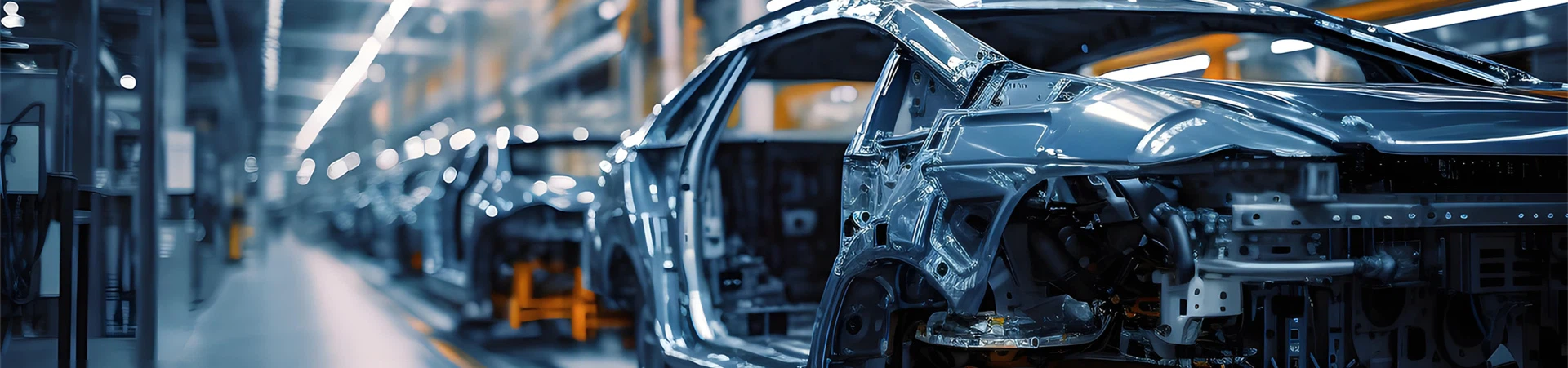
The company owns automotive grade production lines for four major manufacturing processes. We independently develop vehicle compartments and frames, and have four production workshops for stamping, welding, painting, and final assembly, with an annual production capacity of 20,000 complete vehicles. The annual total output value of body products reaches 1.8 billion yuan, and the company has now become one of the largest suppliers in Shandong Province.
Why Choose Us
Full industrial chain & large-scale manufacturing capabilities
We've set up 10 major production bases in 8 Chinese provinces, covering 360,000 square meters, to form a nationwide network. With world-class full-process production lines for stamping, welding, painting, and final assembly lines and ABB/KUKA welding robots, and other renowned brands, we can produce 20,000 electric vehicles and 10,000 special-purpose vehicles annually.
Professional R&D system and innovation capacity
We have complete Sales system, After sales service system, Quality controlling system.Our products have already exported to more than 20 countries, and we already authorized more than 18 different countries after sales agencies for our products. We can supply our overseas customer professional service according to different market special requirement from products to after sales service.
Global cooperation and quality assurance system
We have established a global cooperation and quality assurance system. Our products are exported to over 20 countries and regions worldwide, and our market share has been steadily increasing. Moreover, we have obtained a full range of certifications, including ISO9001 and IATF16949, and passed the VDA6.1/6.3 audits. By adhering to high standard quality control, we have won the trust of international customers.
Customized services and full value chain capabilities
We offer customized service for the full cycle from concept design to mass production. completing the design within 30 days, mold development within 1 to 3 months, and sample vehicle testing within 2 to 3 months. In the field of special vehicles, we offer a one-stop solution from "function definition to modification to delivery", covering municipal, logistics and emergency scenarios, and responding to demands quickly.
-
![Electric Mini Passenger Car]() Electric Mini Passenger CarReliable Electric Mini Passenger Car with 60V power, closed cabin, CE/EEC certified, ideal for global distributors seeking durable and economical urban EVs.read more
Electric Mini Passenger CarReliable Electric Mini Passenger Car with 60V power, closed cabin, CE/EEC certified, ideal for global distributors seeking durable and economical urban EVs.read more -
![Urban Electric Vehicle]() Urban Electric VehicleExplore TECREK’s Urban Electric Vehicle compact, zero emission, and cost efficient, designed for city commuting and fleet mobility with 200 to 300 km range.read more
Urban Electric VehicleExplore TECREK’s Urban Electric Vehicle compact, zero emission, and cost efficient, designed for city commuting and fleet mobility with 200 to 300 km range.read more -
![Micro Electric Vehicles]() Micro Electric VehiclesEfficient micro electric vehicles by TECREK with 172km range, 15kW motor, compact 5-door design, perfect for city travel and commercial fleet use.read more
Micro Electric VehiclesEfficient micro electric vehicles by TECREK with 172km range, 15kW motor, compact 5-door design, perfect for city travel and commercial fleet use.read more -
![4 Seat Electric Vehicle]() 4 Seat Electric VehicleExplore the compact 4 Seat Electric Vehicle with 120km range, lithium iron phosphate battery, and efficient PMS motor—ideal for global urban mobility.read more
4 Seat Electric VehicleExplore the compact 4 Seat Electric Vehicle with 120km range, lithium iron phosphate battery, and efficient PMS motor—ideal for global urban mobility.read more -
![Family Tailored Electric Quadricycle]() Family Tailored Electric QuadricycleThe A900 Family Tailored Electric Quadricycle is a next-generation four-wheel electric car tailored for family use and urban commuting.read more
Family Tailored Electric QuadricycleThe A900 Family Tailored Electric Quadricycle is a next-generation four-wheel electric car tailored for family use and urban commuting.read more -
![Compact Electric City Quadricycle]() Compact Electric City QuadricycleThe Compact Electric City Quadricycle is a stylish, practical low-speed four-wheel, four-door vehicle (310015101550mm) with a 4-seat layout. It has a 60V3000W motor, 60V100Ah battery (6-8h charge,...read more
Compact Electric City QuadricycleThe Compact Electric City Quadricycle is a stylish, practical low-speed four-wheel, four-door vehicle (310015101550mm) with a 4-seat layout. It has a 60V3000W motor, 60V100Ah battery (6-8h charge,...read more -
![Electric Passenger Quadricycle for Urban Mobility]() Electric Passenger Quadricycle for Urban MobilityElectric Passenger Quadricycle for Urban Mobility: Practical 4-seat electric quadricycle for urban travel – enclosed, stable, energy-efficient, safe and cost-effective.read more
Electric Passenger Quadricycle for Urban MobilityElectric Passenger Quadricycle for Urban Mobility: Practical 4-seat electric quadricycle for urban travel – enclosed, stable, energy-efficient, safe and cost-effective.read more -
![micro 2 seater electric car]() micro 2 seater electric carThe micro 2 seater electric car is a new-generation three-wheel electric car designed for urban commuting, family rides, and eco-friendly transportation.read more
micro 2 seater electric carThe micro 2 seater electric car is a new-generation three-wheel electric car designed for urban commuting, family rides, and eco-friendly transportation.read more -
![Electric Mini Bus]() Electric Mini BusOur electric mini bus has two version:one is low endurance mileage,another one is high endurance mileage,the low endurance mileage model has 42 kwh battery,the mileage could catch up 260 km,the...read more
Electric Mini BusOur electric mini bus has two version:one is low endurance mileage,another one is high endurance mileage,the low endurance mileage model has 42 kwh battery,the mileage could catch up 260 km,the...read more -
![Electric Four Doors Sports Car]() Electric Four Doors Sports CarThe model Electric four doors sports car Eli003 take the new fashionable design,the wheelbase can catch up 2750mm which already get A+class car,the model Eli003 has two version 400km and 500km...read more
Electric Four Doors Sports CarThe model Electric four doors sports car Eli003 take the new fashionable design,the wheelbase can catch up 2750mm which already get A+class car,the model Eli003 has two version 400km and 500km...read more -
![Electric Two Doors Mini Car]() Electric Two Doors Mini CarZ001 Electric two doors mini car is our company new design two doors electric mini car,it has new fashionable outlook design,and good quality dashboard,and high finishing interior trim parts,it...read more
Electric Two Doors Mini CarZ001 Electric two doors mini car is our company new design two doors electric mini car,it has new fashionable outlook design,and good quality dashboard,and high finishing interior trim parts,it...read more -
![Electric Compact Car]() Electric Compact CarThe model SM001 Electric Compact Car is new generation travel boutique small vehicle,With a 2340 mm extra-long wheelbase, 5 doors and 4 seats,the SM001 Electric Compact Car enables a comfortable...read more
Electric Compact CarThe model SM001 Electric Compact Car is new generation travel boutique small vehicle,With a 2340 mm extra-long wheelbase, 5 doors and 4 seats,the SM001 Electric Compact Car enables a comfortable...read more


An electric passenger vehicle is a type of electric vehicle designed to transport passengers. It operates using one or more electric motors powered by electricity stored in batteries or fuel cells, rather than relying on traditional fossil fuels like gasoline or diesel. These vehicles offer environmental benefits, such as lower emissions and reduced reliance on finite resources, making them a popular choice for eco-conscious consumers. Electric passenger vehicles come in various forms, including sedans, hatchbacks, SUVs, and even electric versions of traditional combustion-engine vehicles.
Types of Electric Passenger Vehicle
Battery Electric Vehicles (BEVs)
Battery Electric Vehicles (BEVs), also known as “all-electric vehicles,” are battery-powered and run entirely on electricity stored in a rechargeable battery pack. Unlike hybrid vehicles with gasoline engines, BEVs do not have an internal combustion engine.
BEVs rely entirely on external equipment to recharge their batteries, which can take anywhere from 20 minutes to 50 minutes, depending on the charging rate and the vehicle's battery capacity. The driving range of a typical BEV varies based on the vehicle and the battery pack's size, but they can generally travel anywhere from 100 to 500+ miles or more on a full charge.
Plug-In Hybrid Electric Vehicles (PHEVs)
Plug-in Hybrid Electric Vehicles (PHEVs) combine both electric and gasoline or diesel power. The way it does this is based on the drivetrain, which creates two sub-classifications of PHEVs:
• Series: Uses a gas engine to charge the electric battery, meaning the vehicle’s movement is entirely from electric energy.
• Parallel: Can use a gas engine to power the vehicle with or instead of the electric motor, meaning the vehicle can run entirely on gas, a combination of gas and electricity, or electricity only.
PHEVs can be recharged by plugging into an external power source, just like BEVs, but they also have the option to be refueled at gas stations. The versatility of having an engine and electric motor allows PHEVs to travel longer distances without drivers worrying about finding a charging station. On average, PHEVs currently in the market can travel anywhere from 15-60+ miles on electric power alone, depending on the vehicle and battery size, before switching to gasoline power.
Hybrid Electric Vehicles (HEVs)
Hybrid Electric Vehicles (HEVs) utilize both electric and gasoline power—but unlike PHEVs, they cannot be plugged in to charge. The internal combustion engine is fueled by gasoline, and a separate electric motor is recharged with regenerative braking or through the gasoline engine via an onboard generator.
HEVs typically have smaller battery packs than PHEVs and BEVs, which limit their electric-only driving range. However, their gasoline engine provides additional range, allowing them to typically travel longer distances than BEVs. HEVs are also more fuel-efficient than traditional gasoline vehicles, making them a good option for individuals who want to reduce their carbon emissions while driving and save on fuel costs. On average, HEVs can travel anywhere from under 20-59 miles per gallon of gasoline, depending on the vehicle's size and driving conditions.
Benefits of a BEV
- Simplicity
The simplicity of the BEV is one of its biggest advantages. There are so few moving parts in a battery electric vehicle that very little maintenance is required. There are no oil changes or other fluids like engine oil, resulting in few tune-ups that are required for a BEV. Simply plug in and go! - Cost-savings
The savings from reduced maintenance expenses can add up to significant savings over the lifetime of the vehicle. Also, fuel costs are generally higher when using the gas-powered combustion engine versus electric power. Depending on the driving routine of a PHEV, the total cost of ownership over the electric car battery lifespan can be comparable to — or even more expensive than — that for a BEV. - Climate Benefits
When you drive fully electric, you can rest easy knowing that you’re contributing to a cleaner environment by moving the world away from gas. An internal combustion engine releases planet-warming CO2 emissions, as well as toxic chemicals like nitrous oxides, volatile organic compounds, fine particulate matter, carbon monoxide, ozone, and lead. EVs are more than four times more efficient than gas-powered cars. This is a major advantage over traditional vehicles, and equates to saving around three tons of carbon dioxide emissions each year. Moreover, EVs typically draw their electricity from the grid, which is shifting to renewables more broadly every day
Benefits of a PHEV
- Up-front Costs (for now)
Most of the upfront cost of an electric vehicle come from its battery. Because PHEVs have smaller batteries than BEVs, their upfront costs tend to be lower. However, as mentioned, the cost of maintaining its internal combustion engine and other non-electric parts — as well as the cost of gas — can bring the costs of a PHEV up over its lifetime. The more you drive electric, the cheaper the lifetime costs will be — so if the PHEV is well charged, and you tend to take short trips, you’ll be able to drive without resorting to gas. - Flexibility
While owners will want to keep their plug-in hybrids charged as often as possible to enjoy the savings that driving on electricity provides, they aren’t required to charge the battery in order to use the vehicle. Plug-in hybrids will act like a conventional hybrid electric vehicle if they aren’t charged up from a wall outlet. Therefore, if the owner forgets to plug the vehicle in one day or drives to a destination that doesn’t have access to an electric vehicle charger, it’s not an issue. PHEVs tend to have a shorter electric range, which means you’ll need to use gas. This is a benefit for some drivers who may have range anxiety or nerves about being able to recharge their EV on the road.
Considerations When Buying an Electric Passenger Vehicle



Does the Car Have Enough Range?
A growing number of today’s electric passenger cars offer 250 to 300 miles of range on a charge, though there are still a few that have less.
With 250 miles of range, most people aren’t going to experience range anxiety during their daily commutes, though the range will vary regardless of the EPA’s estimates (United States Environmental Protection Agency). Many factors impact a car’s range, including your speed, your driving habits, the weather and your preferred climate control settings. It’s wise to anticipate having less range than the car’s maximum EPA estimate, just to be safe.
Can I Charge My Electric Vehicle at Home?
One of the most convenient aspects of EV ownership is charging at home. At the end of the day, you simply plug the car in, and when you wake in the morning, it’s ready to go. This means no more smelly hands from pumping gas, no more standing out in the cold and no more pulling your car out of your garage to warm it up.
With that said, there are several important considerations. You can charge your EV using a standard 110-volt wall outlet (Level 1 charging), but it’s going to take a long time. Level 1 charging adds about 4 miles of range per hour.
Some electric car owners hire an electrician to install a 240-volt outlet in their garage. This allows for Level 2 charging, which can add around 25 miles of range per charging hour. If you don’t have a garage, you can plug in outside. If you have a 240-volt outlet installed outside, make sure it's up to code, and that the charging cord or station is designed for outdoor use.
Are There Public Charging Stations Nearby?
While home charging is the most convenient way to juice up your electric car, you’ll probably need to charge on the road at some point. Many public charging stations are Level 2, but some offer DC fast charging, which allows you to charge your car rapidly. Some EVs can be charged to 80% in less than 30 minutes at a fast-charging station.
Make sure you find out if the EV you’re considering is capable of fast charging, as well as how many miles you can expect to add in a given time. In addition, you should locate the charging stations in your area and on your typical routes, and then determine what type of charging they support.
What Do I Need to Know About EV Maintenance?
Overall, electric cars require less maintenance than gas-powered cars. There are virtually no fluids to change, and the friction brakes last longer since regenerative braking assists with stopping the car.
An EV’s battery and motor have the potential to last longer than the life of the car. In the rare event that an EV’s battery needs replacing, it can cost much higher than replacing an engine in a gas car. If you happen to have the need, remember to check if there's any government incentives or protocol available, these are not rare as electric vehicle is an emerging and boosting industry.
How Much Does It Cost to Insure an Electric Car?
Insurance tends to cost more for electric cars than traditional cars. However, it has nothing to do with the vehicle’s safety. Instead, it’s because EVs are more expensive than gas-powered cars. More expensive cars typically cost more to repair. Insurance companies also take into account the high cost of EV battery packs. If an accident causes damage to the pack, and it needs to be replaced, it’s one of the most expensive repairs insurance companies will have to cover.
Our Factory
The three producing bases located in Linyi, Shandong, Yancheng, Jiangsu, Haining, Zhejiang, Linyi factory mainly produces new energy passenger vehicles, Yancheng factory mainly produces new energy tourist vehicles and various new energy modified models, Haining factory mainly produces new energy commercial vehicles.


Our Certificate

Frequently Asked Questions
As one of the leading electric passenger vehicle manufacturers in China, we warmly welcome you to buy high-grade electric passenger vehicle made in China here from our factory. All our products are with high quality and competitive price.
9L Portable Fridges, Camping Tunnel Tent, Mini Electric Vehicle