

Car Tent
Your Professional Electric Vehicle Supplier
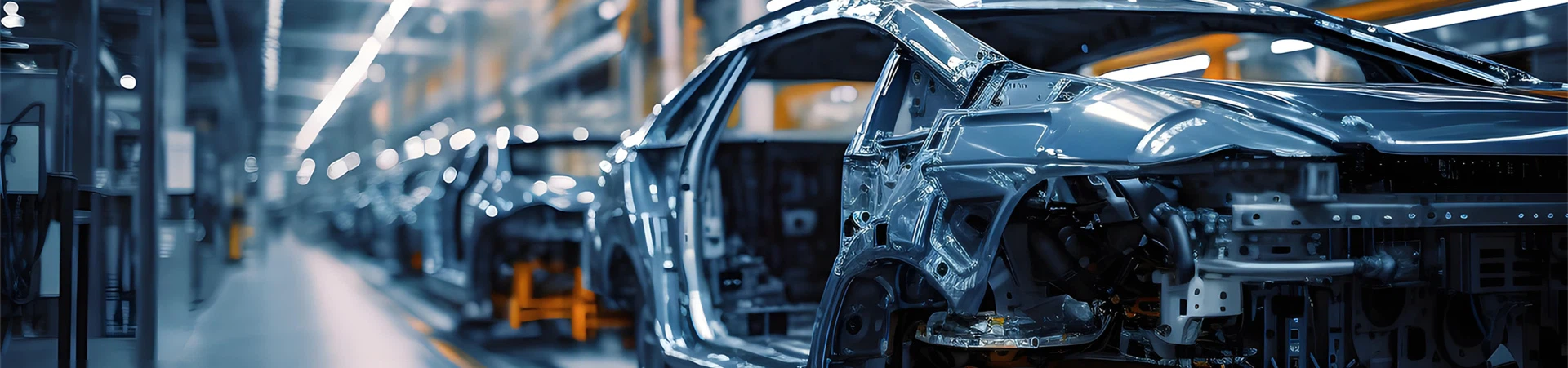
The company owns automotive grade production lines for four major manufacturing processes. We independently develop vehicle compartments and frames, and have four production workshops for stamping, welding, painting, and final assembly, with an annual production capacity of 20,000 complete vehicles. The annual total output value of body products reaches 1.8 billion yuan, and the company has now become one of the largest suppliers in Shandong Province.
Why Choose Us
Full industrial chain & large-scale manufacturing capabilities
We've set up 10 major production bases in 8 Chinese provinces, covering 360,000 square meters, to form a nationwide network. With world-class full-process production lines for stamping, welding, painting, and final assembly lines and ABB/KUKA welding robots, and other renowned brands, we can produce 20,000 electric vehicles and 10,000 special-purpose vehicles annually.
Professional R&D system and innovation capacity
We have complete Sales system, After sales service system, Quality controlling system.Our products have already exported to more than 20 countries, and we already authorized more than 18 different countries after sales agencies for our products. We can supply our overseas customer professional service according to different market special requirement from products to after sales service.
Global cooperation and quality assurance system
We have established a global cooperation and quality assurance system. Our products are exported to over 20 countries and regions worldwide, and our market share has been steadily increasing. Moreover, we have obtained a full range of certifications, including ISO9001 and IATF16949, and passed the VDA6.1/6.3 audits. By adhering to high standard quality control, we have won the trust of international customers.
Customized services and full value chain capabilities
We offer customized service for the full cycle from concept design to mass production. completing the design within 30 days, mold development within 1 to 3 months, and sample vehicle testing within 2 to 3 months. In the field of special vehicles, we offer a one-stop solution from "function definition to modification to delivery", covering municipal, logistics and emergency scenarios, and responding to demands quickly.
-
![Car Canopy Tent]() Car Canopy TentCar canopy tent is made of high-strength materials and are mounted on the roof of the car, which can be fully opened or closed. The size and shape of the canopy can be customized according to the...read more
Car Canopy TentCar canopy tent is made of high-strength materials and are mounted on the roof of the car, which can be fully opened or closed. The size and shape of the canopy can be customized according to the...read more -
![Camping Tunnel Tent]() Camping Tunnel TentA Camping tunnel tent is a camping tent that resembles a tunnel in appearance, usually consisting of multiple frames that provide a large interior space, making it suitable for families or large...read more
Camping Tunnel TentA Camping tunnel tent is a camping tent that resembles a tunnel in appearance, usually consisting of multiple frames that provide a large interior space, making it suitable for families or large...read more -
![Hardshell Car Roof Tent]() Hardshell Car Roof TentHard shell car roof tent is made of aluminum panels and aluminum channels on all four sides. The accessory channel allows easy installation of various accessories.read more
Hardshell Car Roof TentHard shell car roof tent is made of aluminum panels and aluminum channels on all four sides. The accessory channel allows easy installation of various accessories.read more -
![Hard Top Rollover Car Roof Tent]() Hard Top Rollover Car Roof TentHard top rollover car roof tent is made of aluminum panels and aluminum channels on all four sides. The accessory channel allows easy installation of various accessories.read more
Hard Top Rollover Car Roof TentHard top rollover car roof tent is made of aluminum panels and aluminum channels on all four sides. The accessory channel allows easy installation of various accessories.read more -
![Soft top Roof Tent]() Soft top Roof TentSoft-top roof tent is made of aluminum panels and aluminum channels on all four sides. The accessory channel allows easy installation of various accessories.read more
Soft top Roof TentSoft-top roof tent is made of aluminum panels and aluminum channels on all four sides. The accessory channel allows easy installation of various accessories.read more


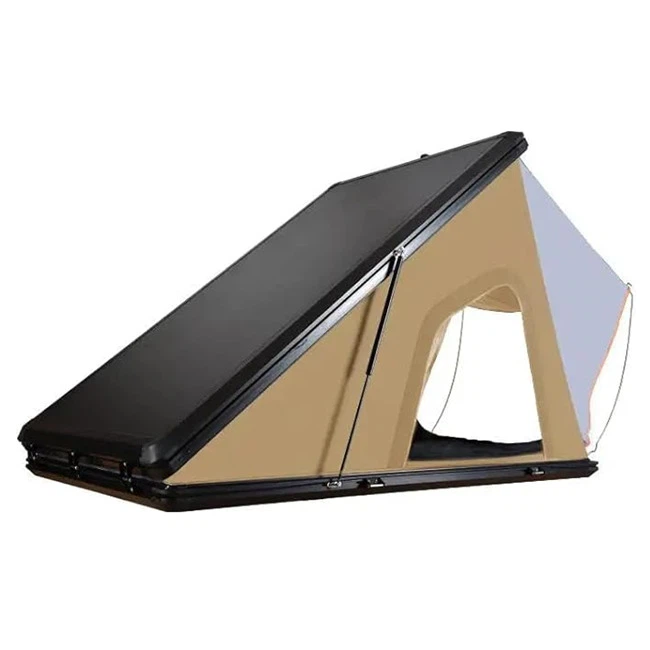
Car tent, or car rooftop tents, elevate your camping experience. They are tents that mount onto your vehicle’s rack system and are an alternative to a ground tent, RV, or camper. They allow you to easily convert any vehicle – car, SUV, crossover, wagon, pickup truck, van, trailer - into a mobile basecamp that is always ready for adventure. Aside from the incredible views and comfy mattress, there are many benefits to using a rooftop tent while camping – either alone or with friends and family.
Soft-top Roof Tent
These tents typically feature a fabric roof and walls, often made from durable materials like canvas. They are easy to set up and take down, and they are lightweight and compact for storage and transportation.
Hard Top Rollover Car Roof Tent
These tents are designed to be mounted on the roof of a vehicle. They often feature a hardshell top that provides extra protection from the elements and can withstand rough weather conditions.
Hardshell Car Roof Tent
Similar to the hard top rollover tent, hardshell car roof tents have a durable, rigid structure that provides stability and protection. They are usually quick to set up and offer a comfortable sleeping area on top of a vehicle.
Camping Tunnel Tent
These tents have a tunnel-like shape and often offer more space compared to traditional dome tents. They are suitable for families or larger groups and provide ample headroom and storage space.
Car Canopy Tent
Car canopy tents are designed to provide shelter for vehicles, such as cars, trucks, or RVs. They offer protection from the sun, rain, and other weather conditions and can be used for camping, outdoor events, or as temporary storage.
Advantages of Car Tent
Convenience and Ease of Set-Up
One of the main advantages you get with a car tent is the ease of set-up. Unlike ground tents, car tents can be set up in just a few minutes, as they are already pre-assembled on the roof of the vehicle. Some higher-end assemblies offer gas strut assistance, so the tent practically unfolds itself. Most models are built to leave the foam mattress inside, so once you pop the top and toss your sleeping bag inside, your shelter is ready. This saves a lot of time and hassle, particularly when camping in remote areas or when a storm is approaching. The versatility of car tents could allow them to be fixed atop some camper shells, alongside your other truck accessories, such as a retractable awning or sun shade.
Elevated Sleeping Platform
car tents offer an elevated sleeping platform that provides an unhindered view, improved ventilation during warm nights, and protection from ground moisture. Whereas with a ground tent, you’ll have to lay the pieces out in the morning sun so it dries out the condensation accumulated during the night. The elevated position of a car tent is particularly useful in areas with rocky or uneven terrain where it may be difficult to find a flat spot big enough to accommodate a ground tent.
Added Peace of Mind
car tents provide an added level of protection from wildlife, which can be comforting in areas with dangerous animals like bears or mountain lions. A bear or mountain lion will still hop into your tent if it wants to, but at least you’ll be at eye level and may be able to take a better swing at their nose. In reality, ants and other small wildlife are the real creepy crawlies that will find it harder to reach you in your rooftop fortress. Above all, your tent will get you up out of the bushes and provide a better view of the surrounding area, which is great for taking in the surroundings and identifying potential dangers.
Coolness Factor
car tent owners may not want to admit it, but a big part of their purchase was likely influenced by the shear novelty of having a portable shelter on top of their car. Is having an adult fort on your truck a necessity? Absolutely not. But it looks cool, is highly functional, and lets people know that you’re down for adventure. Heck, it might even be a conversation starter at the trail head, helping you to make new friends to roam with. With any luck, you’ll use the car tent enough to justify your purchase. Until then, you can enjoy the cosmetic and social benefits of owning an awesome piece of camping equipment.
Soft Shell Roof Tent vs Hard Shell Roof Tent
Soft Shell Roof Tent
Cheaper
Soft top roof tents tend to be cheaper than their hard-shell counterparts by a fair margin.
Sky Views
Some soft top roof tents have a zippable window on the roof, allowing you to have sky or star views at night. Whereas the design of hard-shell roof top tents restricts them from having this feature.
Larger Sizes
The soft-shell designs come in both small and larger sizes such as 4- or 5-man tents, so they’re more suitable for those with larger families. Hard shell roof tents in contrast are restricted in how large they can be because of their design becoming too large and heavy when they get to a certain size.
Lighter
Soft shell roof tents tend to be lighter, which makes them easier to lift on your car. Some hard-shell versions aren’t as heavy and bulky as others though. But they are still heavier than the vast majority of soft shells though, so it's definitely something to keep in mind!
Stronger Structure
Hard shell roof top tents have a stronger, more stable structure to them making them handle storms better than their soft-shell counterparts. This is why they tend to have higher wind ratings as their structure means they don’t move around as much.
Quieter
Hard shell tents are quieter in strong stormy winds because of there being less rustling of the canvas due to their solid design. Hard shell roof designs that are insulated on the inside of the roof also make rain less noisy, as it absorbs the sound of the droplets coming down better too. This is especially helpful when you’re trying to sleep in it at night during less-than-ideal weather conditions!
Warmer
They’re warmer due to losing heat slower through the ABS/fiberglass hard shell roof top and some models are insulated at the roof too, which can be a particular advantage when camping on cold, wet and windy nights!
Faster to Unpack/Pack Up
It’s faster and easier to unpack/pack up hard-shell roof tents, so can move onto your next destination straight away without having to spend the time and effort unpacking and packing it up each time. This is especially useful if you’re expecting to be moving around a lot during your travels or are planning on doing activities such as driving to walking routes or restaurants/pubs regularly. As a reference, hard shell roof tents take around 30 seconds to set up and 1 minute to put away, compared to it taking more like 5 minutes for soft top roof tents each time, which can add up if you’re moving around a lot on your trips as we said earlier.
Easier to Clean
If you’re planning on using your roof tent to go overlanding in the mountains or you're just a particularly messy camper, then you’ll find that cleaning hard shell roof top tents is way faster and easier than soft shells. This is because the dirt generally just comes off the shell material on top easier and due to there not being as many difficult areas to reach on the fabric of hard shells designs.
Less Likely to Leak
You can often get problems with the roof leaking because of pooling in soft shell versions. This is basically when rain water gathers or pools in certain areas of the tent during storms, it can eventually seep through the material. This doesn't happen with hard shell tents though because of the rain water being unable to soak through the ABS/fiberglass shell and it simply running off the vertical sides.
Conclusion
Overall, we would say that if you have a large family that you’ll be camping with, then you’re best off picking a soft top roof tent despite their drawbacks compared to hard shell designs. However, if there’s only 2 or 3 of you and you expect to be driving to places regularly on your trip, then getting a hard-shell roof top tent will probably be the best option for you, as the time and effort you save on packing and unpacking it each time should be worth the extra money!
Considerations When Choosing a Car Tent
Size and Compatibility
Size is the first and most crucial factor to examine when selecting a car tent. Not all car tents are identical; unearthing the one that adjusts to your distinct vehicle is imperative. Gauge the dimensions of your automobile, encompassing height, length, and width, to guarantee compatibility.
Some car tents are devised for particular models or magnitudes, while others put forward adjustable straps to suit diverse vehicles. Additionally, ponder the tent’s total capacity when packed; small tents are perfect for those with modest storage rooms or tinier cars.
Setup and Ease of Use
A car tent should be a welcomed addition to your outdoor adventures, not a wellspring of annoyance. Evaluate the setup process before purchasing. Pop-up tents with a straightforward and swift assembly are superb for those who cherish efficiency.
Seek tents with color-coded poles or intuitive plans that make setup a breeze, even for solo travelers. A tent that can be handily mounted and dismantled will boost your complete camping experience and save you precious time for reconnaissance.
Contemplate the accessibility of setup instructions and whether the tent materializes with user-amicable guides or online resources. Moreover, prioritize tents with a sturdy and trustworthy locking mechanism, ensuring your shelter remains secure once erected.
Material and Durability
The durability of a car tent is intricately linked to the materials employed in its crafting. Seek out tents from superior, weather-defying materials like ripstop nylon or polyester. These substances provide defense against the elements and guarantee a lengthy lifespan.
Water-resistant coatings and sealed seams are imperative to keep you dry amid unforeseen rain downpours. Furthermore, consider the material constituting the shelter’s frame; a lightweight yet robust aluminum or fiberglass framework strikes a harmonious equilibrium between resilience and ease of portage.
Weather Resistance
Mother Nature can be capricious, so your automobile shelter should be capable of enduring various weather circumstances. Ponder the atmospheric conditions of the regions you plan to traverse and select a canopy that can withstand anything from searing sunlight to torrential rain and brisk winds.
Reflect on additional attributes such as canopies, vestibules, or space dividers that enhance the shelter’s functionality. Versatility ensures your vehicle canopy remains a valuable asset for various situations.
Ventilation and Comfort
A well-ventilated tent is key to a cozy camping experience. Poor airflow can lead to condensation, making the interior damp and uncomfortable. Seek tents with manifold windows, mesh panels, and vents to ensure proper ventilation.
Contemplate the blueprint of the tent doors; having doors on opposite sides can create cross ventilation, refining airflow. A comfortable camping experience is about a good night’s repose and awakening refreshed and prepared for the next adventure.
Car Tent Clean and Care


Car Tent Cleaning and Care
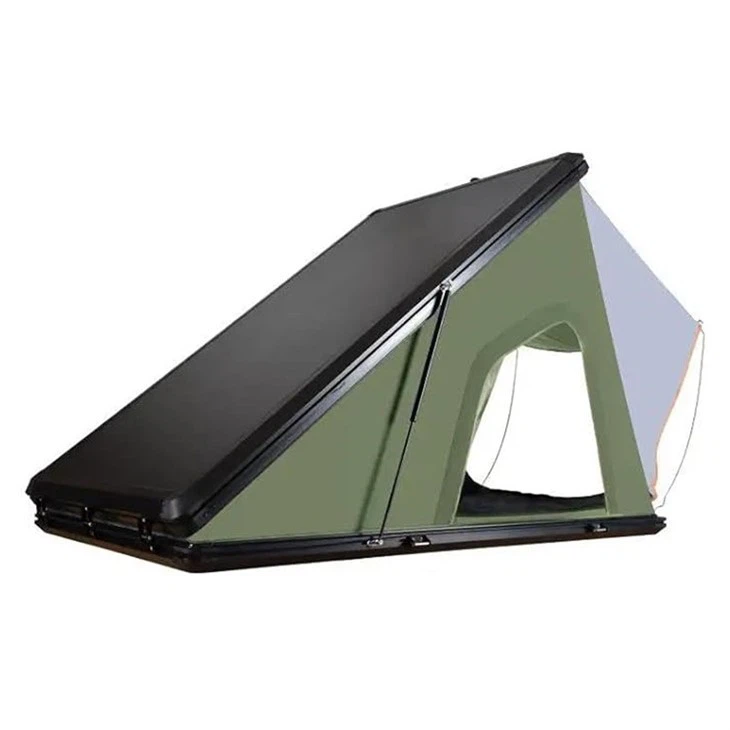
Cleaning a tent after camping is essential, and this is true of car tent cleaning, too, even though your tent doesn’t come into contact with the ground. The good news is that rooftop tent cleaning is as easy as rooftop tent setup.
To clean your Hutch Tent...
After a camping trip, open the tent fully and brush the sleep space with a stiff-bristled brush/vacuum all dirt from inside of the tent.
Use a mild detergent with warm water and a soft to medium brush to clean the fabric as needed.
Rinse fabric with warm or cool water of all detergent prior to drying.
Let it dry under the sun with all windows open. It is important that the tent is completely dry before storage or mildew and mold may occur. This is especially necessary after camping in rain or wet conditions.
Using a small brush, remove dirt from the zippers. Also, use a silicone spray to keep them lubricated.
The tents come with a comfortable mattress with a washable cover, so you won’t need an air mattress or a cover sheet.
Caring for Mold and Mildew
If there is moisture trapped in the canvas tent’s material for a length of time, mold and mildew may start to form. If mold starts to form it can stain the canvas and produce foul odors. This does not make for a pleasant camping experience! In order to clean mold properly, follow these steps:
Open the tent up and brush the affected area with a hard-bristled brush to get loose dirt off.
Rinse the tent off with a solution (1 cup lemon juice, 1 cup sea salt, 1-gallon hot water).
Once the solution has been properly washed out, let the tent air dry for several hours in order to prevent future mold from forming.
IMPORTANT NOTE: Your tent should be completely dry before storing!
If you want to be super cautious and plan on spending a lot of time in the rain, you might consider the following:
After the initial set-up, spray the tent with water and allow it to dry completely. This “seasons” the canvas. The water causes the canvas to swell slightly, closing the needle holes where the canvas was stitched.
The most effective way to do this is to have the tent out in its first good rain. This process is only required once but can be repeated as many times as you would like.
Zipper Care
As zippers are subjugated to the elements (sand, mud, rain, snow) they will need to be cared for in order to maintain a long life. It is hard to keep mud and dust away from the zippers, so the best thing to do is add some lubrication.
Using a lubricant such as Bee's Wax is a great way to protect the longevity of your zipper. Just buy a small block and rub it on the zipper both while open and closed. This should greatly improve the operation of the zipper, and dramatically increase its service life. If mud and dirt does get ground into the zipper, clean it with a damp cloth and then re-lubricate.
Waterproofing
The general cleaning of your tent over time can start to break down the waterproofing qualities of the material. Therefore, after washing the material, we suggest re-applying some waterproofing agents.
And that’s it! Once your tent is cleaned and cared for, you can store your tent for the next time that you want to get out on the road.
Our Factory
We have over 10 production bases in 8 provinces and municipalities across the country, located in Qingdao, Weifang, Zhucheng, Laiwu, Shandong Province, Jinzhong, Shanxi Province, Baoji, Shaanxi Province, Shenyang, Liaoning Province, Jingdezhen, Jiangxi Province, etc. Our products cover electric microcars, electric tricycles, electric freight tricycles, electric commercial vehicles and special-purpose vehicles, etc.


Our Certificate

Ultimate Guide to Car Tent
As one of the leading car tent manufacturers in China, we warmly welcome you to buy high-grade car tent made in China here from our factory. All our products are with high quality and competitive price.
Electric Pick Up, Vehicle Floor Mats, Gasoline Moke