


Introduction: A Game-Changer for China's E-Scooter Sector
China, the world's largest market for electric scooters (e-scooters), has launched sweeping new national standards to regulate safety, emissions, and usability-changes that took effect on the first day of implementation. With over 300 million e-scooters on Chinese roads (accounting for 60% of global micromobility vehicles), the standards aim to address concerns like fire risks from substandard batteries and traffic chaos from unregulated use. For international readers, the move also offers insights into how major markets are shaping the future of urban micromobility-and what it means for owners of older e-scooters.
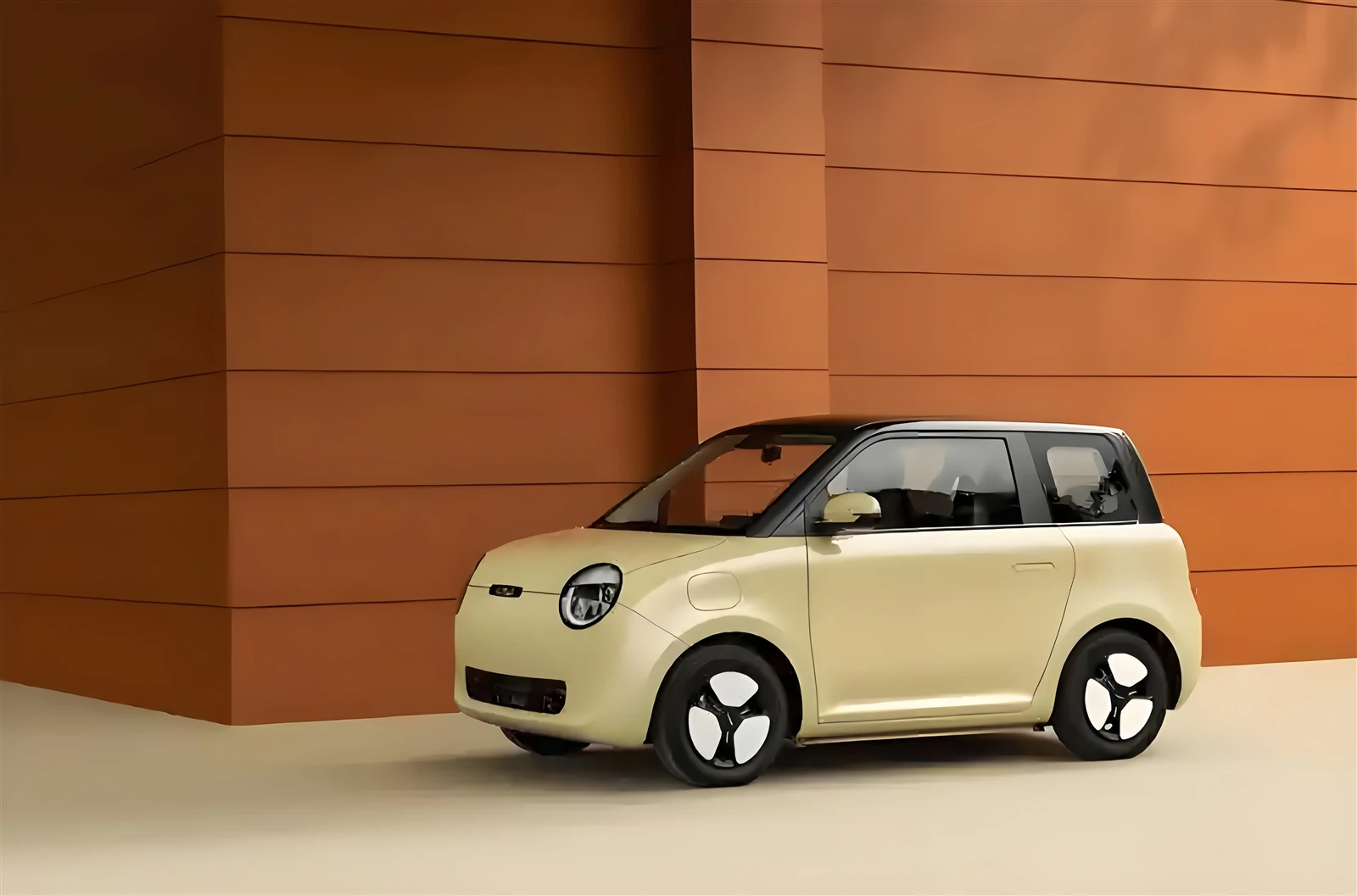
I. Key Details of China's New E-Scooter Standards
The updated national standards (officially GB/T 3565-2024) introduce strict rules across three core areas, marking a departure from the more lenient 2018 version.
1. Safety First: Battery and Structural Rules
Battery regulations: Only certified lithium-ion batteries (with thermal runaway protection) are allowed, and battery capacity is capped at 1.5 kWh to reduce fire risks. Uncertified or modified batteries-long a major cause of e-scooter fires in China-are now banned.
Weight and speed limits: E-scooters must weigh less than 55 kg (including batteries) and have a maximum speed of 25 km/h. This aligns China with EU standards (e.g., EN 15194, which caps speed at 25 km/h) and aims to improve road safety for both riders and pedestrians.
Structural requirements: All e-scooters must include rearview mirrors, turn signals, and a VIN (Vehicle Identification Number) for traceability-features missing from many older models.
2. Emissions and Sustainability Rules
While e-scooters are zero-emission during use, the new standards target their lifecycle impact:
Recycling mandates: Manufacturers must provide battery recycling services, and 85% of battery materials (lithium, cobalt) must be recoverable-mirroring the EU's Battery Regulation.
E-waste management: Sellers are required to take back old e-scooters for proper disposal, reducing the 10 million+ units of e-scooter e-waste generated in China annually.
3. Compliance and Enforcement
Certification process: New e-scooters must pass government tests and display a "compliance mark" before sale. Online platforms (e.g., Alibaba, JD.com) face fines if they sell uncertified models.
Penalties for violations: Riders caught using uncertified e-scooters may face fines of up to 200 RMB ($28), and repeat offenders could have their vehicles impounded.
II. What the Standards Mean for Owners of Older E-Scooters
A top concern for China's 200 million+ existing e-scooter owners is whether their older models remain usable. The answer depends on two factors:
1. Grace Periods for Retrofits
18-month transition: Owners of non-compliant e-scooters have 18 months to upgrade key components (e.g., install certified batteries, add turn signals) to meet the new standards. Local governments are offering subsidies (up to 500 RMB/$70) for retrofits in cities like Shanghai and Guangzhou.
"End-of-life" buybacks: For e-scooters older than 5 years (the typical lifespan), manufacturers and retailers are offering trade-in programs-e.g., Niu Technologies, a leading Chinese e-scooter brand, gives 800-1,500 RMB ($112-$210) for old models when purchasing a new compliant one.
2. Regional Variations in Enforcement
Major cities: Beijing, Shanghai, and Shenzhen are enforcing the standards strictly, with roadside checks and app-based registration systems to track compliant vehicles.
Smaller cities and rural areas: Enforcement is more lenient, with a focus on public education before fines. This reflects China's "gradual implementation" approach to avoid disrupting daily commutes for low-income riders, who rely heavily on e-scooters.
III. Global Implications for Micromobility
China's new standards are not just a domestic policy-they signal a shift in how the world's largest micromobility market regulates e-scooters, with ripple effects for global brands and markets:
1. Alignment with International Rules
By mirroring EU and U.S. safety and sustainability standards, China is making its e-scooter exports more competitive. Brands like Segway-Ninebot (which sells in 100+ countries) can now design one compliant model for both Chinese and global markets, reducing production costs by 15-20%.
2. Lessons for Other Markets
Balancing safety and accessibility: China's retrofit subsidies and grace periods offer a model for countries like India and Southeast Asia, which face similar e-scooter safety issues but fear alienating low-income users.
Sustainability leadership: The battery recycling mandates set a benchmark for emerging markets, where e-scooter e-waste is a growing problem.
3. Impact on Shared Micromobility
China's 100,000+ shared e-scooters (operated by firms like Meituan) must fully comply by 2025. This is pushing operators to adopt swappable batteries and longer-lasting models, which could reduce operational costs by 30%-a trend already being adopted by U.S. firms like Lime.
Conclusion:
A Step Toward Safer, Greener Micromobility
China's new e-scooter standards represent a critical balance between safety, sustainability, and accessibility. For riders, the transition may require short-term adjustments, but the long-term benefits-fewer fires, less e-waste, and safer roads-are clear. For the global micromobility industry, China's approach offers a blueprint for regulating rapid growth without sacrificing the affordability that makes e-scooters a lifeline for millions. As Dr. Li Jia, a micromobility expert at Tsinghua University, notes: "These standards don't just make e-scooters safer-they make them a more sustainable part of China's urban future."