


Guide direction
Over the last decade, the electric tricycle has become one of the most versatile and cost-effective solutions for both personal and commercial transportation. As more people and businesses search for sustainable alternatives to fuel-powered vehicles, the electric tricycle has earned a strong reputation for affordability, durability, and eco-friendliness. However, with so many designs and specifications available, understanding the essentials is critical for making the right choice. This guide walks you through everything from the basics to advanced knowledge, helping you move from beginner to expert.
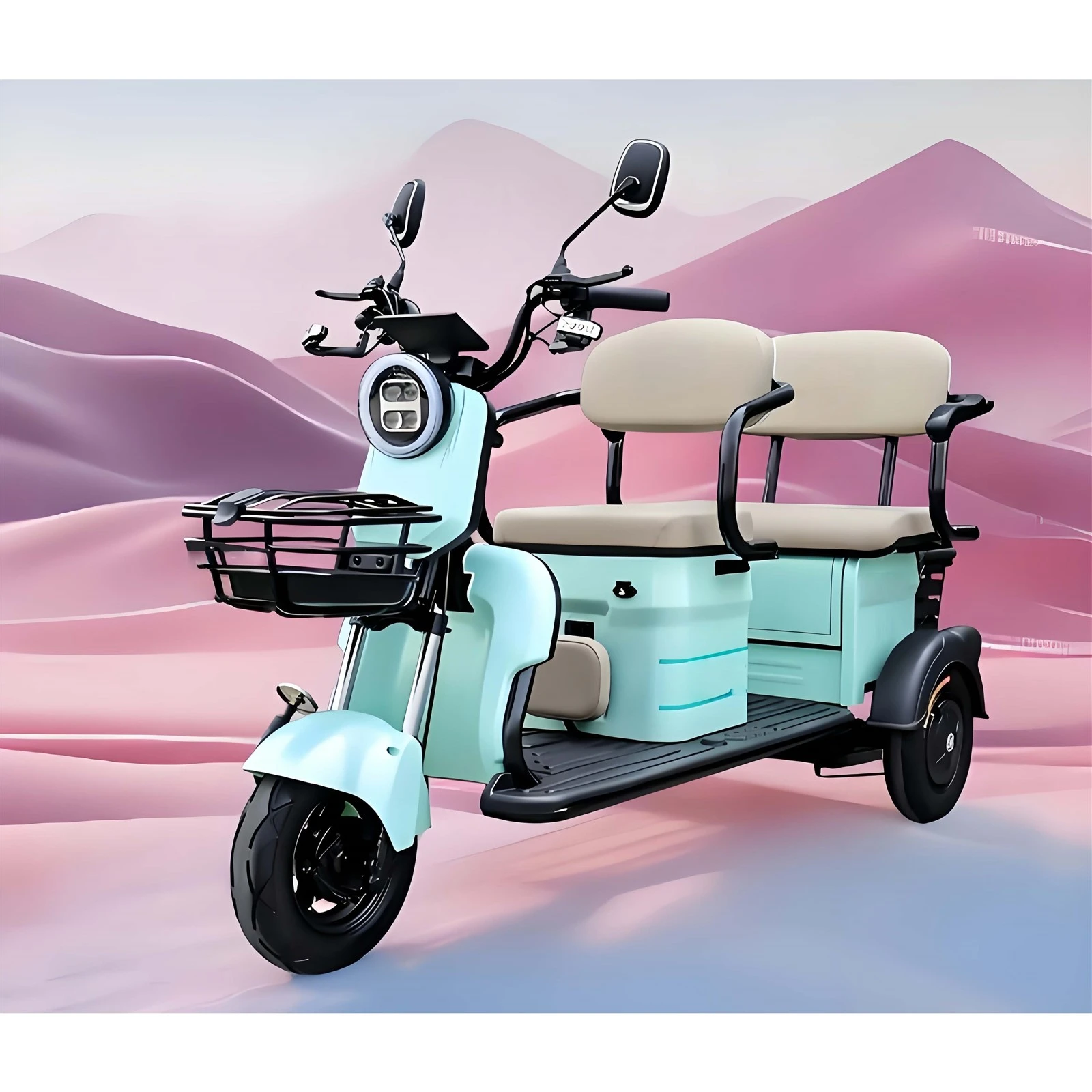
1. What Is an Electric Tricycle?
An electric tricycle is a three-wheeled vehicle powered by a rechargeable battery system. Unlike traditional motorbikes or bicycles, it offers enhanced stability and a higher load capacity. Electric tricycles are widely used for both passenger transport and cargo delivery, making them an increasingly popular choice in urban, rural, and industrial markets.
2. Types of Electric Tricycles
There are multiple types of electric tricycles designed for different applications. A cargo electric tricycle is built with a reinforced rear cargo bed, making it ideal for goods transport in agriculture, retail, or small logistics operations. On the other hand, an enclosed passenger electric tricycle focuses on comfort and safety, providing a covered cabin for riders that is well-suited for city commuting or tourism services.
3. Key Components and Performance
Understanding the technical aspects of tricycles is important for advanced buyers. Most modern electric tricycle models are powered by motors ranging from 800W to 1500W and supported by battery systems between 48V and 72V. This configuration typically delivers a load capacity of 300–600 kilograms and a driving range of 50–100 kilometers per charge.
For businesses requiring more robust solutions, upgraded versions with larger batteries and stronger chassis are available, ensuring efficiency and stability even under heavy usage.
4. Cost and Long-Term Savings
One of the most significant benefits of an electric tricycle is its cost efficiency. Compared with conventional vehicles, it has much lower operational expenses. Fuel costs are eliminated, and maintenance is simpler because fewer mechanical components require servicing. For small businesses or wholesalers, wholesale electric tricycles are particularly attractive because they lower upfront costs while still ensuring reliable quality.
When considering overall value, it is essential to calculate not just the purchase price but also long-term operating costs. Many users find that electric tricycles provide a faster return on investment compared to fuel-based vehicles.
5. Safety and Comfort
Safety is a critical factor when evaluating different models. Cargo versions are practical and affordable but may lack full protection for the driver. In contrast, enclosed passenger models offer weather resistance, safety belts, and superior braking systems, making them better suited for urban environments with heavy traffic.
Riders should also consider ergonomics, seat design, and handling comfort, especially if the tricycle will be used for long hours of operation.
6. Market Trends and Future Outlook
Global demand for eco-friendly vehicles is fueling the rapid adoption of electric tricycles. Many governments are supporting this transition with subsidies, tax incentives, and environmental regulations. These factors make the tricycle an increasingly valuable option for logistics, agriculture, and passenger transport.
Looking ahead, battery technology will continue to improve, offering greater ranges and shorter charging times. At the same time, customization will become more common, allowing businesses to tailor their vehicles for branding, cargo needs, or passenger comfort.
7. Choosing the Right Model
When selecting a tricycle, consider your operational environment, cargo needs, and budget. Cargo models are best for deliveries, farming, or wholesale logistics, while enclosed passenger versions are ideal for comfort, safety, and professional services. By weighing these factors, businesses and individuals can make decisions that meet both present and future needs.
Conclusion
From its basic structure to advanced technical specifications, the electric tricycle has proven to be a highly adaptable vehicle for modern transportation. Whether you are a beginner seeking an affordable entry point or an experienced business owner looking to expand your fleet, there is a model tailored to your requirements. With the right choice, you gain not only cost savings and efficiency but also a future-ready solution aligned with global sustainability goals.