


The Environmental Benefits of Electric Tuk Tuks
As urban transportation needs evolve, electric tricycles-commonly known as tuk tuks-have emerged as a sustainable and eco-friendly transportation solution. These vehicles are powered by electricity, producing zero emissions and low noise, aligning with global environmental policies and city regulations.
Compared to traditional fuel-powered three-wheelers, electric tuk tuks help significantly reduce air pollution. According to the International Energy Agency (IEA), widespread adoption of lithium battery electric tricycles in cities can cut up to 1.2 tons of CO₂ emissions per vehicle per year.
Furthermore, governments in Asia, Europe, and Latin America are incentivizing electric mobility through subsidies, tax reductions, and low-emission zones. These policies make electric tuk tuks a smart choice for both businesses and city commuters who prioritize sustainability.
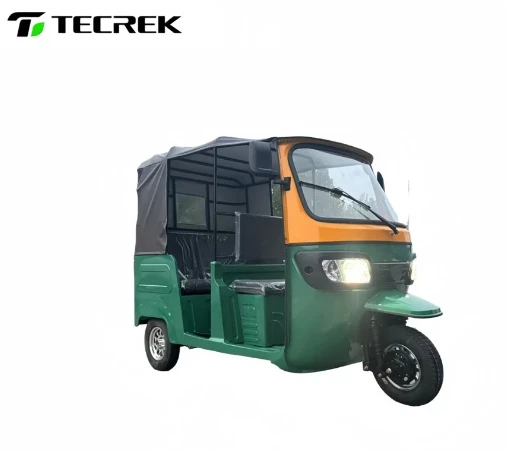
Versatile Applications of Electric Tuk Tuks in Urban Mobility
One of the major advantages of electric tricycles is their versatility. Beyond personal transportation, tuk tuks are widely used for:
Urban logistics and last-mile delivery
Small cargo transport
Tourist transport services in urban and scenic areas
Their compact and agile design allows electric tuk tuks to navigate narrow streets and congested traffic efficiently. This flexibility increases operational efficiency while reducing delivery times, making them ideal for commercial and tourism sectors.
Advanced Electric Technology and Lithium Battery Performance
Modern electric tuk tuks are equipped with lithium battery systems that ensure stable and long-lasting performance. Key benefits include:
Reliable daily range suitable for urban operations
Fast charging and minimal downtime
Long battery lifespan, often exceeding 5 years
Operational costs for a high-quality lithium battery electric tricycle can be 30–50% lower than traditional gasoline-powered three-wheelers, making them a cost-effective solution for businesses.
Additionally, lithium battery technology is safer and more environmentally friendly than older lead-acid batteries, offering better energy density and longer life cycles.
Internal link suggestion: Link to your lithium battery electric tricycle product page.
Global Market Trends and Growth Opportunities
The electric tuk tuk market is experiencing rapid growth worldwide, driven by urbanization, environmental regulations, and increasing demand for efficient transportation solutions. Some key market insights include:
Asia-Pacific dominance: The region accounts for over 60% of the global electric tricycle market, led by India, Thailand, and China.
Emerging markets: Southeast Asia, Africa, and Latin America show strong demand for affordable, electric last-mile delivery solutions.
Policy support: Incentives and subsidies accelerate adoption, making electric tuk tuks a profitable investment for wholesale buyers and fleet operators.
By 2028, the global electric tricycle market is projected to reach tens of billions of dollars, highlighting immense growth potential for manufacturers, distributors, and city operators.
How to Choose High-Quality Electric Tuk Tuks
When sourcing or wholesaling electric tuk tuks, consider the following key factors:
Battery type and range: Ensure the vehicle uses high-quality lithium batteries with sufficient range for daily operations.
Load capacity and vehicle stability: Check the chassis design and suspension system for safety and reliability.
After-sales support and spare parts availability: Choose suppliers that provide long-term maintenance and replacement parts.
Safety certifications and environmental standards: Compliance with local and international regulations guarantees operational safety and market acceptance.
Choosing a reliable electric tricycle supplier not only ensures better performance but also strengthens your reputation in the logistics or tourism industry.
Future Outlook for Electric Tuk Tuks
Electric tuk tuks are positioned to become essential urban mobility solutions, particularly in densely populated cities and eco-conscious communities. Their environmental benefits, low operating costs, and high adaptability make them indispensable for:
Urban delivery fleets
Ride-sharing services
Tourist transport and sightseeing
Investing in lithium battery electric tricycles today can secure long-term benefits as cities increasingly transition toward electric and green transportation.
Conclusion
The global electric tricycle market is on an upward trajectory, with tuk tuks emerging as a versatile, eco-friendly, and cost-effective solution for urban transportation and logistics.
For wholesale buyers, fleet operators, and investors, electric tuk tuks represent not just a product but an opportunity to participate in the growing green mobility trend. By selecting high-quality vehicles with reliable lithium batteries, businesses can reduce costs, improve efficiency, and contribute to sustainable city development.