


In recent years, the electric tricycle has become an increasingly popular choice for businesses and individuals looking for efficient, eco-friendly transportation. However, it is important to understand that not all models serve the same purpose. The two most common categories are cargo electric tricycles and passenger electric tricycles. While they may appear similar at first glance, they are designed with different functions, performance priorities, and customer needs in mind.
Design and Structure
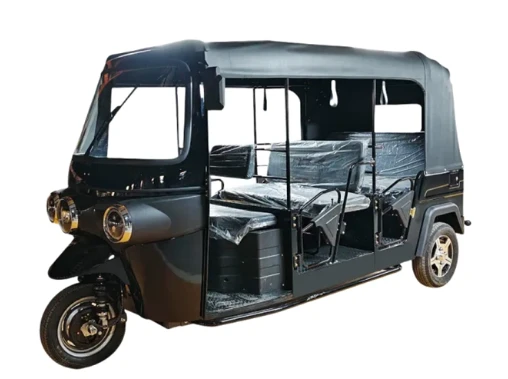
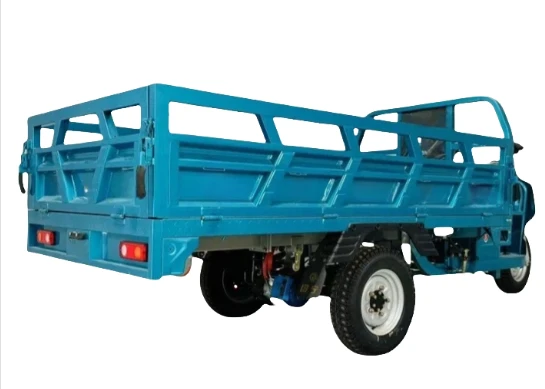
The first major difference lies in the design. A cargo-focused electric tricycle usually has a reinforced frame, larger rear loading space, and stronger suspension to handle heavy goods. It is engineered to transport materials such as agricultural produce, construction supplies, or retail products. On the other hand, a passenger-oriented electric tricycle is built for comfort. These vehicles often feature cushioned seating, weather protection, and stability systems that prioritize safety and convenience for riders.
Performance and Capacity
Performance requirements vary significantly between the two types. Cargo electric tricycles are generally equipped with higher torque motors and heavy-duty batteries that allow them to carry loads ranging from 300 to 800 kilograms, depending on the model. Their speed is usually moderate, focusing on stability rather than high velocity. Passenger electric tricycles, in contrast, are designed for smoother acceleration and higher top speeds within urban environments. Their carrying capacity is limited to the number of seats-typically between two and six passengers-but the ride quality and energy efficiency are given more emphasis.
Usage Scenarios
Another important factor is the intended usage scenario. A business owner running wholesale deliveries or agricultural transport will benefit from electric tricycles for cargo, as they significantly reduce fuel costs and offer more flexibility on narrow rural roads. Meanwhile, city-based entrepreneurs, such as those operating taxi services or tourist rides, often prefer passenger-focused electric tricycles because they provide reliable and affordable mobility in congested areas. Both types contribute to reducing urban emissions, but the end-user experience differs based on function.
Cost Considerations
From a financial perspective, the total cost of ownership also varies. Cargo models generally require stronger materials and larger batteries, which may increase the initial price. However, their durability ensures long-term value for businesses that depend on heavy transport. Passenger models may be slightly less expensive initially but can bring steady income through service operations. For wholesale buyers, both categories present attractive options depending on target markets, which is why many dealers choose to stock a mix of models.
Safety and Regulations
Regulations also play a role in shaping these products. In many regions, passenger units must comply with stricter safety standards, including seatbelts, enclosed cabins, and braking systems. Cargo models, while still regulated, have fewer requirements focused on passenger safety and more emphasis on stability and load management. Understanding these regulatory frameworks helps buyers make informed choices and avoid compliance issues.
Our Company's Professional Advantages
ShanDong TaiRui Automobile & Electronics Co.,Ltd. was established in 2003. It is a customized automotive company that integrates the research and development, production, sales and service of new energy vehicles, commercial vehicles, special vehicles, body panels and lightweight composite materials.Shandong TaiRui Company is located in the coastal economic development zone in the southeast of Shandong Peninsula - Zhucheng City. It has 4 R&D centers and 10 production bases, distributed in 8 provinces and cities. It possesses various vehicle modification and design manufacturing capabilities, with an annual production capacity of over 20,000 units.
Conclusion
The distinction between cargo and passenger electric tricycles is not just about appearance-it reflects completely different engineering priorities and business applications. By recognizing these differences, wholesalers and end users can choose the right model to suit their market demands. Whether for heavy logistics or comfortable urban mobility, the modern electric tricycles available today demonstrate how versatile this industry has become. For companies seeking efficiency, sustainability, and reliability, selecting the appropriate type of wholesale electric tricycles is a key step toward long-term success.