


Introduction: A Paradigm Shift in Mobility
The global new energy vehicle (NEV) industry is no longer just about solving "range anxiety" or cutting emissions-it's evolving into a core part of smart, connected lifestyles. According to the International Energy Agency (IEA), NEVs will account for 60% of global new car sales by 2030, but their appeal now extends far beyond eco-friendliness. From battery breakthroughs that eliminate charging worries to in-vehicle tech that turns cars into "mobile living rooms," NEVs are undergoing a holistic transformation that redefines what a vehicle can be.
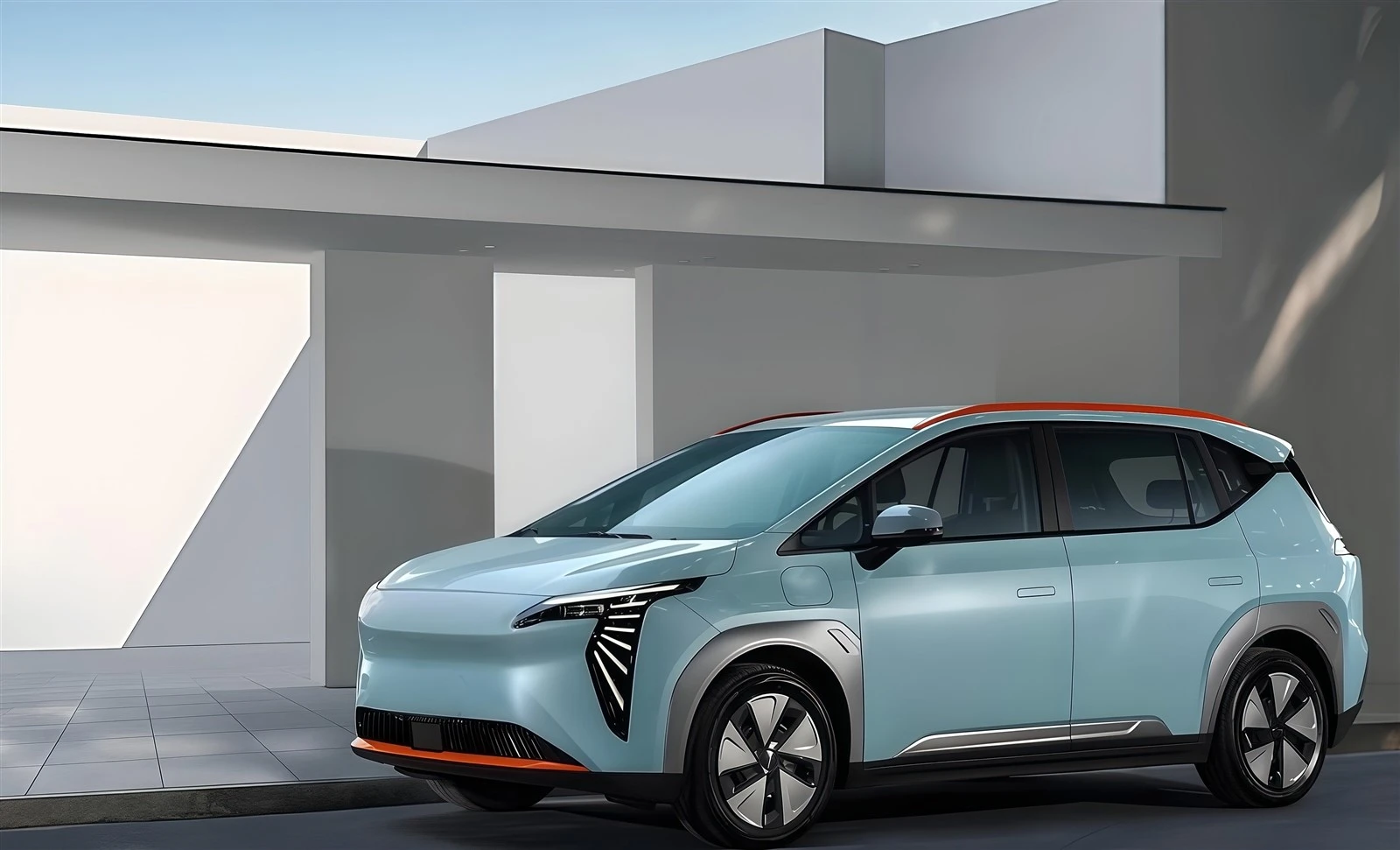
I. Conquering Energy Anxiety: The Foundation of Mass Adoption
For years, limited range and slow charging held NEVs back. Today, three technological leaps are making "energy anxiety" a thing of the past.
1. Next-Gen Batteries: Longer Range, Faster Charging
Solid-state batteries (SSBs)-the "holy grail" of EV tech-are moving from labs to production. By 2030, SSBs will deliver 500Wh/kg energy density (vs. 300Wh/kg for current lithium-ion batteries), enabling 800+ km ranges for mid-size BEVs (e.g., Tesla's upcoming Cybertruck SSB variant). Even today, fast-charging networks are closing gaps: Europe will have 700,000 public chargers by 2025, with 25% being 350kW+ fast chargers that add 200 km of range in 10 minutes.
2. Energy Diversification: Beyond Grid Charging
NEVs are no longer dependent on power outlets. Solar-integrated roofs (e.g., Toyota's bZ4X Solar Edition) generate 15-20 km of daily range from sunlight, while vehicle-to-grid (V2G) tech lets owners sell excess energy back to the grid. In California, V2G users earn an average of $3,000 annually, turning cars into "energy assets."
3. Battery Recycling: Closing the Sustainability Loop
By 2027, the EU's new battery regulations will mandate 95% recycling of lithium, nickel, and cobalt from used NEV batteries. Companies like Redwood Materials (backed by Tesla) already recover 98% of these materials, cutting production emissions by 40% and reducing reliance on mining.
II. Evolving into Smart Living Spaces: NEVs as Lifestyle Hubs
Modern NEVs are no longer just "transportation tools"-they're extensions of homes and offices, powered by connectivity and AI.
1. Autonomous Driving: Freeing Up Time
Level 4 (L4) autonomous tech is advancing faster than expected. Mercedes-Benz's DRIVE PILOT, already approved in Germany and Nevada, lets drivers cede full control on highways, turning commute time into work or leisure time. By 2030, IEA predicts 30% of NEVs will have L4 capabilities, making "hands-free living" a daily reality.
2. Connected Ecosystems: Seamless Integration with Daily Life
NEVs now sync with smart homes and mobile devices. BMW's iDrive 9 system connects to Amazon Alexa or Google Home, allowing drivers to pre-cool their homes while en route. Tesla's Over-the-Air (OTA) updates add new features monthly-from improved navigation to in-car gaming-keeping vehicles "fresh" for years.
3. Health and Comfort: Prioritizing Well-Being
In-vehicle health monitoring is becoming standard. Volvo's EX90 uses radar and cameras to detect driver fatigue or heart rate irregularities, while air purification systems (e.g., NIO's HEPA 10 filter) remove 99.97% of pollutants-critical for urban commuters. Luxury NEVs like the Lucid Air even offer massaging seats and ambient lighting that mimics natural daylight, reducing travel stress.
III. Toward a Connected Ecosystem: NEVs as Part of Smart Cities
The next phase of NEV evolution will see them integrate with broader urban infrastructure, creating more sustainable, efficient communities.
1. Smart Charging Networks: Grid Balance
AI-powered charging systems (e.g., Volkswagen's Elli Network) automatically adjust charging times to avoid grid peaks, reducing energy costs by 20% for users and stabilizing power supplies. In Amsterdam, "smart charging districts" already use NEVs to store excess renewable energy, cutting reliance on fossil fuels.
2. Data-Driven Urban Planning
NEVs generate real-time data on traffic, parking, and air quality. Cities like Copenhagen use this data to optimize bike lanes and public transit routes, reducing congestion by 15%. By 2035, the EU plans to mandate all NEVs share anonymized data to build "adaptive cities."
3. Circular Economy Goals
Automakers are designing NEVs for longevity and recyclability. Volvo's "Circle of Life" program ensures 85% of a vehicle's materials are reusable by 2030, while Renault's Mobilize brand offers battery leasing and vehicle subscriptions-reducing upfront costs and encouraging recycling.
Conclusion: NEVs as Catalysts for a Smarter Future
The NEV revolution is no longer just about cars-it's about reimagining how we live, work, and interact with our cities. From eliminating energy worries to becoming personalized smart spaces, NEVs are proving they're more than a "greener alternative" to gasoline cars. As IEA Director Fatih Birol puts it: "NEVs are the backbone of the future energy system-connecting transportation, electricity, and daily life in ways we never imagined." For consumers and cities alike, this evolution promises a more convenient, sustainable, and connected world.