


In cities around the world, last-mile delivery is undergoing a quiet but profound transformation. As congestion intensifies, fuel costs fluctuate, and environmental regulations tighten, electric tricycles are rapidly emerging as a practical alternative to traditional small trucks for urban logistics.
From express parcels to food distribution and retail replenishment, electric three-wheel vehicles are increasingly favored by logistics operators seeking lower costs, higher efficiency, and better urban adaptability.
The Urban Delivery Problem Small Trucks Can No Longer Solve
For decades, small diesel and gasoline trucks dominated last-mile delivery. However, modern cities present challenges that these vehicles were never designed to handle:
Narrow streets and dense residential zones
Frequent stop-and-go traffic
Rising fuel and maintenance costs
Stricter emissions and noise regulations
In many metropolitan areas, small trucks now face restricted access zones, higher parking penalties, and reduced delivery efficiency. These constraints have forced logistics companies to rethink vehicle selection for short-distance transport.
Electric Tricycles: Designed for the Last Mile
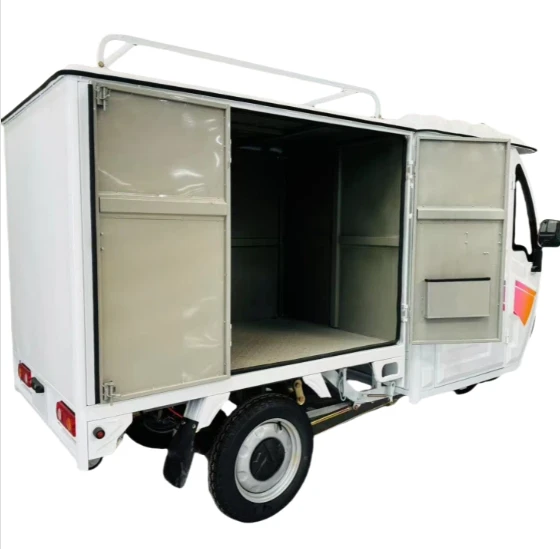
Unlike conventional trucks, electric cargo tricycles are purpose-built for urban logistics. Their compact footprint, three-wheel stability, and electric powertrain directly address the pain points of last-mile delivery.
Key advantages include:
Excellent maneuverability in congested city streets
Lower operating costs due to electricity replacing fuel
Simpler maintenance with fewer mechanical components
Reduced emissions and noise, meeting urban policy requirements
For routes under 50–100 km per day, electric tricycles often outperform small trucks in both speed and cost efficiency.
Cost Efficiency: The Core Reason for the Shift
One of the strongest drivers behind this transition is economics. Compared with small trucks, electric tricycles offer measurable savings:
Energy cost per kilometer is significantly lower
Fewer consumable parts reduce maintenance expenses
No engine oil, gearbox complexity, or exhaust system
Lower acquisition cost for fleet expansion
For logistics companies operating large fleets, these savings scale quickly, directly improving profit margins in highly competitive delivery markets.
Payload Meets Practical Demand
Modern heavy duty electric cargo tricycles are no longer limited to light parcels. With reinforced chassis structures and optimized cargo boxes, many models now support 600–800 kg payloads, sufficient for most urban delivery tasks.
Enclosed cargo designs further enhance practicality by protecting goods from weather, dust, and temperature fluctuations-making electric tricycles suitable for express delivery, food logistics, and retail supply chains.
Infrastructure and Policy Are Accelerating Adoption
Cities are not only tolerating electric tricycles-they are actively encouraging them. Preferential policies such as:
Easier registration and licensing
Access to low-emission or restricted zones
Reduced parking limitations
Incentives for electric commercial vehicles
These measures make electric tricycles an increasingly strategic choice for last-mile operators, especially in Asia, Europe, and emerging urban markets.
Manufacturing Quality Matters More Than Ever
As adoption grows, buyers are becoming more selective. Reliability, structural safety, and manufacturing standards are now key purchasing factors.
Leading manufacturers with automotive-grade production processes-including stamping, robotic welding, painting, and full vehicle assembly-are setting new benchmarks for electric tricycle durability and consistency. Strong R&D capability, modular design, and customization options further support large-scale fleet deployment.
A Structural Shift, Not a Temporary Trend
The replacement of small trucks by electric tricycles is not a short-term experiment-it reflects a deeper restructuring of urban logistics. As cities continue to prioritize efficiency, sustainability, and livability, electric three-wheel delivery vehicles are becoming an essential component of last-mile transport systems.
For logistics providers, the question is no longer whether to adopt electric tricycles, but how quickly they can integrate them into their fleets to stay competitive.
Final Thought
In the evolving landscape of urban delivery, electric tricycles represent a rare combination of economic logic, operational efficiency, and regulatory alignment. As technology and manufacturing quality continue to improve, their role in replacing small trucks in last-mile delivery will only become more pronounced.