


Key Considerations When Purchasing a Sightseeing Vehicle
When it comes to purchasing a sightseeing vehicle, several factors demand attention. First, clarify the intended use: a 6-seater model may suffice for small parks, while a 20-seater electric sightseeing vehicle is better for large resorts. Battery capacity is crucial for electric types-opt for lithium-ion batteries if daily mileage exceeds 50km, as they offer longer life and faster charging. Check local regulations too; some regions require special permits for operating certain sightseeing vehicles, so ensure the model meets safety standards set by authorities.
How to Operate a Sightseeing Vehicle Safely
Operating a sightseeing vehicle is relatively simple, but following guidelines is vital. Before driving, inspect brakes, tires, and lights. Most models have a basic control panel with a forward/reverse switch and a speed limiter-never disable the limiter, as sightseeing vehicles are designed to max out at 25km/h for safety. Always keep a safe distance from pedestrians and avoid sharp turns at high speeds. For those new to driving, many suppliers offer training sessions on handling these vehicles.
Common Usage Scenarios of Sightseeing Vehicles
The usage scenarios of sightseeing vehicles are diverse. In national parks, they shuttle visitors between trailheads and viewpoints without disturbing wildlife. Theme parks rely on themed sightseeing vehicles to transport guests between attractions, reducing fatigue during long walks. Retirement communities often use compact sightseeing vehicles to help residents move around comfortably. Even airports and large campuses employ them for short-distance transportation, making daily commutes more efficient.
Maintenance Tips for Sightseeing Vehicles
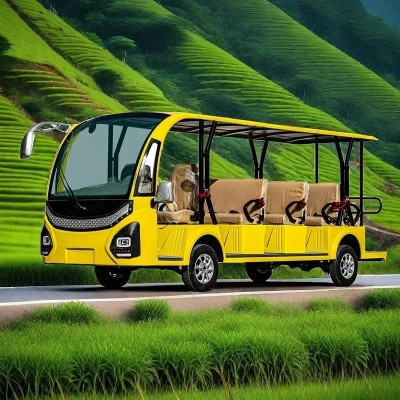
Proper maintenance is essential to keep sightseeing vehicles in good working condition. For electric models, regular battery checks are a must. It's recommended to charge the battery after each use and avoid overcharging, as this can shorten its lifespan. The tires should be inspected weekly for proper inflation and signs of wear, and the brakes need to be tested monthly to ensure responsiveness. Additionally, cleaning the vehicle regularly, especially the undercarriage, can prevent rust and corrosion, especially if it's frequently used in humid or coastal areas. For any mechanical issues, it's best to consult professional technicians authorized by the vehicle manufacturer.
Future Trends in Sightseeing Vehicle Technology
The technology behind sightseeing vehicles is constantly evolving. One notable trend is the integration of smart systems, such as GPS navigation and real-time monitoring, which allows operators to track the vehicle's location and performance remotely. Some advanced models now come with autonomous driving features, enabling them to follow pre-set routes without a driver, which can be particularly useful in large, well-defined areas like theme parks. Another trend is the use of more sustainable materials in manufacturing, such as recycled plastics for body parts and eco-friendly upholstery. As the world focuses more on reducing carbon emissions, we can expect to see even more innovations in battery technology, making sightseeing vehicles even more energy-efficient and environmentally friendly.
Tips for Choosing a Reliable Supplier
When looking to buy a sightseeing vehicle, compare suppliers based on after-sales service. A reliable manufacturer should provide a warranty of at least 12 months and have a network of maintenance centers. Consider customization options too-some offer weatherproof enclosures for rainy areas or solar panels to extend battery life. Used sightseeing vehicles can be a cost-effective choice, but ensure they've undergone thorough inspections to avoid hidden issues.
In summary, sightseeing vehicles blend functionality and safety to enhance mobility in various settings. By knowing how to choose, operate, and maintain them, you can make the most of these versatile vehicles, whether for business or leisure.