


Introduction
The rise of electric vehicles (EVs) and the gradual popularization of renewable energy seem to have injected a powerful catalyst into the new energy battery industry, thereby driving this sector to embrace unprecedented development opportunities. Behind this development wave lies the continuous iteration of various battery technologies serving as the core engine. From lithium-ion batteries, solid-state batteries to lithium iron phosphate (LFP) batteries solutions, various technological innovations are like skilled artisans reshaping the puzzle, constantly dismantling and reconstructing the traditional models of energy storage, transportation, and usage. Even minor technological breakthroughs may cause significant waves in the industry.
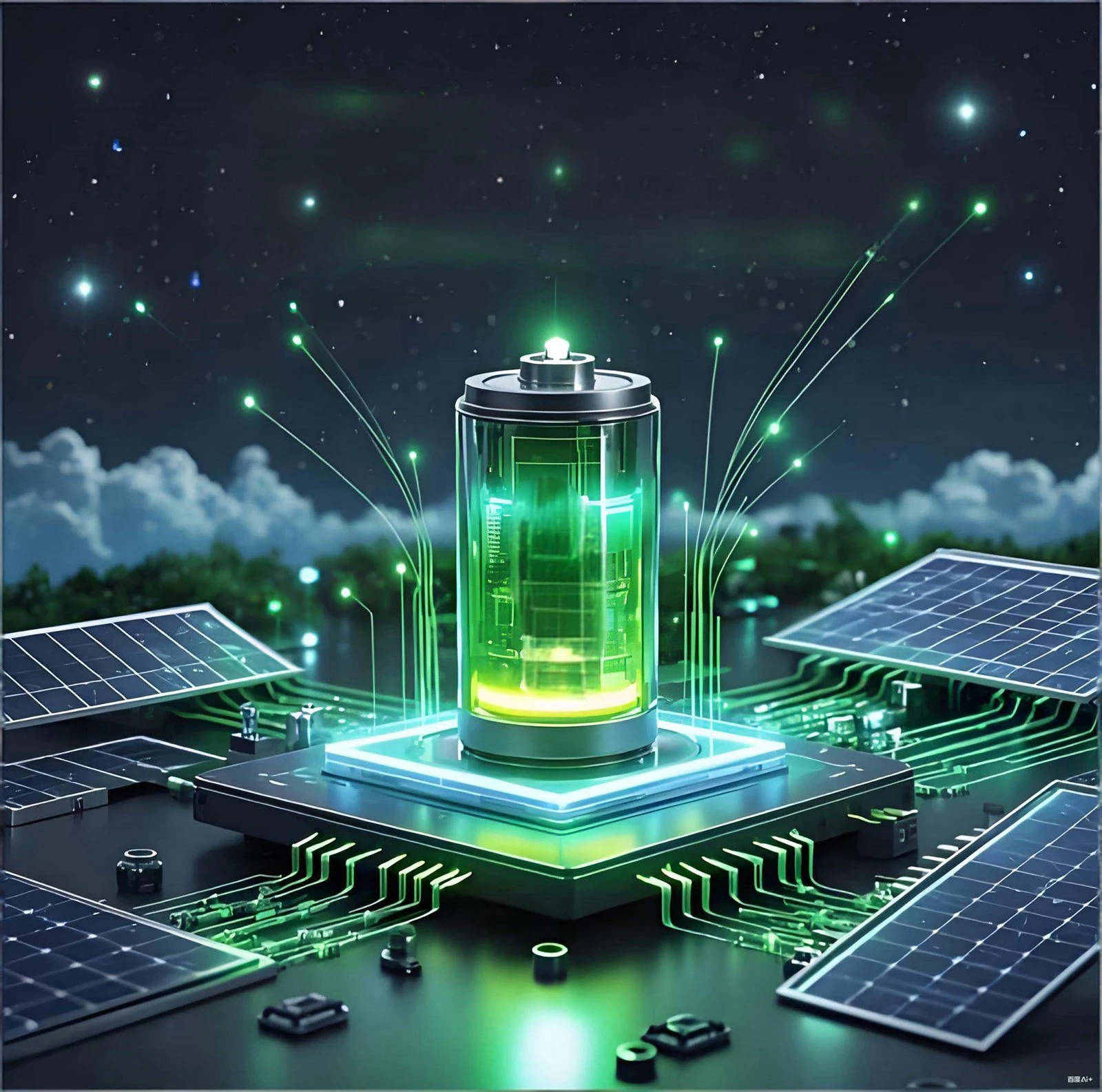
The battery is the lifeblood of electric vehicles
Although traditional lithium-ion batteries have long been like a stable foundation, firmly occupying the mainstream position in the new energy battery market, the recent breakthroughs in solid-state batteries technology have like a ray of dawn, bringing new possibilities to the industry's development. These batteries not only achieve higher energy density, but also have significantly improved safety performance and longer lifespan compared to the former; however, their commercial production path is not smooth, still facing high costs, complex processes, and many other challenges. Therefore, leading automakers and battery manufacturers are investing heavily in the research and development of solid-state batteries, hoping to make high-performance EV batteries the mainstream in the market within the next few years. However, the realization of this goal may still require crossing multiple technical and industrial barriers.
Meanwhile, LFP batteries have gradually gained popularity like quietly growing vines; this characteristic also enables them to break through the limitations of the passenger vehicle market and be increasingly applied in electric buses, commercial EV fleets, and large-scale energy storage systems (ESS). The popularity of these batteries not only builds a solid energy bridge for sustainable urban transportation but also helps reduce reliance on fossil fuels to a certain extent, even though their energy density is slightly inferior to ternary lithium batteries, they still demonstrate irreplaceable advantages in specific scenarios.
Battery technology innovation
In addition to applications in transportation, renewable energy storage solutions centered around advanced batteries are also playing a role in stabilizing the power grid worldwide, like installing precise "pressure stabilizers" for the fluctuating power grid. Solar and wind power plants are using battery energy storage technology to store excess electricity during peak production periods and release it during peak demand times; this process not only ensures the stability of the power grid but also significantly improves energy utilization efficiency, even in remote areas of the grid, it can achieve more stable power supply.
Summary
Driven by the demand for electric vehicles, the need for green energy storage, and scientific breakthroughs in battery materials, industry predictions suggest that the global market for new energy batteries may exceed 200 billion US dollars by 2030. However, behind this optimistic prediction lie many challenges that need to be addressed, such as the imperfect sustainable recycling system, supply chain optimization problems, and the procurement difficulties of rare raw materials. Nevertheless, the pace of technological innovation is still accelerating, like a rolling wheel, pushing the industry towards a more mature direction of development. As green technologies and sustainable energy have become the core framework of modern infrastructure, new energy batteries are no longer merely a source of power; they are more like a "golden key" unlocking the future of low-carbon electrification. They are the key support for achieving this future. Those enterprises that focus on next-generation EV batteries, energy storage solutions, and renewable energy integration are also expected to take the lead in this clean energy revolution and become the main force in promoting the early arrival of the low-carbon future. During this process, the technological research and development capabilities and industrial integration capabilities of enterprises are like the rudder in navigation, determining whether they can steadily advance in the industry wave.