


Key Differences Explained
As urban mobility and short-distance transportation continue to grow worldwide, electric tricycles have become a popular choice for personal use, commercial transport, and last-mile delivery. Among various models, the enclosed electric tricycle and semi enclosed electric tricycle are two of the most common options in global markets.
While they may look similar at first glance, their structure, comfort level, protection capability, and usage scenarios are completely different. Understanding the difference between enclosed and semi enclosed electric tricycles helps distributors and customers pick the right vehicle for their needs.
1. Structural Differences (The Most Obvious Distinction)
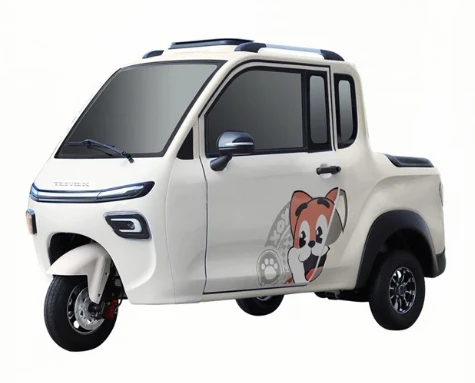
Enclosed Electric Tricycle
Fully sealed cabin
Glass windshield, side windows, and doors
Better protection from rain, wind, dust
Often equipped with wipers, ventilation, or heater
Provides car-like riding experience
This type is ideal for regions with cold, rainy, or windy climates.
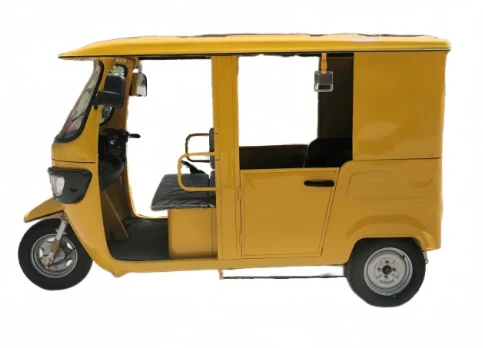
Semi Enclosed Electric Tricycle
Partially covered structure
Usually includes a windshield and roof but no fully sealed doors
Side area remains open or half-open
Lighter and simpler design
This model is widely used in warm climates and for daily work tasks.
2. Comfort Level Comparison
Enclosed Electric Tricycle
Higher comfort during long rides
Better noise reduction
Interior cabin can include fans or heaters
Suitable for elderly riders or family use
Semi Enclosed Electric Tricycle
More ventilation
Simple seating design
Suitable for short distances and frequent stops
Lightweight for easy operation
If comfort and weather protection are priorities, the enclosed model wins easily.
3. Protection and Weather Adaptability
| Feature | Enclosed Electric Tricycle | Semi Enclosed Electric Tricycle |
|---|---|---|
| Rain Protection | Excellent | Limited |
| Wind Protection | Excellent | Medium |
| Dust Protection | Excellent | Low |
| Cold Weather Use | Very Good | Poor–Medium |
| Safety Feeling | High | Medium |
The enclosed electric tricycle behaves like a mini EV, offering full protection, while the semi-enclosed version focuses on practicality and ventilation.
4. Intended Usage Scenarios
Enclosed Electric Tricycle is ideal for:
Cold, rainy, or windy regions
Elderly mobility
Community and town commuting
Family short-distance travel
Passenger transport business
Daily use in urban and rural areas
Semi Enclosed Electric Tricycle is ideal for:
Delivery services and courier operations
Farm work and rural transportation
Hot or mild climate regions
Budget-sensitive customers
Daily loading and short commercial tasks
Each model fits a distinct user group depending on climate and cost considerations.
5. Price and Maintenance Differences
Enclosed models are more expensive because of hard doors, glass, sealed body, and improved interior comfort.
Semi enclosed models are more affordable, easier to maintain, and have fewer parts that require servicing.
Dealers often sell both models to cover the full range of user needs.
6. Which One Should You Choose?
Choose an Enclosed Electric Tricycle if you want:
✔ Better comfort
✔ All-weather protection
✔ A safer, more stable riding experience
✔ A vehicle suitable for elderly or passenger use
Choose a Semi Enclosed Electric Tricycle if you want:
✔ Lower cost
✔ Simple operation
✔ Light weight and easy maintenance
✔ A practical vehicle for daily work or delivery
Conclusion
The difference between enclosed and semi enclosed electric tricycles lies mainly in structure, comfort, protection, and use cases. Both models play an important role in today's electric mobility market. Dealers and buyers should choose based on local climate, user needs, and budget.