


Technical Specifications: Compact Design, Smart Performance
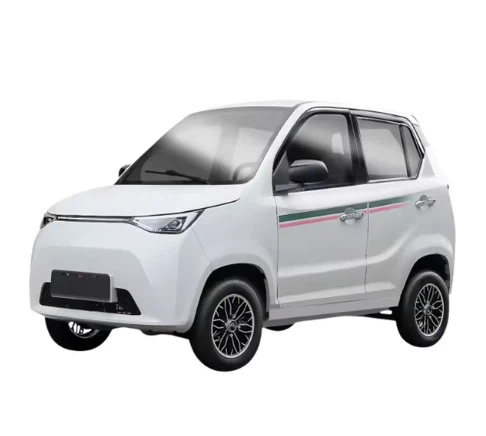
Electric low-speed four-wheelers typically feature a top speed of under 45 mph (70 km/h) and a range of 50-90 miles (80-150 km) on a single charge, making them ideal for urban errands and suburban trips. Measuring 8-11 feet (2.5-3.5 meters) in length, these micro vehicles accommodate 2-4 passengers and are powered by lead-acid or lithium-ion batteries. A standard 220V household outlet can fully charge the battery in 6-8 hours, with some lithium-powered models supporting fast charging for added convenience.
Unlike high-speed EVs, most low-speed four-wheelers fall under "neighborhood electric vehicle (NEV)" regulations in countries like the U.S., requiring no driver's license or registration in certain regions. However, modern models are integrating safety features like ABS anti-lock braking, electronic power steering, and even airbags, while luxury variants offer climate control and touchscreen infotainment systems. For instance, the latest European models weigh around 1,760 lbs (800 kg) and can climb slopes of up to 20%, ensuring adaptability to urban terrain.
Global Use Cases: From Urban Commutes to Senior Mobility
In aging societies like Japan and Germany, these vehicles serve as vital mobility aids for seniors. "It's a game-changer for my 70-year-old mother," says Munich resident Maria Schmidt. "She can drive to the grocery store without a license, and the compact size fits perfectly in our narrow street." In the U.S., college students and campus staff use them for shuttle services, while in Southeast Asia, they're becoming popular as eco-friendly alternatives to motorbikes for family outings.
Urban planners in cities like Amsterdam and Portland are also recognizing their potential. "Low-speed EVs reduce traffic congestion and carbon emissions," notes a report from the European Mobility Institute. "They complement public transit by bridging the gap between bus stops and final destinations." In India, where road safety is a priority, new models with reinforced chassis and LED lighting are being adopted for school shuttle services.

Industry Evolution: Safety Standards and Technological Leap
While the market thrives, challenges remain-primarily around safety and regulatory alignment. In response, global standards are emerging: the EU's L6e/L7e categories now define technical requirements for micro-EVs, while the U.S. NHTSA is updating NEV regulations to include crash tests. Manufacturers are upgrading to lithium batteries (boosting range to 124 miles/200 km) and integrating smart features like GPS tracking and remote diagnostics, appealing to tech-savvy users.
A notable trend is the "connected mobility" integration. Some models now sync with smartphone apps for real-time battery monitoring, charging station locators, and even fleet management for commercial users. This convergence of micro-mobility and IoT is positioning low-speed four-wheelers as key players in smart city ecosystems.
Future Outlook: The Green Micro-Mobility Revolution
As global cities push for carbon neutrality, electric low-speed four-wheelers are poised to play a pivotal role. Industry analysts predict that by 2030, compliant models will dominate suburban commuting, with innovations in lightweight materials and solar-assisted charging further enhancing their appeal. The term "micro electric car" is increasingly replacing niche labels, reflecting their mainstream adoption in urban mobility networks.
From Tokyo's narrow alleys to Miami's beachside communities, these quiet, zero-emission vehicles are rewriting the rules of short-distance travel. As they evolve from "senior scooters" to smart, sustainable micro-mobility solutions, electric low-speed four-wheelers are set to become an indispensable part of the global green transportation revolution.