


1. Global Market Dynamics and Growth Catalysts
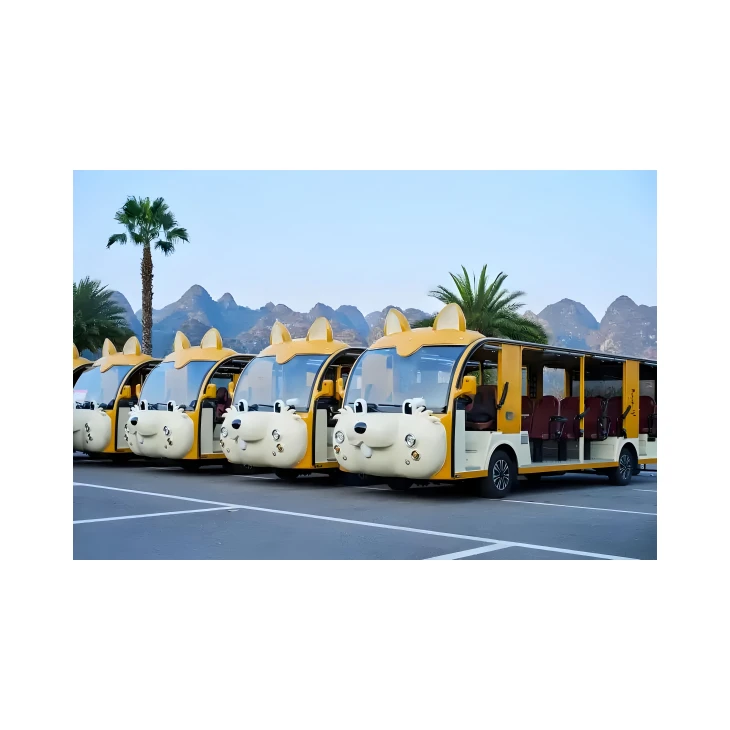
The electric sightseeing vehicle market has experienced a paradigm shift in recent years, driven by multiple interrelated factors:
1.1 Policy and Regulatory Support
The European Union's revised Alternative Fuels Infrastructure Directive (AFIR) mandates that 40% of intra-site transport vehicles in tourist destinations must transition to zero-emission alternatives by 2027
Across North America, the introduction of tax incentives covering 30-35% of acquisition costs has significantly boosted adoption rates
Emerging markets like Mexico and Indonesia have implemented preferential import duties for eco-friendly passenger transports, reducing tariffs by 15-20%
1.2 Environmental and Economic Benefits
Lifecycle analysis reveals that battery-powered tourist vehicles generate 62% lower carbon emissions compared to conventional gasoline models
Operational cost savings of 45-50% are achieved through reduced energy and maintenance expenditures
Noise pollution reduction of up to 90% makes these vehicles particularly suitable for sensitive environments like wildlife reserves and historic sites
2. Technological Innovations Reshaping the Industry
Modern electric sightseeing vehicles incorporate cutting-edge technologies that enhance performance, safety, and user experience:
2.1 Advanced Powertrain Systems
Next-generation lithium-titanate (LTO) batteries offering:
50% faster charging capabilities (full charge in under 2 hours)
3-4 times longer cycle life compared to conventional lithium-ion batteries
Superior performance in extreme temperatures (-30°C to +60°C)
2.2 Smart Mobility Solutions
Integrated IoT platforms enabling:
Real-time fleet monitoring and optimization
Predictive maintenance algorithms reducing downtime by 30%
Dynamic routing systems that adjust to passenger flow patterns
2.3 Customization and Specialization
Modular designs allowing for:
Flexible seating configurations (6-24 passenger variants)
Specialized versions for golf courses, airports, and urban campuses
ADA-compliant models with wheelchair accessibility features
3. Competitive Landscape and Market Segmentation
The global tourist shuttle vehicle market exhibits distinct regional characteristics and competitive dynamics:
3.1 Regional Market Analysis
Asia-Pacific: Accounts for 58% of global production, with Chinese manufacturers leading in both domestic adoption and exports
North America: Characterized by premium product segments with average unit prices 25-30% higher than Asian counterparts
Europe: Strong focus on sustainability certifications and integration with existing public transport networks
3.2 Market Share Distribution
Chinese manufacturers: 68% of global supply (key players: BYD, Yutong, Joylong)
European specialists: 22% market share (notable brands: Garia, Club Car)
Emerging competitors: 10% from India and Southeast Asia
4. Emerging Challenges and Strategic Responses
While growth prospects remain strong, industry participants must navigate several critical challenges:
4.1 Infrastructure Limitations
Only 28% of global tourist destinations currently have adequate charging infrastructure
Innovative solutions include:
Mobile charging stations with battery swapping capabilities
Solar-powered charging canopies integrated with vehicle parking areas
4.2 Regulatory Complexity
Divergent certification requirements across markets increase compliance costs
Leading manufacturers are establishing regional certification hubs to streamline approvals
4.3 Competitive Pressures
Local assemblers in target markets are gaining traction through:
Lower production costs (15-20% advantage)
Faster after-sales service response times
Strategic responses include:
Joint ventures with local partners
Development of modular platforms for regional customization
Enhanced digital service offerings
5. Future Outlook and Growth Opportunities
The electric sightseeing vehicle sector is expected to evolve in several key directions:
5.1 Market Expansion
Projected to grow from $3.2 billion in 2024 to $9.8 billion by 2030
Emerging applications in:
Urban micro-mobility networks
Corporate and university campuses
Large-scale event transportation
5.2 Technological Frontiers
Development of autonomous eco-friendly transport carts with L4 automation capabilities
Integration with renewable energy microgrids
Advanced vehicle-to-grid (V2G) energy management systems
5.3 Sustainability Innovations
Increased use of recycled materials in vehicle construction
Development of fully recyclable battery systems
Implementation of circular economy principles in manufacturing
The electric sightseeing vehicle industry stands at an inflection point, with technological innovation, environmental imperatives, and evolving mobility needs converging to create unprecedented growth opportunities. As the market matures, success will increasingly depend on manufacturers' ability to deliver customized solutions, navigate regulatory complexities, and build sustainable business models. With the right strategies, industry players can capitalize on the projected $10 billion market opportunity while contributing meaningfully to global decarbonization efforts.