


Growing Market for Sustainable Urban Mobility
The worldwide market for three-wheeled passenger vehicles is entering a period of rapid expansion. According to Allied Market Research, the global electric three-wheeler industry is projected to exceed USD 22 billion by 2025, fueled by rising urban populations and government initiatives for cleaner transportation. Within this trend, the tuk tuk passenger model is emerging as one of the most promising solutions for short-distance mobility in both developing and developed markets.
Cities in Asia, Africa, and Latin America are experiencing increasing demand for compact, cost-efficient vehicles that can reduce emissions while serving as a reliable form of public transport. As urban congestion worsens, lightweight alternatives such as electric tuk tuk passenger vehicles are being recognized not only as eco-friendly but also as profitable business opportunities for fleet operators.
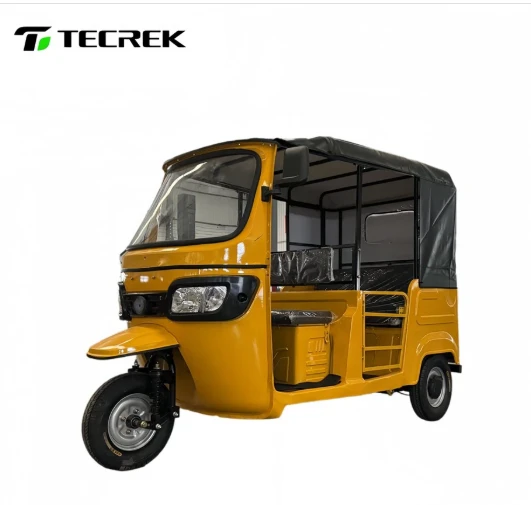
Product Innovation: Modern Tuk Tuk Passenger Models
A new generation of modern tuk tuk passenger models has entered the market, equipped with lithium-ion battery systems, advanced suspension, and safety features that meet international standards. For example, the P405 passenger tuk tuk comes with:
60V 4000W AC motor with adaptive controller
140–165 km endurance per charge
Climbing angle of 35°, suitable for hilly roads
1 driver + 3 passenger seating capacity
LED headlights, dual suspension, and disc brakes for enhanced safety
These specifications make the vehicle suitable for both urban commuting and tourist transportation. The endurance range ensures that operators can complete a full day's work on a single charge, a crucial advantage for commercial use.
Cost and Environmental Benefits
Compared with traditional fuel-powered rickshaws, the eco tuk tuk passenger vehicle for city transport offers up to 60% lower operating costs. The switch from gasoline to electric charging reduces fuel expenses, while the absence of engine oil and other consumables lowers long-term maintenance.
Most importantly, the adoption of tuk tuk passenger transportation models contributes to carbon reduction goals. With zero tailpipe emissions, these vehicles directly support local governments in meeting climate action targets, making them increasingly attractive in regions where emission regulations are tightening.
Rising Opportunities for Wholesale and Fleet Buyers
The demand for bulk orders of urban tuk tuk passenger vehicles is expanding across Southeast Asia, the Middle East, and parts of Africa. Fleet operators are investing in these vehicles to reduce daily running costs while offering passengers a cleaner, quieter, and more comfortable ride.
For wholesalers, the business case is equally strong. Container loading efficiency (27 sets per 40HQ SKD and 40 sets per 40HQ CKD) makes large-scale distribution cost-effective, while add-ons such as USB charging, Bluetooth systems, and double-door options allow flexibility for different market needs.
Conclusion: Tuk Tuk Passenger Vehicles Driving the Next Wave of Transport
As the push for sustainable mobility accelerates, the tuk tuk passenger sector stands at the forefront of innovation. Combining affordability, efficiency, and eco-friendliness, these vehicles are reshaping urban transport systems worldwide.
For wholesale buyers and fleet operators, investing in modern tuk tuk passenger models not only ensures long-term profitability but also aligns with the global shift toward clean energy mobility. With consumer demand rising steadily, the market outlook for passenger tuk tuks has never been stronger.