


Introduction
The global transition to low-emission logistics has entered a new phase as electrical vans for sale gain rapid traction among commercial fleets, wholesalers, and delivery operators. Across Europe, North America, and parts of Asia, orders for commercial electrical vans have climbed sharply in 2025, driven by government incentives, fuel-price volatility, and mounting pressure to achieve carbon-neutral operations.
Fleet Electrification Accelerates Worldwide
Industry data compiled from multiple regional associations shows that sales of electric delivery vans have grown by more than 38 percent year-on-year. Fleet managers are increasingly choosing battery-powered vehicles to reduce lifetime operational costs and improve sustainability metrics. Analysts note that the light-commercial segment is now one of the fastest-growing categories in the entire electric-vehicle market.
While early adoption was concentrated in Western Europe, recent months have seen wholesale electrical vans expanding into markets such as Latin America and Southeast Asia, where urban congestion and fuel costs make compact EVs particularly attractive. Industry experts predict that by 2030, electric vans could represent more than one-third of all new light-commercial vehicle registrations worldwide.
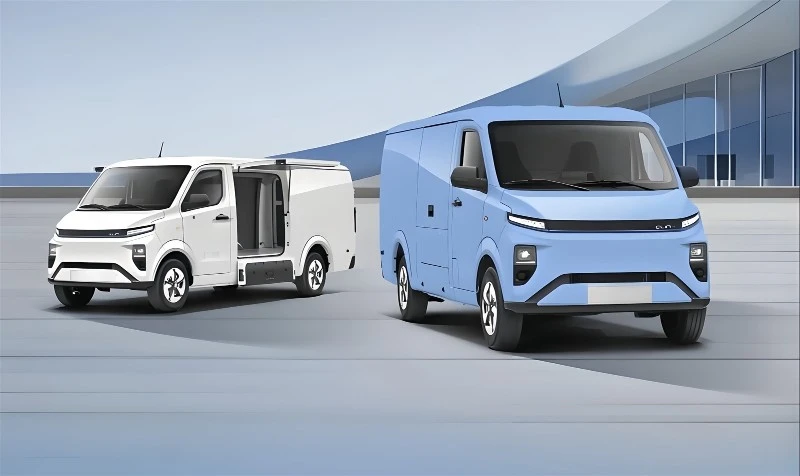
Economic Drivers Behind the Shift
For logistics firms, the financial rationale is clear. A fully electric van can cut total cost of ownership (TCO) by up to 50 percent compared with a diesel model. Fewer mechanical components, regenerative braking, and lower maintenance needs translate to significant savings per vehicle.
At the same time, the steady rollout of charging infrastructure has made operating new electrical vans for sale far more practical, especially for last-mile and urban freight applications.
According to market analysts, the average electric van now offers a driving range between 200 and 300 km per charge, meeting daily delivery demands for most urban fleets. As battery energy density improves, these figures are expected to rise further-enhancing confidence among fleet buyers seeking long-term reliability.
Government Policy and Corporate Sustainability Goals
The policy landscape continues to favor electrification. Dozens of major cities, including London, Amsterdam, and Los Angeles, have announced deadlines to phase out diesel vans by 2030. Subsidies, tax credits, and low-emission-zone access all incentivize the purchase of electric cargo vans and commercial electrical vans.
Meanwhile, global brands in retail and logistics-such as Amazon, DHL, and UPS-are expanding their electric-vehicle fleets, signaling a systemic shift in procurement strategy. This ripple effect is driving secondary demand among regional distributors and small logistics providers who must modernize their fleets to stay competitive.
Technological Developments
Recent advances in battery technology, particularly lithium-iron-phosphate (LFP) chemistry, have improved safety, charging efficiency, and lifespan. Manufacturers are also integrating smart-fleet management systems, enabling real-time tracking of energy use, route optimization, and maintenance alerts.
For buyers exploring wholesale electrical vans, these innovations add measurable value by ensuring operational transparency and maximizing uptime. The combination of digital monitoring and simplified servicing makes EV fleets both easier and cheaper to manage.
Market Forecast
According to projections from Precedence Research and Global EV Outlook 2025, the worldwide electric van market is expected to grow from USD 167 billion in 2026 to USD 460 billion by 2034, at a compound annual growth rate (CAGR) exceeding 13 percent. Much of this expansion will stem from the accelerated adoption of electrical vans for sale in commercial and industrial logistics, particularly in developing markets with strong e-commerce growth.
Industry observers also anticipate rising competition among manufacturers, prompting continuous innovation in battery range, fast-charging capability, and chassis versatility. As EV costs continue to decline, the gap between diesel and electric models will narrow further, tipping fleet procurement toward electric mobility on a global scale.
Challenges Ahead
Despite optimism, several challenges persist: inconsistent charging networks across regions, higher upfront purchase prices, and limited availability of specialized electric van models for niche applications such as refrigeration or long-haul transport. However, with policy support and rapid technological progress, analysts remain confident these barriers will diminish within the next five years.
Conclusion
The momentum behind electrical vans for sale marks a defining moment for the logistics industry. Businesses that adopt new electrical vans for sale or transition to electric delivery vans early will likely gain a decisive competitive advantage-reducing costs, meeting emission targets, and aligning with the sustainability expectations of global clients.
As the market for wholesale electrical vans continues to expand, 2025 is shaping up to be a pivotal year in the electrification of commercial transport worldwide.