


A Growing Trend in Tourism Transport
As the global tourism industry continues to recover and expand, the need for safe, reliable, and eco-friendly transport solutions is stronger than ever. Recent reports from the World Tourism Organization (UNWTO) show that international tourist arrivals in 2023 reached 90% of pre-pandemic levels, and by 2024 are expected to exceed record highs. With more visitors flooding into theme parks, scenic spots, and resorts, demand for the sightseeing shuttle has been rising steadily.
Why Sightseeing Shuttles Are Gaining Popularity
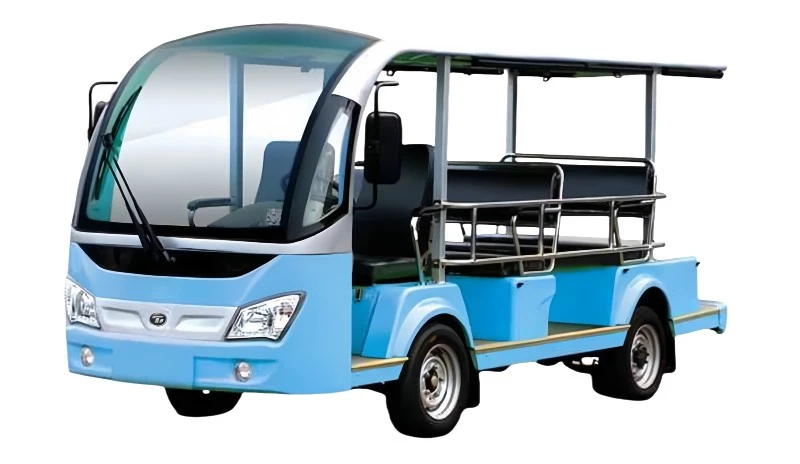
Operators and fleet managers are increasingly turning to electric sightseeing shuttles as a cost-effective and sustainable alternative to traditional fuel-powered buses. These vehicles are designed to carry groups of 8–14 passengers, offering smooth rides, strong climbing ability, and extended ranges of up to 90 km per charge.
According to industry analysts, the shift is driven by three key factors:
Environmental regulations – Many governments now require low-emission or zero-emission vehicles in public areas.
Operating cost savings – A tourist shuttle can reduce energy and maintenance expenses by up to 60% compared with diesel-powered minibuses.
Passenger comfort and safety – Equipped with ergonomic seats, safety belts, and modern suspension systems, sightseeing shuttles enhance the visitor experience.
Market Outlook
The global market for sightseeing transport vehicles is projected to reach USD 5 billion by 2025, supported by rising investments in eco-friendly tourism infrastructure. Asia-Pacific countries, particularly China and Southeast Asia, are seeing the fastest growth, while Europe and North America remain steady due to strong urban tourism demand.
Fleet operators and wholesalers are expected to benefit most from this expansion. Not only do these vehicles appeal to parks and resorts, but they are also widely used in airports, campuses, and residential communities. This versatility makes the passenger shuttle a profitable investment for distributors.
Applications Expanding Beyond Tourism
While scenic attractions and theme parks remain the primary buyers, more industries are adopting sightseeing shuttles:
Universities and campuses – for internal student transport.
Airports – for passenger transfers between terminals.
Business parks and industrial zones – for staff mobility.
Large residential communities – for internal commuting.
This trend reflects a broader demand for short-distance, sustainable, and comfortable transport solutions.
Industry Voices
Industry experts note that the growth of VIP sightseeing shuttles is particularly strong. Resorts and high-end hotels increasingly request customized models with premium seating, leather interiors, and luxury finishes to elevate guest experiences.
"Electric sightseeing vehicles are not just a trend; they are becoming the new standard in modern tourism," said a transport analyst from an Asia-Pacific consulting firm. "Operators who switch to electric fleets report higher passenger satisfaction and significant long-term savings."
Conclusion
As global tourism continues to expand, the role of the sightseeing shuttle will become even more critical. With strong demand from wholesalers, distributors, and operators, these vehicles are poised to dominate the short-distance passenger transport market. Whether in theme parks, resorts, or campuses, electric sightseeing shuttles offer a sustainable, safe, and cost-efficient solution for the future of mobility.