


The Rise of Electric Cargo Tricycles in Urban Delivery
Urban logistics is undergoing a massive transformation. Rising fuel prices, traffic congestion, and stricter emission regulations are forcing delivery companies to rethink traditional vans and trucks. Electric cargo tricycles have quickly emerged as a game-changing solution for last-mile delivery, offering lower operating costs, zero emissions, and unmatched maneuverability in crowded city environments.
Today, global demand for electric cargo tricycles is accelerating across food delivery, e-commerce logistics, postal services, and municipal operations. However, choosing the right model can directly impact your productivity, profitability, and long-term return on investment.
This guide explains the key factors every delivery business must consider before purchasing an electric cargo tricycle.
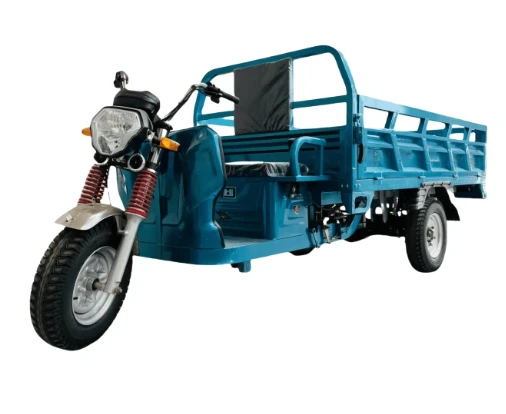
1. Payload Capacity: Match the Vehicle to Your Delivery Volume
Payload capacity is the most critical factor when selecting an electric cargo tricycle. Most models range from 300 kg to 1,200 kg, and choosing the wrong capacity can either limit productivity or increase unnecessary costs.
Recommended payload ranges by use case:
300–500 kg → food delivery, courier services
500–800 kg → e-commerce parcels, grocery distribution
800–1,200 kg → construction supplies, municipal logistics
Selecting the correct payload ensures optimized efficiency without overloading the vehicle or reducing battery performance.
2. Battery Type and Range: The True Cost Driver
Battery technology determines daily operating range, charging time, and long-term maintenance expenses.
Common battery options:
Lead-acid → low upfront cost, shorter lifespan
Lithium-ion → longer range, faster charging, lower lifecycle cost
For most delivery businesses, a lithium battery with 80–150 km range per charge provides the best balance between performance and cost.
Pro tip: Always calculate range based on real-world load and terrain, not factory claims.
3. Motor Power: Balancing Speed and Climbing Ability
Motor power directly affects acceleration, hill-climbing capability, and overall reliability under heavy loads.
Typical motor configurations:
1500–3000W → light urban delivery
3000–5000W → medium cargo operations
5000W+ → heavy-duty logistics
Businesses operating in hilly areas or carrying heavy goods should prioritize torque over top speed.
4. Cargo Box Design: Efficiency Starts with Smart Storage
The cargo compartment design can dramatically improve delivery efficiency.
Popular cargo box types include:
Open flatbed for bulk materials
Enclosed box for parcels
Refrigerated container for cold-chain delivery
Dumping cargo bed for construction use
Customization options such as modular shelving, waterproof sealing, and smart locks can reduce delivery time by up to 30%.
5. Total Cost of Ownership
Many buyers focus only on purchase price, but the real decision factor is total cost of ownership.
Key cost components:
Initial purchase price
Electricity consumption
Maintenance expenses
Battery replacement
Insurance and licensing
Compared with fuel vans, electric cargo tricycles can reduce operating costs by 60–80% annually, often achieving payback within 6–12 months.
6. Durability and Manufacturing Quality: Avoid Hidden Risks
Not all electric cargo tricycles are built the same. Structural quality directly affects safety and lifespan.
Look for manufacturers with:
Robotic welding production lines
High-strength steel frames
Automotive-grade painting and anti-corrosion treatment
Certified quality standards (IATF16949, CCC)
Professional manufacturers with integrated stamping, welding, painting, and assembly capabilities typically deliver vehicles with 2× longer service life.
7. Customization Capability: Future-Proof Your Fleet
Every delivery business has unique requirements. Choosing a supplier that offers full customization ensures long-term scalability.
Common customization options include:
Cargo size modification
Battery capacity upgrades
Telematics and GPS integration
Branding and fleet management systems
Customized electric cargo tricycles can improve operational efficiency by 20–40% compared with standard models.
Market Trends: Why Electric Cargo Tricycles Are Dominating Last-Mile Logistics
According to global logistics industry forecasts, electric cargo tricycles will account for over 35% of last-mile delivery vehicles by 2030.
Key drivers include:
Urban emission regulations
Growth of instant delivery platforms
Rising labor and fuel costs
Government incentives for electric mobility
This shift is not a trend-it's a structural transformation of urban logistics.
Expert Checklist Before Buying an Electric Cargo Tricycle
Before making your final decision, confirm these points:
✅ Payload capacity aligned with delivery needs
✅ Real-world range tested under full load
✅ Certified manufacturing quality
✅ After-sales service availability
✅ Customization options for future expansion
Why Professional Manufacturers Matter
Leading electric cargo tricycle manufacturers with multi-factory production networks, advanced R&D centers, and full-process automotive manufacturing capabilities provide higher reliability, better scalability, and long-term supply stability for global buyers.
Companies integrating stamping, welding, painting, mold design, and final assembly can deliver customized logistics vehicles at industrial scale-ideal for distributors and fleet operators planning rapid expansion.
Final Thoughts: Choosing the Right Electric Cargo Tricycle Is a Strategic Business Decision
Selecting the right electric cargo tricycle is not just a vehicle purchase-it's an investment in efficiency, sustainability, and competitive advantage.
Businesses that adopt the right model early benefit from lower costs, faster delivery cycles, and stronger brand positioning in modern urban logistics markets.
SEO Keywords (Naturally Embedded)
electric cargo tricycle
electric delivery tricycle
cargo electric three wheeler
electric freight tricycle
last mile delivery vehicle
commercial electric tricycle
electric logistics tricycle
urban delivery electric vehicle
FAQ – Electric Cargo Tricycle Buying Guide
1. What is the ideal payload for delivery businesses?
Most urban delivery companies choose 500–800 kg for the best balance of efficiency and cost.
2. How long does an electric cargo tricycle last?
High-quality models typically last 5–8 years, depending on maintenance and battery replacement cycles.
3. Are electric cargo tricycles legal worldwide?
Regulations vary by country, but most regions classify them as light commercial vehicles with simplified licensing.
4. How much money can businesses save?
Many operators report $3,000–$8,000 annual savings per vehicle compared with fuel vans.
5. Is lithium battery worth it?
Yes. Lithium batteries offer longer lifespan, faster charging, and lower total lifecycle cost.