


I. The Battery: Lifeline of the Electric Tricycle
Lead - Acid Batteries: The Conventional Choice
The lead - acid battery has long been a staple in electric tricycles. It's a cost - effective solution, making electric tricycles accessible to a wide range of users. These batteries work through a chemical reaction between lead plates and sulfuric acid electrolyte. In an electric tricycle, a lead - acid battery typically offers a moderate range. For instance, a standard 48V 50Ah lead - acid battery can power an electric tricycle for 40 - 60 kilometers on a single charge, depending on load and terrain.
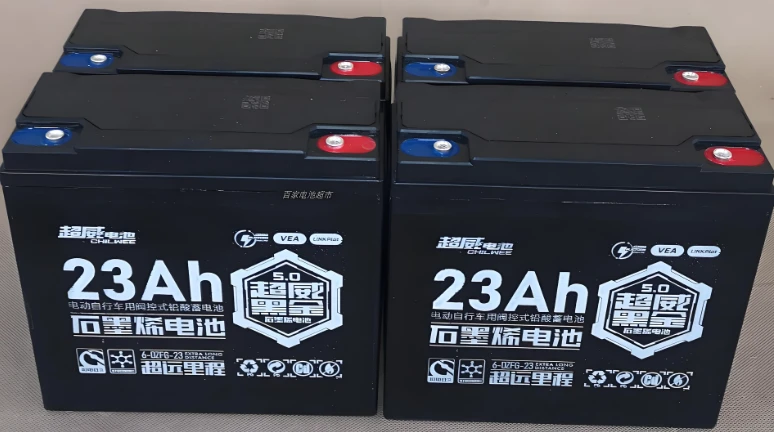
However, lead - acid batteries have limitations. They are heavy, which adds to the overall weight of the electric tricycle, reducing energy efficiency. Also, their lifespan is relatively short, with an average cycle life of 300 - 500 charges. This means that for frequent users of the electric tricycle, replacing lead - acid batteries becomes a periodic expense. Despite these drawbacks, their low cost keeps them a popular choice for budget - conscious buyers of electric tricycles, especially for light - duty, short - range applications.
Lithium - Ion Batteries: The Modern Upgrade
Lithium - ion batteries are gradually gaining ground in the electric tricycle market. They bring several advantages to the table. With a higher energy density, lithium - ion batteries are lighter and can store more energy in the same space. A 48V 20Ah lithium - ion battery, for example, can often match or even exceed the range of a larger lead - acid battery while being significantly lighter. This not only boosts the electric tricycle's range but also improves its handling, as the reduced weight makes it more agile.
The lifespan of lithium - ion batteries is another plus, with cycle lives ranging from 1000 - 2000 charges. This longevity means lower long - term costs for electric tricycle owners. However, the upfront cost is higher, which can be a deterrent for some. Also, lithium - ion batteries require more sophisticated battery management systems (BMS) to prevent overcharging and over - discharging, ensuring safety and optimal performance in the electric tricycle. As technology advances and production scales up, lithium - ion batteries are set to become an even more dominant force in powering electric tricycles.
II. Configuration: The Blueprint of Performance
Motor Power and Torque
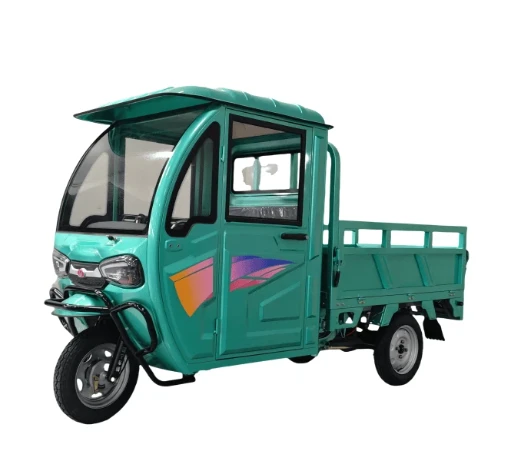
The motor is the muscle of the electric tricycle. Motor power, usually measured in watts, determines how much load the electric tricycle can carry and how well it can climb slopes. A typical electric tricycle might be equipped with a 500W to 1500W motor. A 500W motor is sufficient for light - load, flat - terrain use, like short - distance grocery delivery in urban areas. But for heavier loads or hilly regions, a 1000W or 1500W motor is more appropriate, as it can generate higher torque to get the electric tricycle moving and keep it going uphill.
Torque, in simple terms, is the twisting force that the motor generates. For an electric tricycle, high torque at low speeds is crucial for tasks like starting from a stop with a heavy load or navigating steep inclines. Motors with good torque characteristics ensure that the electric tricycle doesn't struggle in these situations, providing a smooth and consistent ride.
Chassis and Suspension
The chassis of an electric tricycle is its backbone, providing structural integrity. A well - designed chassis can withstand the rigors of daily use, whether it's carrying heavy cargo or traversing rough roads. Materials like high - strength steel are commonly used, as they offer a good balance between strength and weight.
Suspension systems, although sometimes overlooked, play a vital role in the electric tricycle's ride quality. A basic suspension might consist of leaf springs or shock absorbers for the rear cargo area and the front wheel. Good suspension helps in absorbing shocks from uneven roads, protecting both the cargo and the rider. For an electric tricycle used in areas with poor road conditions, a robust suspension system can make a world of difference, reducing driver fatigue and preventing damage to the vehicle and its contents.
Braking System
Safety is paramount, and the braking system of an electric tricycle is a critical component. Most electric tricycles use either drum brakes or disc brakes. Drum brakes are enclosed systems, where brake shoes press against the inside of a drum to slow down the wheel. They are relatively inexpensive and offer decent stopping power in normal conditions. Disc brakes, on the other hand, use a caliper to squeeze brake pads against a rotor. They provide better stopping power, especially in wet or muddy conditions, and are more resistant to fade during prolonged use.
Some electric tricycles are now equipped with combined braking systems (CBS), which distribute braking force to both the front and rear wheels simultaneously. This enhances stability during braking, reducing the risk of skidding, especially when the electric tricycle is carrying a heavy load.
III. The Electric Tricycle in Action: Real - World Implications
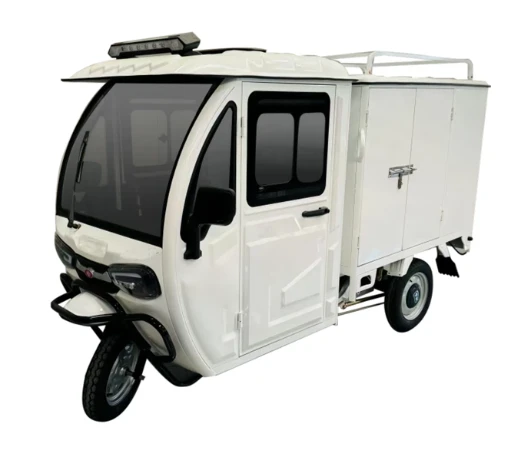
In urban logistics, the electric tricycle shines with its compact size and maneuverability. A well - configured electric tricycle, with a suitable battery and motor, can zip through narrow streets, delivering packages efficiently. The right battery choice ensures that delivery drivers can complete their routes without frequent recharging. In rural areas, electric tricycles are used for tasks like transporting farm produce or navigating unpaved roads. Here, a robust chassis, good suspension, and a powerful motor are essential to handle the rough terrain and heavy loads.
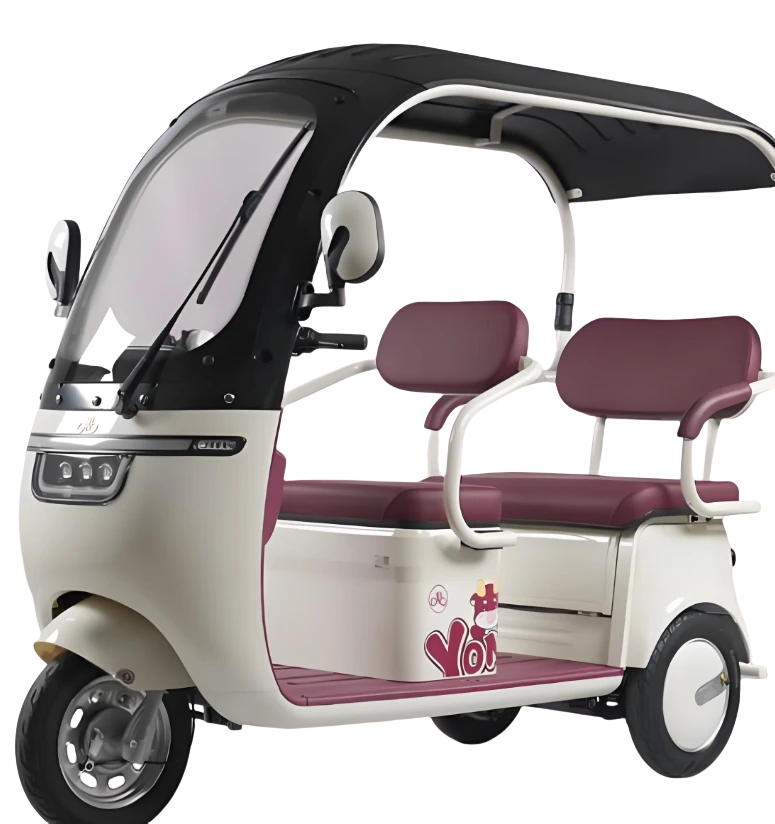
For personal use, like commuting or running small errands, the electric tricycle's configuration can be tailored for comfort and convenience. A lithium - ion battery might be preferred for its lighter weight and longer lifespan, making the electric tricycle easier to handle and more cost - effective in the long run.
In conclusion, the electric tricycle is a complex yet versatile vehicle, where the battery and configuration are the cornerstones of its performance. Whether it's the traditional lead - acid or the modern lithium - ion battery, each has its place in powering the electric tricycle. The configuration, from motor power to braking systems, shapes how well the electric tricycle performs in different scenarios. As the demand for efficient, short - distance transportation grows, understanding these aspects of the electric tricycle will help users make informed choices, ensuring that this workhorse continues to serve us well in the years to come. The electric tricycle, with its evolving battery and configuration technologies, is set to remain a key player in our transportation landscape, adapting to our needs and the changing world around us.