


Electric tricycles: The "promising stock"
in the global electric vehicle market Electric tricycles have quietly become one of the most dynamic categories in the global electric vehicle market. Previously, it was just a simple tool for short-distance transportation. Now, electric tricycles are different. They can support green logistics, urban travel, and also contribute to sustainable economic development. With advancements in battery technology, stronger motor power, and continuous government encouragement for zero-emission transportation, these tricycles are influencing future travel patterns in both developing and developed countries.
People prefer clean and efficient transportation Nowadays, cities are facing problems such as pollution, high oil prices, and traffic congestion. Therefore, the demand for environmentally friendly transportation is constantly increasing. Electric tricycles, which lie between traditional motorcycles and full-sized electric trucks, are particularly practical. They have enough cargo capacity for commercial use, are not expensive, and are energy-efficient. According to the latest industry data, in major markets such as Southeast Asia, Africa, and South America, the sales of electric tricycles have increased by more than 20% annually.
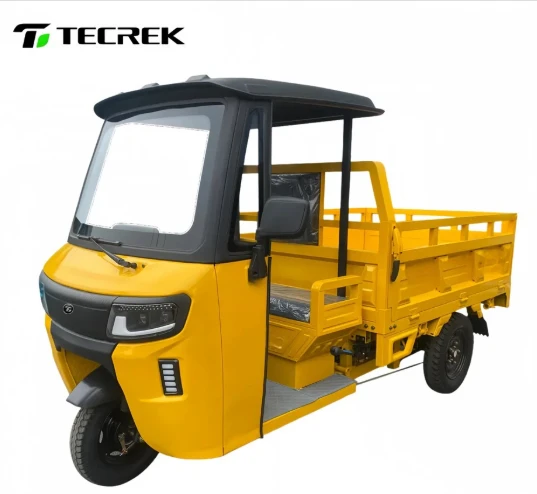
Technological innovation has improved performance Nowadays, electric freight tricycles are no longer the kind that can't run fast or far. The latest models are equipped with efficient permanent magnet motors, advanced lithium-ion or lead-acid batteries, and energy recovery braking technology. These improvements allow the vehicle to travel 60 to 100 kilometers on a single charge, with an increased energy conversion rate. Moreover, the suspension system has been upgraded, and the chassis is made of steel, making it stable and safe even on uneven roads.
Electric tricycles are particularly important in local logistics networks, especially for last-mile delivery and short-distance transportation. Businesses in retail, agriculture, and construction have started to use electric tricycles to save money and reduce their environmental impact. Policy support has led to the growth of the market The popularity of electric tricycles is not only due to government policies promoting renewable energy and reducing emissions.
Many countries have introduced tax cuts, subsidies, and low-interest loans to encourage consumers and manufacturers to use electric vehicles. For example, India's "FAME II Program" and several projects in Southeast Asia aim to replace traditional fuel tricycles with electric ones within the next ten years. China is a major producer and innovator of electric tricycles, constantly improving motor efficiency, battery durability, and enhancing charging facilities. These advancements make electric delivery tricycles more competitive globally, especially in regions that seek "cheap and clean" transportation options.
It's both cost-effective and environmentally friendly, with many benefits For small businesses and logistics companies, switching to electric tricycles is both environmentally friendly and cost-effective. Electric tricycles are particularly energy-efficient - the cost per kilometer is usually 70% to 80% less than that of fuel vehicles. Moreover, they have fewer moving parts, require less frequent oil changes, and do not need complex engine maintenance, resulting in much lower maintenance needs. From an environmental perspective, for every additional electric tricycle on the road, 1.5 tons of carbon dioxide can be reduced annually. This not only improves air quality in congested cities but also helps achieve the global "net zero emissions" goal. Various uses in the logistics industry Electric freight tricycles are particularly flexible and are indispensable in many industries: Urban delivery: In densely populated urban areas, short-distance deliveries and last-mile delivery are particularly suitable. Agriculture: Transporting goods between farms, markets, and warehouses is fast and labor-saving. Municipal work: Used for collecting garbage, sweeping streets, and performing some light maintenance tasks. Construction and retail: Transporting tools, materials, and goods in construction sites or communities is particularly convenient.
This vehicle has multiple uses and low operating costs. Both fleet owners and small entrepreneurs are willing to invest in purchasing it. Challenges and future prospects Although the development is good, there are still issues to be addressed. For instance, batteries are expensive and charging facilities are scarce. In some rural areas, people are still not very willing to use them. However, the global electric vehicle market is expected to grow at a rate of over 15% annually, so the future of the electric tricycle industry is still very promising.
Manufacturers are currently developing faster charging systems, more durable batteries, and intelligent control systems to meet the new demands of the modern logistics and transportation industries. In the not-too-distant future, electric tricycles will be combined with IoT systems, GPS fleet management, and renewable energy charging. Their efficiency and reliability will be even higher, and they will undoubtedly remain at the forefront of "sustainable urban transportation".
Summary
Electric tricycles have evolved from simple transportation tools into innovative representatives in the field of sustainable logistics. Currently, governments, manufacturers, and consumers are all striving towards cleaner transportation methods. The role of electric tricycles worldwide will become increasingly significant. With continuous technological advancements, greater energy efficiency, and lower costs, electric tricycles are no longer just "alternative options" - they will be an indispensable part of future green transportation.