


Understanding the New Landscape of Battery Technology
As electric vehicles (EVs) and energy storage systems (ESS) become core pillars of the global energy transition, the battery industry is undergoing one of the most significant transformations in its history. The shift is no longer just about capacity expansion - it's about performance, safety, and sustainability. From raw materials to manufacturing and recycling, every link in the battery supply chain is evolving toward higher efficiency and lower environmental impact.
Upstream Materials: Rising Demand, Increasing Volatility
Recent market research indicates that the global battery materials market will experience strong growth between 2025 and 2032, driven by:
Surging EV adoption rates and rapid development of energy storage infrastructure.
Growing investment in sustainable and high-density materials such as lithium iron phosphate (LFP) and nickel manganese cobalt (NMC).
Supportive global policies promoting decarbonization and renewable energy integration.
However, the sector faces major challenges:
Price volatility of lithium, cobalt, and nickel due to geopolitical and supply risks.
Regulatory pressure to reduce environmental damage from mining and production.
Localization demands in key markets (U.S., EU) to secure domestic production capacity.
For automakers, this means that battery performance, cost control, and material sourcing will directly influence long-term competitiveness.
Manufacturing and Integration: Beyond the Cell Level
Today's leading battery manufacturers are focusing on next-generation manufacturing technologies - from solid-state batteries to structural pack design - aiming for higher energy density and faster charging without compromising safety.
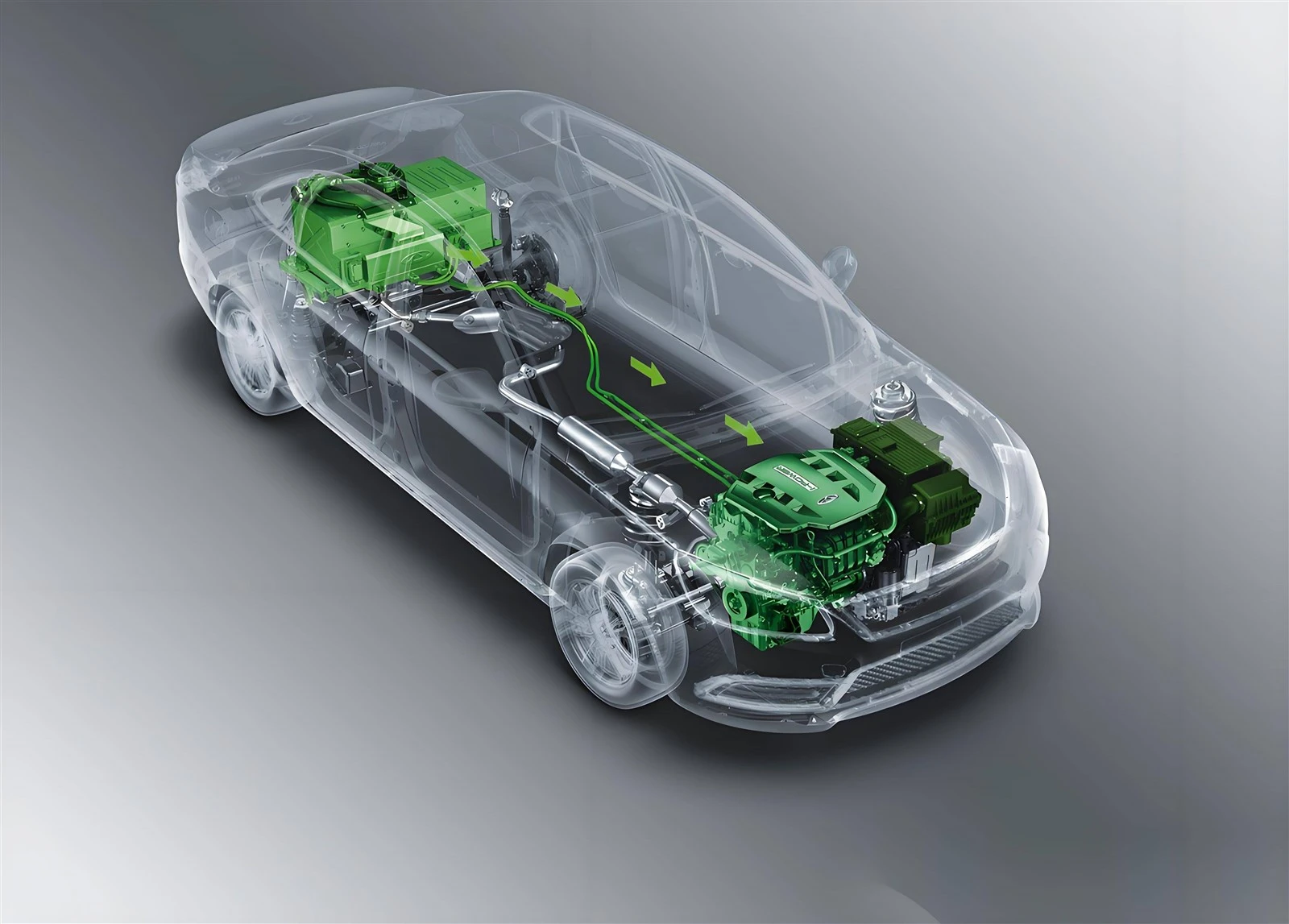
In the automotive sector, integration between the battery and the vehicle platform is becoming more sophisticated:
Thermal management systems are being re-engineered to handle ultra-fast charging.
Battery management software (BMS) plays a crucial role in optimizing power efficiency and lifespan.
Safety compliance has become a top priority, with new global standards tightening requirements on thermal runaway prevention and impact resistance.
For example, China recently announced plans to strengthen EV battery safety standards to minimize fire and explosion risks - a move expected to influence global regulatory frameworks.
The Global Supply Chain Shift: From Asia to Worldwide Localization
For nearly a decade, Asia - particularly China, South Korea, and Japan - has dominated the global battery market. But this dominance is now being challenged. The U.S. Inflation Reduction Act (IRA) and the EU Green Deal are encouraging local battery manufacturing to reduce dependence on imports.
Europe is seeing new "gigafactory" projects emerge in Germany, Hungary, and Sweden.
The U.S. is accelerating investment in lithium extraction and cathode production.
Chinese companies, meanwhile, are expanding globally, establishing partnerships and localized factories in Europe and Southeast Asia.
This reshaping of the battery ecosystem represents not competition alone, but an interdependent network where innovation and cooperation will define future market leaders.
Strategic Priorities for Automakers and Energy Companies
To remain competitive in this evolving market, automotive OEMs and energy system integrators should focus on:
Strategic sourcing: Build long-term partnerships with cell manufacturers and secure critical mineral supply.
Technology diversification: Invest in both LFP and solid-state battery research to mitigate material risks.
Lifecycle management: Integrate recycling and second-life applications to lower costs and environmental impact.
Local compliance: Anticipate evolving regulations on battery transport, testing, and certification.
System optimization: Treat the battery as part of a larger system - including software, cooling, and charging infrastructure.
The Road Ahead: Batteries as a Strategic Asset
The battery industry is transitioning from "rapid growth" to intelligent competition - where technological depth, sustainability, and global collaboration matter more than pure production volume.
For the automotive world, the battery is no longer just a component - it's a strategic asset that shapes energy independence, brand value, and environmental responsibility. Companies that adapt early, innovate continuously, and integrate across the value chain will define the next decade of mobility.