


As cities worldwide push for low-carbon transport and last-mile mobility solutions, electric passenger tricycles are rapidly becoming a practical alternative to traditional fuel vehicles. From short-distance commuting to community transport and tourist shuttles, demand is growing across Asia, Africa, the Middle East, and emerging urban markets.
However, not all electric passenger tricycles are created equal. Capacity, driving range, and ride comfort vary significantly between models, directly impacting operating cost, passenger satisfaction, and long-term reliability. This buying guide breaks down the most critical factors buyers should compare before making a decision.
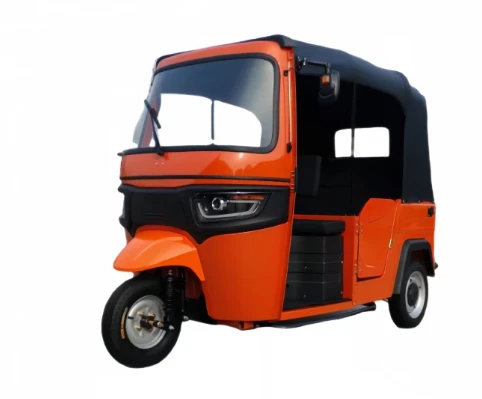
Why Electric Passenger Tricycles Are Gaining Global Popularity
Compared with cars and minibuses, electric passenger tricycles offer three key advantages:
Lower purchase and operating costs
Excellent maneuverability in congested urban areas
Zero tailpipe emissions and low noise
These benefits make them especially attractive for city commuting electric tricycle, electric tuk tuk passenger transport, and short-range shuttle services. In many regions, they also face fewer licensing and parking restrictions than four-wheel vehicles.
1. Passenger Capacity: Matching Vehicle Design to Real Use Cases
Passenger capacity is the first factor buyers should evaluate-not just the number of seats, but how those seats are designed.
Common Capacity Options
Two-seat electric passenger tricycle: Best for private use, short commutes, or ride-sharing in narrow streets.
Three to four passengers: Common in electric passenger tuk tuk and urban shuttle applications.
Family-oriented electric tricycle: Designed with wider seats, child safety considerations, and improved stability.
A higher passenger capacity increases revenue potential but also demands a stronger chassis, reinforced suspension, and upgraded braking system. Buyers should ensure the vehicle frame and welding quality are engineered for full-load operation-not just nominal seating numbers.
2. Driving Range: The Real Cost Driver Often Overlooked
Driving range directly affects daily operating efficiency. An under-specified battery can double charging frequency and reduce vehicle availability.
What Determines Range?
Battery type (lead-acid vs lithium)
Vehicle weight and passenger load
Motor efficiency and controller tuning
Urban stop-and-go driving patterns
For most urban passenger transport scenarios, a realistic target range is 60–100 km per charge. Vehicles designed with lithium battery systems typically offer longer cycle life, more stable output, and reduced long-term cost-even if the initial investment is higher.
Buyers evaluating an electric three wheel passenger tricycle should always ask for full-load range data, not just laboratory figures.
3. Comfort: A Key Factor in Passenger Retention and Driver Fatigue
Comfort is no longer optional. As competition increases, passengers gravitate toward smoother, quieter rides-especially in tourist and urban shuttle services.
Comfort Features That Matter
Suspension system: Hydraulic shock absorbers significantly improve ride quality on uneven roads.
Seat ergonomics: Wider cushions and proper back support reduce fatigue.
Noise control: Low-vibration electric drivetrains enhance passenger experience.
Cabin options: An enclosed passenger electric tricycle provides weather protection and improves year-round usability.
For operators running multiple daily trips, comfort directly impacts customer satisfaction, repeat usage, and driver productivity.
4. Safety and Stability: Often Ignored, Always Critical
Passenger vehicles demand higher safety standards than cargo models. Buyers should assess:
Low center-of-gravity chassis design
High-strength frame and welding quality
Reliable braking systems (disc or reinforced drum brakes)
Consistent quality control across batches
Vehicles built on automotive-grade production lines-with standardized stamping, robotic welding, and structural testing-offer a clear advantage in long-term safety and durability.
5. Customization and Compliance: Preparing for Different Markets
Regulations and user preferences vary widely across regions. A strong supplier should offer:
Seating layout customization
Battery and motor configuration options
Roof, enclosure, or open-passenger designs
Compliance with local certification requirements
Manufacturers with in-house R&D and complete vehicle production capability are better positioned to adapt designs for local markets without compromising reliability.
Choosing the Right Supplier Matters as Much as the Vehicle
Beyond specifications, supplier capability plays a decisive role in total cost of ownership. Established manufacturers with integrated stamping, welding, painting, and final assembly lines can better ensure:
Consistent build quality
Stable supply capacity
Long-term parts availability
Professional technical support
Companies with experience in electric passenger tricycle, urban three wheel electric vehicle, and customized mobility solutions often provide better lifecycle value than trading companies focused solely on price.
Final Thoughts: Buy for Long-Term Operation, Not Just Initial Price
An electric passenger tricycle is not just a vehicle-it is a revenue-generating tool. Buyers who carefully compare capacity, range, comfort, and manufacturing quality are far more likely to achieve lower operating costs, higher passenger satisfaction, and longer service life.
As urban mobility continues to evolve, well-engineered electric passenger tricycles are set to play a critical role in sustainable, people-focused transport systems worldwide.