


Facing the multiple challenges of increasingly severe urban traffic congestion, prominent pollution issues, and surging delivery demands, electric tricycles are gradually becoming a key solution to the urban transportation predicament. Unlike traditional electric vehicles, these models are small, flexible, energy-efficient, and enjoy the dual advantages of being economical and environmentally friendly. They have gained popularity worldwide, providing a new option for urban transportation.
The popularity of electric tricycles
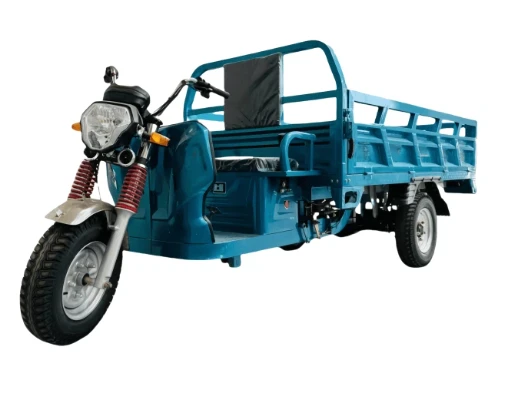
From Asia to Europe, many cities are rapidly incorporating Urban Electric Cargo Tricycle into their urban transportation networks. Their compact bodies enable them to navigate through narrow streets and congested traffic flows, making them ideal for end delivery services. The latest industry reports show that in major metropolitan areas, the annual penetration rates of electric freight tricycles and passenger tricycles have increased by over 25%.
Compared to traditional electric vehicles, the upfront investment and maintenance costs of electric tricycles are much lower. Their lower energy consumption, convenient parking conditions, and flexible loading capacity are highly appreciated by fleet operators and small business owners, especially suitable for light logistics delivery and e-commerce package transportation scenarios.
Core advantages of electric tricycles compared to traditional Urban Electric Cargo Tricycle
Compact and flexible, easy to operate
Urban Electric Cargo Tricycle can easily navigate through congested sections, effectively reducing delivery time.
Low operating costs
Their maintenance and electricity expenses are much lower than those of traditional electric vehicles.
Green and carbon-free travel
As a zero-emission vehicle, electric tricycles can effectively reduce urban pollution and contribute to the sustainable development of the transportation sector.
Rich customization options
Headline manufacturers such as Shandong Tairui Automobile Electronics Co., Ltd. can provide customized solutions for freight, passenger, and special-purpose scenarios, covering various types from electric micro trucks to four-wheel low-speed electric vehicles.
For urban logistics enterprises, electric tricycles achieve a perfect balance between economic benefits and environmental responsibility. Electric freight tricycles, light electric trucks, and other micro electric vehicles are playing an increasingly important role in areas such as catering delivery, express transportation, and municipal maintenance.
Global trend of promoting market penetration
Increased policy support
Governments around the world have introduced subsidies, tax exemptions, and relaxed license plate restrictions to promote the development of Urban Electric Cargo Tricycle.
Urban congestion drives transformation
Narrow urban roads and high traffic volumes make small electric tricycles more practical than larger electric vehicles.
The booming e-commerce industry
The surge in online shopping has created a massive demand for end delivery services, and flexible and efficient electric tricycles and four-wheel low-speed electric vehicles can precisely meet this market need.
According to the research data from Shandong Tairui's R&D department, in urban delivery scenarios, the operational efficiency of electric freight tricycles is 30% higher than that of traditional box trucks. Their modular design can easily adapt to the regulations of different cities and the transportation needs of various goods.
Future development outlook
As major cities continue to focus on sustainable development and efficient transportation construction, the market penetration rate of Urban Electric Cargo Tricycle is expected to surpass that of traditional electric vehicles. For enterprises planning to upgrade their fleets, they may consider turning their attention to the rich variety of electric tricycles - from electric micro vehicles to fully customized freight tricycles. These models combine the technical advantages of strong reliability, low operating costs, and greenness, and will undoubtedly become an important force in urban transportation transformation.