


Selecting an appropriate commercial vehicle for an enterprise is one of the core decisions made by fleet managers and logistics directors. An appropriate model directly determines operational efficiency, delivery reliability, fuel costs, driving safety, and even the long-term profitability of the enterprise.
Currently, the commercial vehicle for urban delivery market offers a wide variety of models, ranging from light trucks for urban delivery, Medium duty truck carrying cargo on city road to special vehicles and electric vehicles. To select the most suitable model, one should follow this systematic purchasing method.
I. First, determine the actual load capacity requirements
The first step in choosing a vehicle is to thoroughly understand the weight of the transported goods and the specific scenarios. The core issues to focus on are:
Business scenario: Is it for urban logistics delivery, construction material transportation, or long-distance trunk freight?
Cargo type: Are the transported goods ordinary, heavy machinery, liquid materials, or temperature-controlled cold chain goods?
Operating conditions: Is the vehicle mainly used for short-distance urban circulation or long-distance cross-regional transportation?
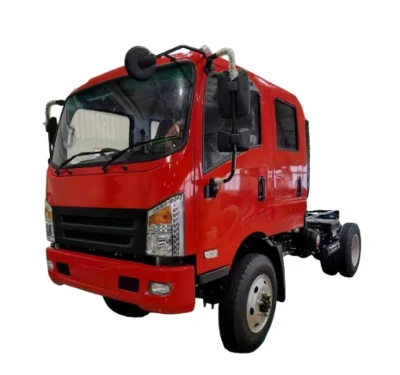
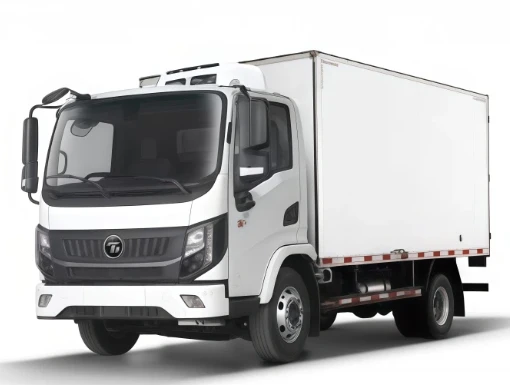
To illustrate with two mainstream vehicle models more intuitively: Light trucks excel in flexible operation and low operating costs, but their load capacity is smaller than that of medium trucks. They are ideal for urban distribution in problem-free scenarios; Medium trucks have a stronger carrying capacity and are suitable for transporting heavy goods, but they have higher fuel consumption and operating costs, making them more suitable for long-distance transportation needs.
II. Load capacity and cargo compartment volume: Core hard indicators that cannot be ignored
1. Load capacity and cargo compartment volume are the key considerations when choosing a commercial vehicle.
It must be emphasized here: Absolutely do not overload! Overloading will accelerate vehicle wear, increase maintenance costs, and also cross the red lines of traffic safety and transportation regulations, leading to serious safety accidents and legal risks.
2. This requires enterprises to accurately calculate their own freight demands and clearly define the parameters of load capacity and cargo compartment volume.
When choosing load capacity, not only should different seasonal fluctuations in goods be considered, but also reserve reserves in advance to cope with potential changes in future business expansion and avoid the situation of "not enough".
3. Engine: The "heart" of the vehicle, the core of the core
The engine can be called the "heart" of the vehicle. Its performance directly determines the operation efficiency and cost. Different types of engines have their suitable scenarios. Choose according to needs to avoid pitfalls:
Diesel engine: Powerful in power, sufficient torque, and durable, it is the best choice for heavy-load and long-distance transportation;
Gasoline engine: Suitable for light and medium-sized vehicles, capable of easily handling medium-load daily transportation;
Electric Truck: Specifically tailored for urban logistics distribution, with low operating costs, zero exhaust emissions, and low noise, economical and environmentally friendly.
In addition, fuel economy and comprehensive energy consumption also need to be carefully evaluated. This can not only ensure that the vehicle meets the operating budget but also help the enterprise achieve sustainable development goals.
4. Don't just focus on the purchase price, calculate the total life cycle cost
When purchasing a vehicle, do not just look at the initial purchase price. The total life cycle cost is the key to determining long-term expenses, including the following items:
Maintenance and spare parts costs
Fuel or electricity consumption costs
Insurance costs and vehicle registration fees
Estimated service life and vehicle depreciation rate
Some models, although slightly more expensive at purchase, have lower maintenance and operation costs in the long run. In the long term, they can actually save the enterprise a significant amount of money.
5. Safety and compliance are the bottom line and guarantee
Modern commercial vehicles are generally equipped with advanced safety and compliance features, making transportation more secure:
Anti-lock braking system (ABS)
Electronic stability control system
Lane departure warning system and collision mitigation system
Compliant with emission standards such as Euro 4, Euro 6 (or local equivalent standards)
Ensuring that the vehicle complies with local regulations not only avoids fines but also effectively guarantees the safety of drivers and goods.
6. Special needs? Customized models are more suitable
Many enterprises have special transportation scenarios that require customized models to meet their needs, such as:
Refrigerated vehicles for cold chain logistics
Concrete mixer trucks essential for construction projects
Flatbed trucks and on-board cranes for heavy goods handling
Electric micro trucks for short-distance urban distribution
A reliable commercial vehicle manufacturer should be able to provide modular solutions and personalized customization services to precisely match the specific business needs of the enterprise.
After-sales Service and Fleet Management, Not to Be Neglected
Reliable after-sales service and technical support are crucial for reducing vehicle downtime. When making a purchase, prioritize manufacturers or dealers that can provide these services:
Sufficient spare parts supply, no waiting for repairs
Professional technical support and driver training
Comprehensive warranty services, more assured in using the vehicle
Fleet management solutions that enable vehicle performance monitoring and maintenance management
Why choose Shandong Tairui Commercial Vehicles?
ShanDong Tairui Automobile & Electronics,. provides you with a full range of commercial vehicle products, covering various transportation scenarios:
Light truck series for urban distribution
Medium truck series suitable for regional trunk lines and heavy-load transportation
Customizable special vehicle series
Electric vehicle series for green logistics
Relying on advanced R&D capabilities, reliable product quality, and tailor-made solutions, our vehicles will help your enterprise achieve multiple goals such as efficient operation, safe transportation, and cost optimization.
Are you ready to select the most suitable commercial vehicle for your enterprise? 📩 Please send an email to Mike.gong@sd-tairui.com or call +86 13678835892 to obtain professional selection guidance and product recommendations.
FAQ
Question 1: How to make a choice between light trucks and medium trucks?
Answer 1: The most important thing is to select the model that suits you. Clarify the usage scenarios of the vehicle and the weight of the transported goods. Based on these conditions, choose the appropriate load capacity.
Question 2: Can electric commercial vehicles meet the daily operation needs?
Answer 2: Absolutely. Modern Chinese manufacturers' direct-sale electric commercial vehicles can meet the needs of different usage scenarios, whether it is daily goods delivery or logistics transportation, they can handle it with ease.
Question 3: Can customized special vehicle models be provided according to enterprise needs?
Answer 3: Of course. Shandong Tairui has its own R&D and production team, which can customize appropriate configurations according to the different needs of customers.
Question 4: Considering the long-term use cost of the vehicle, which aspects should be focused on?
Answer 4: Focus on the total life cycle cost. The cost is never determined by the price, but by the vehicle's fuel cost, maintenance cost, and work efficiency, etc.