


Introduction
With the continuous upgrading of global urban infrastructure and the continuous improvement of safety regulations, the global Aerial Work Platform industry is entering a period of rapid growth. Whether it is used in municipal maintenance, power grid operation, telecommunications installation, or facade cleaning, Aerial Work Platform Trucks are increasingly recognized as indispensableAerial Work Platform equipment in modern cities.
I. Diversified demands drive industry expansion
The rapid urbanization process continuously generates tasks that traditional ladders or ordinary lifting tools cannot complete. Modern Boom Lift Trucks have higher stability, stronger maneuverability, and better safety, which are all essential functions for city-level maintenance work today.
Core driving factors include:
Municipal upgrading: Highways, traffic signals, and closed-circuit television systems all require regular high-altitude inspections.
Urban construction: The addition of digital infrastructure such as base stations has increased the frequency of high-altitude operations.
Safety regulations: Many regions have now banned unsafe ladder operations, prompting enterprises to adopt certified Articulated Boom Lift equipment.
Leasing instead of buying: Rental fleets need durable and equipment with short maintenance downtime, which is conducive to the development of high-quality Truck-mounted Lifts.
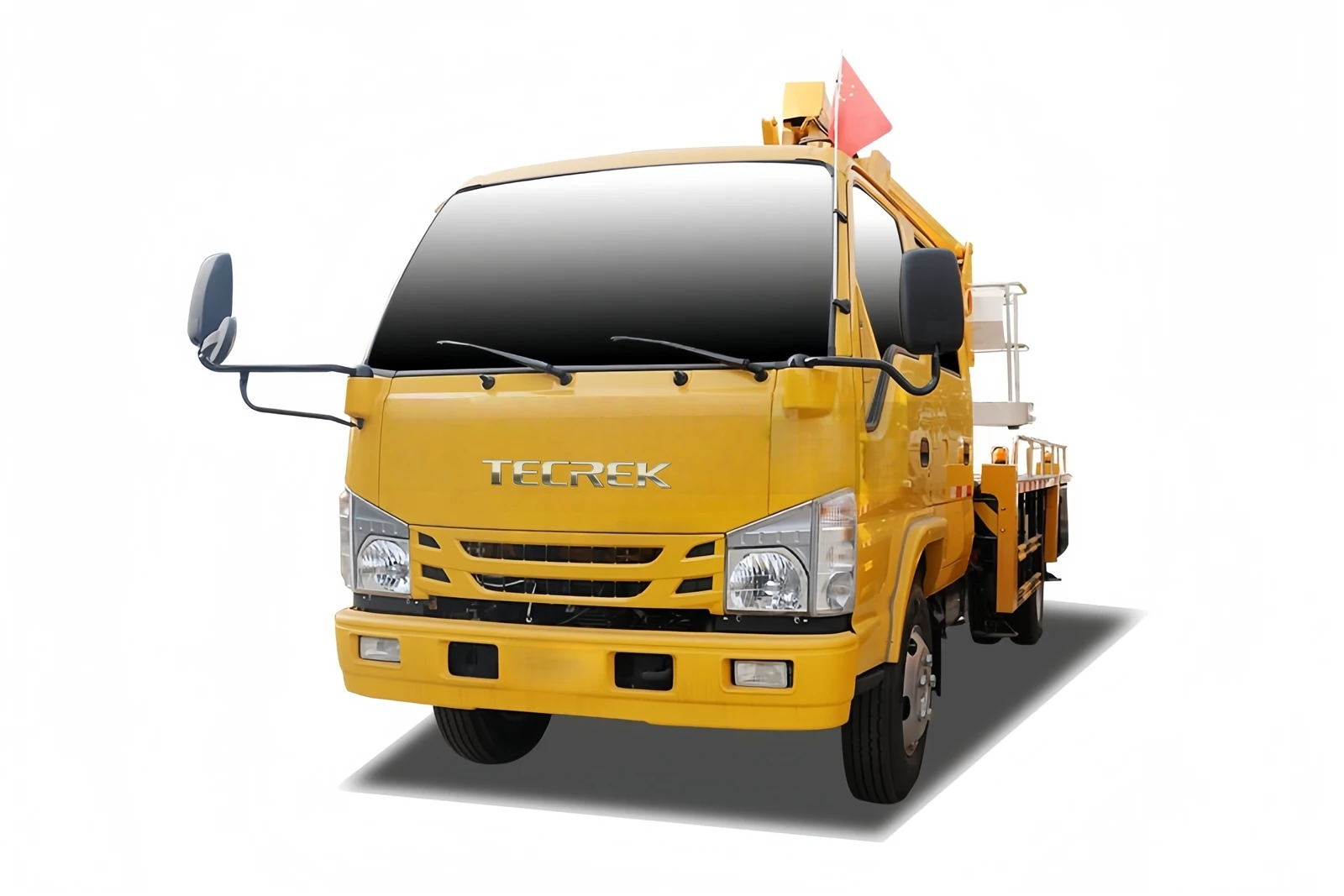
II. Technological upgrades reshape product standards
Over the past five years, technological upgrades have significantly changed the engineering direction of the Aerial Work Platform Truck sector.
(1) Hydraulic System improvements
Advanced Hydraulic Cylinders, Flow-control Valves, and Load-holding Valves ensure the smoothness of the lifting process and the safety during high-altitude operations. These improvements comply with global safety requirements for Hydraulic Lifting Equipment.
(2) Articulated Boom Structures design
The continuous upgrading of Articulated Boom Lift design enables operators to reach complex positions that straight-arm equipment cannot reach, especially in urban environments with narrow spaces.
(3) Safety Interlock and Monitoring
Modern equipment now has the following functions: Overload Protection
Outrigger Interlocking
Bucket Self-leveling
Alarm/Warning Feedback
These features reduce the risk of operations and comply with international standards for aerial work equipment.
III. Core Points of Greatest Concern for Wholesalers
Distributors and fleet operators - the main purchasers in the global market, typically focus on four aspects:
Structural Durability: A sturdy chassis, reinforced boom, and protected hydraulic lines help extend the service life. Lower failure rates mean higher rental uptime.
Maintenance Convenience: Simplified component layout, standardized parts, and easily accessible hydraulic systems significantly reduce maintenance costs for large fleets.
Application Versatility: The Aerial Work Platform Truck with 360° Rotation, Multi-section Folding Boom, and Adjustable Outriggers can cover more operation scenarios, enhancing the Return on Investment.
Regulatory Compliance: Export markets usually require CE, ANSI, or local certifications. Compliance can increase equipment recognition and ensure that users can legally operate the equipment in regulated regions.
IV. Industry Trends: Transition from Equipment Manufacturing to Operational Solutions
As the global market matures, the Aerial Work Platform industry is transitioning from purely mechanical manufacturing to a service-oriented model. This includes: Remote Diagnostic Capability
Data-based Operation Management
Smart Control Systems
Digital Safety Logs
These developments have elevated the value of Boom Lift Trucks from basic tools to operational platforms.
Furthermore, environmental regulations have prompted manufacturers to adopt Energy-saving Hydraulic Pumps and Low-emission Engines, and in some markets, Hybrid-powered Truck-mounted Lifts have also been introduced.
V. Manufacturer Development Suggestions for the Next 3-5 Years
To remain competitive in the expanding global market, manufacturers should consider the following points:
Strengthen System Integration: Integrate chassis engineering, Hydraulic Systems, Electronic Control, and operator safety functions into a unified product platform.
Enhance Export Market Compliance: Meeting international standards can build trust with distributors and reduce downstream risks.
Support Customization: Municipalities, power grid companies, and leasing companies usually require customized Work Buckets, Toolboxes, Sensors, or Lighting Systems.
Build a Spare-parts Ecosystem: A fast-response spare-parts supply chain is crucial for overseas wholesale customers who value equipment utilization rates. Conclusion
The emergence of globally demanded efficient and safe aerial work platforms, boom lift trucks and articulated boom lifts has ensured a stable demand for these products. As the urban modernization process accelerates and the number of infrastructure facilities increases, this industry will continue to grow, and aerial work vehicles will develop towards higher safety and more advanced applications.