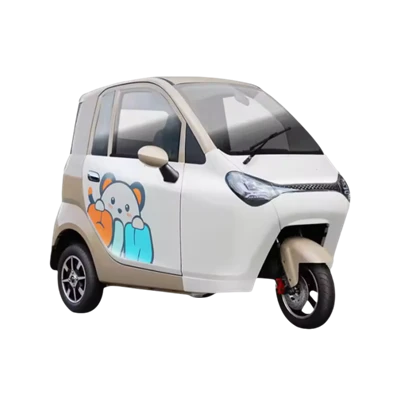

The development trend of the electric tricycle market
I.The rush to purchase and exchange has ushered in a new era for electric tricycles.
Since 2010, electric tricycles have entered a rapid development stage and have been in this state for over a decade. As the average lifespan of electric tricycles is 5 to 10 years, and they have become a necessary means of transportation and delivery for residents in rural and township areas, the initial buyers of these electric tricycles will enter a trend of replacing and purchasing the second and third vehicles within the next two years.
Furthermore, since 2019, many local governments have issued regulations, including low-speed electric vehicles in the key areas of traffic safety law enforcement inspections. They have formulated disposal methods for in-use vehicles and set a three-year transition period. They encourage the accelerated elimination of in-use low-speed electric vehicles through methods such as replacement, repurchase, and scrapping. By December 31, 2021, the three-year transition period will come to an end. Therefore, in the past one or two years, users who have traded in or repurchased electric vehicles will turn to purchasing three-wheeled electric vehicles that meet the "National IV" standards. Due to the large market share before, there has been a wave of large-scale replacement and purchase of electric three-wheelers.
II.New battery technologies and intelligence bring about a new trend in the industry
In the past, the batteries of electric tricycles mainly used lead-acid batteries. However, lead-acid batteries have low specific energy and a relatively short lifespan, and the discarded lead-acid batteries can cause heavy metal pollution to the environment. After the new national standards were introduced, there are clear regulations on the weight and speed of electric vehicles. In the future, lead-acid batteries will gradually withdraw from the market.
With the advancement of battery technology, graphene batteries will be applied in electric tricycles. Graphene batteries are a type of new energy battery developed by leveraging the characteristic that lithium ions rapidly and abundantly shuttle between the surface of graphene and the electrodes. The weight of graphene polymer material batteries is only 50% of that of traditional batteries, and the cost will be 77% lower than that of lithium batteries. Moreover, the increase in the single-cell energy density of this battery enhances the range of electric tricycles and increases the mileage. As battery is an important component of electric vehicles, the advantages of reduced weight and low cost of graphene batteries are more in line with the new national standards, which will also become a new turning point for the development of the electric tricycle industry.
In the future, the foundation and supporting capabilities for intelligent manufacturing will be significantly enhanced, and brand manufacturers of electric tricycles will gradually shift towards "intelligent production". To continuously meet the upgrading needs of the audience, functions such as intelligent prompts, anti-slip and anti-sliding, and electric folding will be introduced. Products with greater technological and intelligent features will trigger a new trend in electric single-wheel vehicles.