


Introduction
From Utility to Innovation
Historically, white vans have symbolized reliability and practicality in logistics and passenger transport. However, the global shift toward carbon neutrality has redefined their purpose. According to the International Energy Agency (IEA), electric light commercial vehicles (e-LCVs) now account for over 5% of new van registrations worldwide, a number expected to double by 2030.
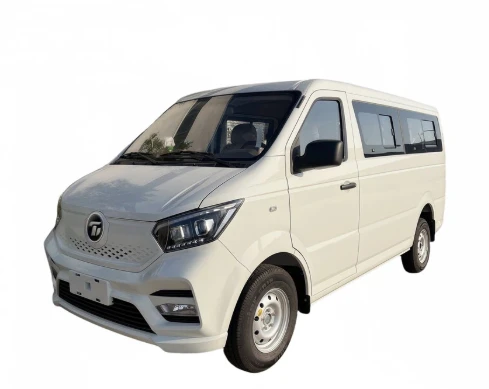
The rise of electric custom white vans demonstrates how fleet operators are prioritizing efficiency and emission reduction. No longer limited to deliveries, these vans now serve as commuter shuttles, airport transfers, and mobile service units-proving that versatility remains their strongest attribute.
The Role of Electrification in Fleet Transition
Electrification is reshaping every aspect of fleet management. Traditional diesel vans, while powerful, face mounting challenges due to fuel costs, urban emission restrictions, and maintenance demands. In contrast, new custom white vans powered by lithium iron phosphate or ternary lithium batteries offer an efficient alternative with operating cost reductions of up to 60% over their lifespan.
Fleet operators adopting electric vans also benefit from government incentives, carbon credit systems, and lower total cost of ownership (TCO). Countries across Europe and Asia are implementing stricter CO₂ limits, pushing logistics and passenger transport providers to transition sooner rather than later.
Technology Driving the Change
The technological progress in batteries and electric drive systems has made custom white vans for fleet use both feasible and profitable. High-density batteries like CATL's LFP chemistry now provide up to 250–300 km of range, which is sufficient for urban logistics and intercity passenger routes.
Additionally, the integration of intelligent battery management systems (BMS) and fast-charging capabilities has minimized downtime. Smart telematics and remote monitoring systems allow operators to track performance, energy consumption, and vehicle health in real time. This combination of technology and practicality is why electric vans are becoming a core component of sustainable mobility strategies.
Market Trends and Regional Insights
The demand for custom white vans is not limited to developed economies. Emerging markets in Southeast Asia, the Middle East, and Africa are rapidly adopting EV vans for ride-sharing and public transport. Urban congestion and rising fuel costs have made compact electric vans a cost-effective solution for local fleets.
In China, for example, policies encouraging electric commercial vehicles have driven mass adoption, with tens of thousands of units produced annually. Meanwhile, in Europe, the "Clean Transport Directive" mandates low-emission vehicles for municipal and business fleets. As a result, electric custom white vans are expected to represent nearly 30% of the European van market by 2030.
Sustainability and Corporate Responsibility
Beyond operational benefits, the shift toward electric vans aligns with broader sustainability objectives. Businesses that integrate custom white vans into their fleets not only reduce CO₂ emissions but also enhance their environmental reputation. For global brands, sustainable logistics is becoming a key metric for ESG (Environmental, Social, and Governance) reporting.
Moreover, the growing availability of renewable energy-such as solar and wind-means that charging electric vans can increasingly rely on green electricity, further improving lifecycle carbon performance.
Challenges Ahead
Despite the progress, the transition to fully electric fleets is not without obstacles. Battery recycling, infrastructure expansion, and upfront cost remain critical issues. Charging networks, particularly in developing regions, are still limited. However, advancements in battery energy density and charging standards (GB, CCS2, CHAdeMO) continue to improve usability and accessibility.
Industry analysts predict that once the cost of battery packs falls below $80 per kWh, electric vans will reach price parity with diesel models. When that happens, new custom white vans will no longer be a niche option but a mainstream fleet standard.
The Road Ahead
Looking forward, the future of light commercial transport is clearly electric. The integration of AI-based route optimization, vehicle-to-grid (V2G) systems, and autonomous driving technologies will further redefine how fleets operate. For logistics companies, taxi operators, and shuttle services, investing in electric van technology is not just an environmental decision-it's a strategic one.
As the industry evolves, custom white vans for business use will continue to lead this transformation, offering flexibility, sustainability, and innovation for the next generation of mobility solutions.