


Introduction: A Quiet Revolution on Three Wheels
Across developing cities and crowded urban streets, a quiet revolution is unfolding. Electric three-wheelers-sometimes called e-trikes or e-3Ws-are redefining how people and goods move through modern cities. What began as an affordable transport solution in Asia has now evolved into a globally recognized clean mobility trend.
Unlike traditional motorized tricycles, electric models combine zero-emission efficiency with low operating costs. For many countries, they represent not just a vehicle, but a pathway to cleaner, more sustainable transport systems.
Market Growth and Global Outlook
Industry analysts project that the global electric three wheeler market will expand from around USD 3.4 billion in 2024 to nearly USD 12.8 billion by 2032. This rapid growth, averaging about 16% annually, is driven by government incentives, battery technology improvements, and the booming demand for affordable urban mobility.
Asia-Pacific remains the industry's powerhouse, particularly China and India, which account for the largest production and sales volumes. Meanwhile, regions such as Africa, Latin America, and the Middle East are catching up as energy prices rise and low-cost electrified transport becomes essential for city logistics.
Key takeaway: Electric tricycles are no longer regional-they're becoming a global business opportunity for importers, fleet operators, and distributors.
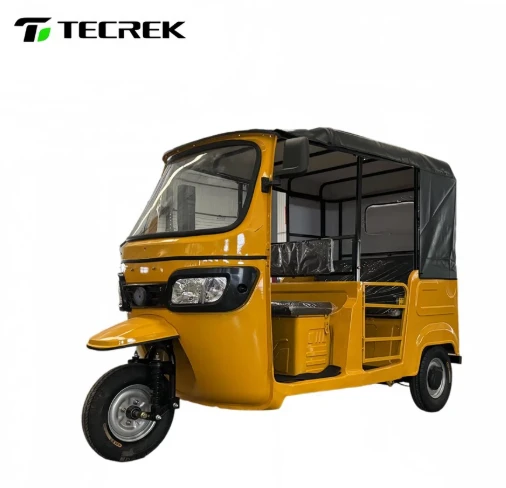
Core Drivers Behind the Electric Tricycle Boom
1. Environmental Responsibility and Policy Support
Governments are tightening emission regulations, pushing fleets toward electric alternatives. Electric three-wheelers help cities reduce carbon output while improving air quality-especially in dense areas where two- and three-wheel vehicles dominate.
2. The Logistics Revolution
E-commerce has reshaped the delivery industry. For last-mile delivery, electric cargo tricycles offer unmatched practicality: compact size, low noise, and zero fuel costs. Logistics firms in India, Thailand, and the Philippines are already replacing small vans and scooters with e-3Ws for shorter routes.
3. Advances in Battery and Charging Technology
Battery innovation has been central to the sector's rise. The shift from lead-acid to lithium-ion batteries has extended driving range, reduced vehicle weight, and increased energy efficiency. Battery-swapping systems are also gaining popularity, especially in Asia, to minimize downtime.
4. Reduced Total Cost of Ownership (TCO)
While upfront prices can be slightly higher, electric tricycles save substantially over time. Energy costs are lower, maintenance needs minimal, and many governments offer financial incentives. For fleet operators, this combination often leads to faster payback periods than gasoline models.
Industry Segments and Use Cases
Electric three-wheelers serve diverse markets and applications:
Passenger Models: Commonly used for urban commuting, ride-hailing, or tourism.
Cargo Models: Increasingly adopted for deliveries, equipped with storage boxes or enclosed cabins.
Utility and Municipal Uses: From waste collection to mobile vending, municipalities are integrating e-trikes for daily operations.
Keyword focus: passenger electric tricycle, cargo electric tricycle, e-3W delivery vehicle, lithium battery technology.
Challenges Limiting Wider Adoption
Despite strong momentum, several obstacles remain:
Battery cost and supply constraints continue to challenge manufacturers.
Charging infrastructure is uneven across regions.
Vehicle certification and safety standards differ between countries.
Battery recycling and disposal remain developing areas of policy.
However, new collaborations between battery producers, local governments, and logistics companies are gradually closing these gaps.
Future Trends: What's Next for the E-3W Industry
Localized Manufacturing – Manufacturers are establishing regional assembly plants to lower logistics costs and meet local regulations.
Smart Connectivity – Telematics and IoT integration are enabling real-time vehicle tracking and predictive maintenance.
Battery Leasing Models – Innovative financing structures allow buyers to lease batteries separately, reducing upfront costs.
Lightweight Design & New Materials – Aluminum and composite frames are improving performance and energy efficiency.
Fleet Electrification Partnerships – Major delivery and ride-hailing firms are forming alliances with e-3W suppliers to scale up adoption.
Opportunities for International Buyers
For importers and distributors, the electric tricycle market offers tremendous growth potential. When selecting a supplier, key considerations include:
Battery chemistry and warranty terms
Compliance with export and local safety standards
Motor capacity, range, and load performance
Availability of spare parts and technical support
Businesses that enter this market early will not only secure competitive pricing but also position themselves within a fast-growing clean mobility ecosystem.
Conclusion: The Road Ahead
Electric three wheelers are moving from a niche transport option to a mainstream component of the urban mobility network. Their ability to deliver efficiency, affordability, and sustainability places them at the heart of the global EV transformation.
For businesses and policymakers alike, the e-3W sector represents more than a market trend-it's a movement reshaping how the world moves.