


Introduction
Amid growing attention to the "Small-Electric-Vehicle Price Surge," this trend underscores not only public interest in low-speed electric vehicles (micro EVs), but also the complex push-and-pull between smart upgrades and rising cost pressures and market demand.
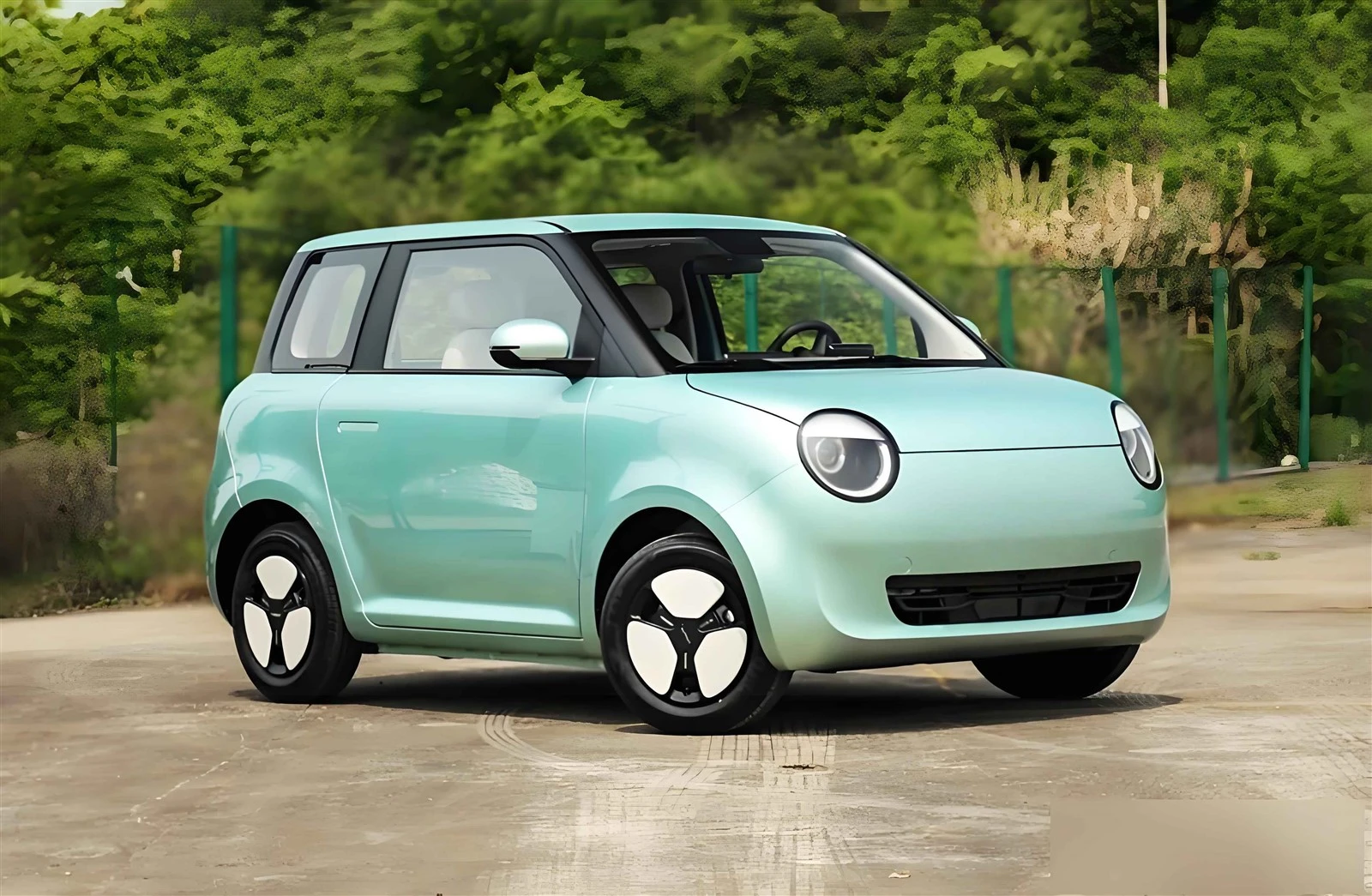
1. Why Are We Seeing the "Small-Electric-Vehicle Price Surge"?
1.1 Higher Costs from Smart Features
Manufacturers of micro EVs increasingly incorporate smart control systems, connectivity, and higher energy-density batteries. While these enhancements improve user experience, they also drive up production and R&D costs-contributing directly to the "Small-Electric-Vehicle Price Surge."
1.2 Battery Costs and Supply-Chain Squeezing
Fluctuations in lithium battery material prices, supply chain constraints, and raw-material shortages render cost-control challenging for low-speed electric vehicles, leaving companies with little room to avoid passing expenses onto consumers.
1.3 Shrinking Subsidies and Policy Shifts
In many regions, subsidies for electric micro EVs have diminished. Without these incentives, affordability is further compromised, amplifying the "Small-Electric-Vehicle Price Surge."
2. Market Demand Trends Amid Rising Prices
2.1 Strong Urban Commuter Demand
Despite the "Small-Electric-Vehicle Price Surge," urban commuters often continue choosing micro EVs for their compact size and ease of parking, keeping demand resilient in short-distance travel markets.
2.2 Demand vs. Cost-A Delicate Feedback Loop
As the market hopes for an affordability trend in micro EV pricing, rising costs risk dampening consumer enthusiasm. This negative feedback loop makes balancing demand and pricing even more critical.
2.3 Substitutes and Competitive Threats
Price hikes make traditional bicycles, e-bikes, and used vehicles more appealing. If micro EVs stray too far from affordability, consumers may shift toward these cost-effective alternatives.
3. Industry Responses and Emerging Trends
3.1 Optimizing Supply Chains and Scalability
By consolidating battery procurement, streamlining suppliers, and scaling production, manufacturers can ease cost burdens and mitigate reasons behind the price surge.
3.2 Embracing Modular Design and Lightweight Materials
Using modular manufacturing techniques and lighter materials helps reduce production costs and improve manufacturing scalability-critical to counteracting the "Small-Electric-Vehicle Price Surge".
3.3 Expanding Into Value-Added Services
Instead of relying solely on hardware, firms can grow revenue through post-sale services: smart connectivity, sharing platforms, maintenance packages, and more-offsetting pricing pressure and diversifying profit streams.
Conclusion
The "Small-Electric-Vehicle Price Surge" reflects an industry wrestling with the dual demands of smart technology and cost efficiency. To realign with the affordability trend, micro EV makers must leverage technological innovation, supply-chain optimization, and service-based strategies to balance profitability and consumer acceptance. Ultimately, the future health of the micro EV market hinges on how well cost management aligns with evolving urban mobility demand.