


1. The Environmental Imperative Driving Adoption
1.1 Carbon Footprint Reduction
The transportation sector accounts for approximately 24% of global CO₂ emissions, with urban delivery vehicles contributing significantly to this figure. Electric cargo tricycles produce zero tailpipe emissions, with a recent University of Amsterdam study showing they can reduce last-mile delivery emissions by up to 90% compared to diesel vans in urban centers. Major corporations are taking notice - Amazon's "Electric Last Mile" initiative plans to deploy 100,000 e-cargo trikes across Europe by 2025.
1.2 Noise Pollution Mitigation
Unlike traditional delivery vehicles that generate 70-90 dB of noise, electric freight trikes operate at just 55-60 dB - about the volume of a normal conversation. This makes them ideal for early morning or late-night deliveries in residential areas where noise restrictions often limit delivery windows.
1.3 Urban Space Optimization
A standard delivery truck occupies about 10 square meters of parking space, while a three-wheeled electric freight vehicle requires just 2-3 square meters. In dense cities like Tokyo or New York where parking spaces can cost $600/month, this space efficiency translates to significant operational savings.
2. Technical Specifications and Performance Metrics
2.1 Powertrain and Battery Systems
Modern electric cargo tricycles typically feature:
48V or 60V lithium-ion battery systems
1000-3000W hub motors
Regenerative braking systems
80-120 km range per charge
2-4 hour fast charging capability
Leading manufacturers like Rad Power Bikes and Niu Technologies are now offering modular battery systems that allow hot-swapping in under 60 seconds, dramatically improving uptime for commercial operators.
2.2 Load Capacity and Vehicle Configurations
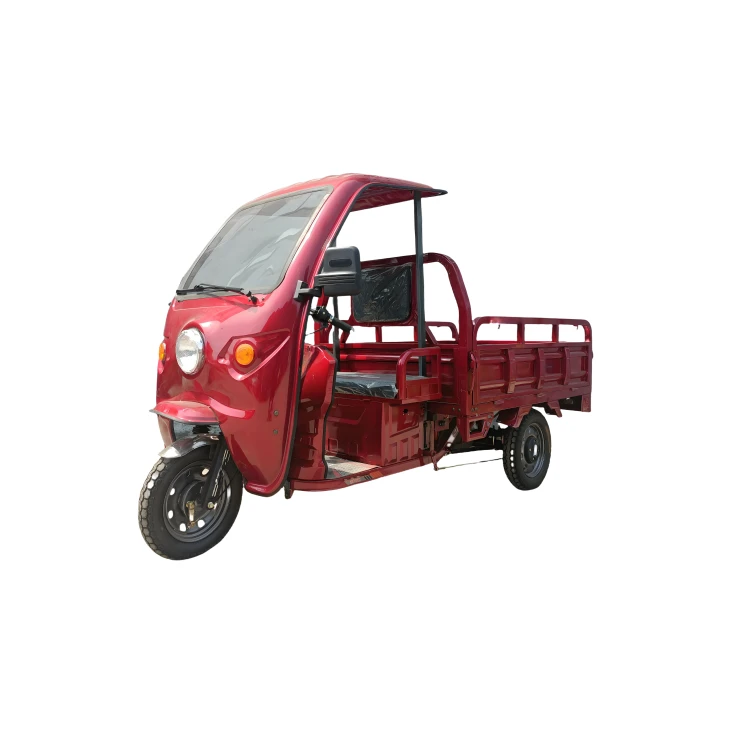
Unlike their traditional bicycle counterparts, motorized freight trikes boast impressive payload capabilities:
| Configuration | Max Payload | Common Uses |
|---|---|---|
| Flatbed | 300-500kg | Construction materials, bulk goods |
| Enclosed box | 200-400kg | Parcel delivery, refrigerated goods |
| Tilt-bed | 150-300kg | Wheelchair accessible models |
| Custom chassis | Up to 1000kg | Specialized industrial applications |
The Netherlands' Carqon cargo trike holds the current payload record at 1200kg, demonstrating the remarkable evolution of these vehicles.
3. Economic Advantages for Businesses
3.1 Total Cost of Ownership Analysis
A comparative study by the International Transport Forum revealed compelling financial benefits:
| Cost Factor | Diesel Van | E-Cargo Trike |
|---|---|---|
| Purchase Price | $35,000 | $8,000 |
| Annual Fuel | $4,200 | $300 |
| Maintenance | $2,500 | $500 |
| Parking/Tolls | $3,000 | $200 |
| 5-Year TCO | $61,700 | $12,500 |
This 80% cost reduction explains why 73% of small businesses surveyed by McKinsey are considering transitioning to electric freight trikes for local deliveries.
3.2 Operational Efficiency Gains
Field tests by DHL showed that e-cargo trikes completed 20% more deliveries per shift in urban cores due to:
Ability to use bike lanes and pedestrian zones
Elimination of parking ticket expenses
Reduced loading/unloading times
Access to low-emission zones where conventional vehicles face restrictions
4. Global Adoption Trends and Case Studies
4.1 European Pioneers
Amsterdam's "Zero Emission Delivery" mandate has led to over 5,000 electric cargo tricycles operating in the city. The municipal government offers €3,000 subsidies per vehicle, resulting in:
42% reduction in delivery-related emissions since 2018
28% decrease in delivery vehicle congestion
Creation of 1,200 green logistics jobs
4.2 Asian Market Boom
China's three-wheeled electric freight vehicle market grew 67% year-over-year in 2022, with over 2 million units sold. Alibaba's Cainiao logistics arm operates a fleet of 100,000 customized e-trike units featuring:
Weatherproof cargo compartments
RFID inventory tracking
AI-powered route optimization
4.3 North American Adoption
While slower to embrace the trend, U.S. cities are now catching up:
New York's DOT approved motorized freight trikes for commercial use in 2023
UPS has deployed 500 e-cargo trikes across California
Start-ups like Zoomo have raised $80M to expand shared electric freight trike fleets
5. Future Innovations on the Horizon
5.1 Autonomous Delivery Systems
Companies like Starship Technologies are testing self-driving electric cargo tricycles equipped with:
LIDAR obstacle detection
Computer vision navigation
Predictive traffic algorithms
Early pilots at Arizona State University showed 98% on-time delivery rates with zero accidents.
5.2 Vehicle-to-Grid Integration
Next-gen models are being designed as mobile power banks:
10kWh batteries can power small businesses during outages
Solar roof options provide 20-30km of additional daily range
Smart charging systems optimize for off-peak electricity rates
5.3 Material Science Breakthroughs
New developments include:
Graphene-enhanced batteries with 400km ranges
Self-healing tires that eliminate punctures
3D-printed aluminum frames reducing weight by 40%
6. Overcoming Adoption Challenges
Despite their advantages, electric freight trikes face some barriers:
6.1 Regulatory Hurdles
Many cities lack clear classifications for these vehicles, creating legal ambiguities regarding:
Road access permissions
Licensing requirements
Insurance frameworks
6.2 Infrastructure Needs
Widespread adoption requires investment in:
Dedicated charging stations
Secure parking facilities
Maintenance networks
6.3 Safety Considerations
Manufacturers are addressing concerns through:
Anti-rollover stability systems
Enhanced lighting and signaling
Driver training programs
Conclusion: The Road Ahead for Sustainable Urban Logistics
As urban centers continue to grow and environmental regulations tighten, electric cargo tricycles are poised to become a cornerstone of sustainable city logistics. Their unique combination of zero emissions, operational efficiency, and economic advantages makes them irresistible for businesses and municipalities alike. With continued technological innovation and supportive policies, three-wheeled electric freight vehicles could capture 30-40% of the urban last-mile delivery market by 2030 according to BloombergNEF projections.
The transition to e-cargo trikes represents more than just a vehicle replacement - it's a fundamental reimagining of urban mobility that balances economic needs with environmental responsibility. As more cities embrace this solution, we may soon see the day when quiet, clean electric freight trikes completely replace noisy, polluting delivery vans in our city centers.