


A surprising shift is unfolding in China's electric vehicle (EV) market: low-range models (200-300 km per charge) are outselling their long-range counterparts, defying the global narrative that "more range equals better." Data from the China Passenger Car Association (CPCA) reveals that low-range EVs accounted for 45% of domestic EV sales in Q2 2025, up from 28% in 2023. This trend offers critical insights into evolving consumer priorities and the future of urban mobility.
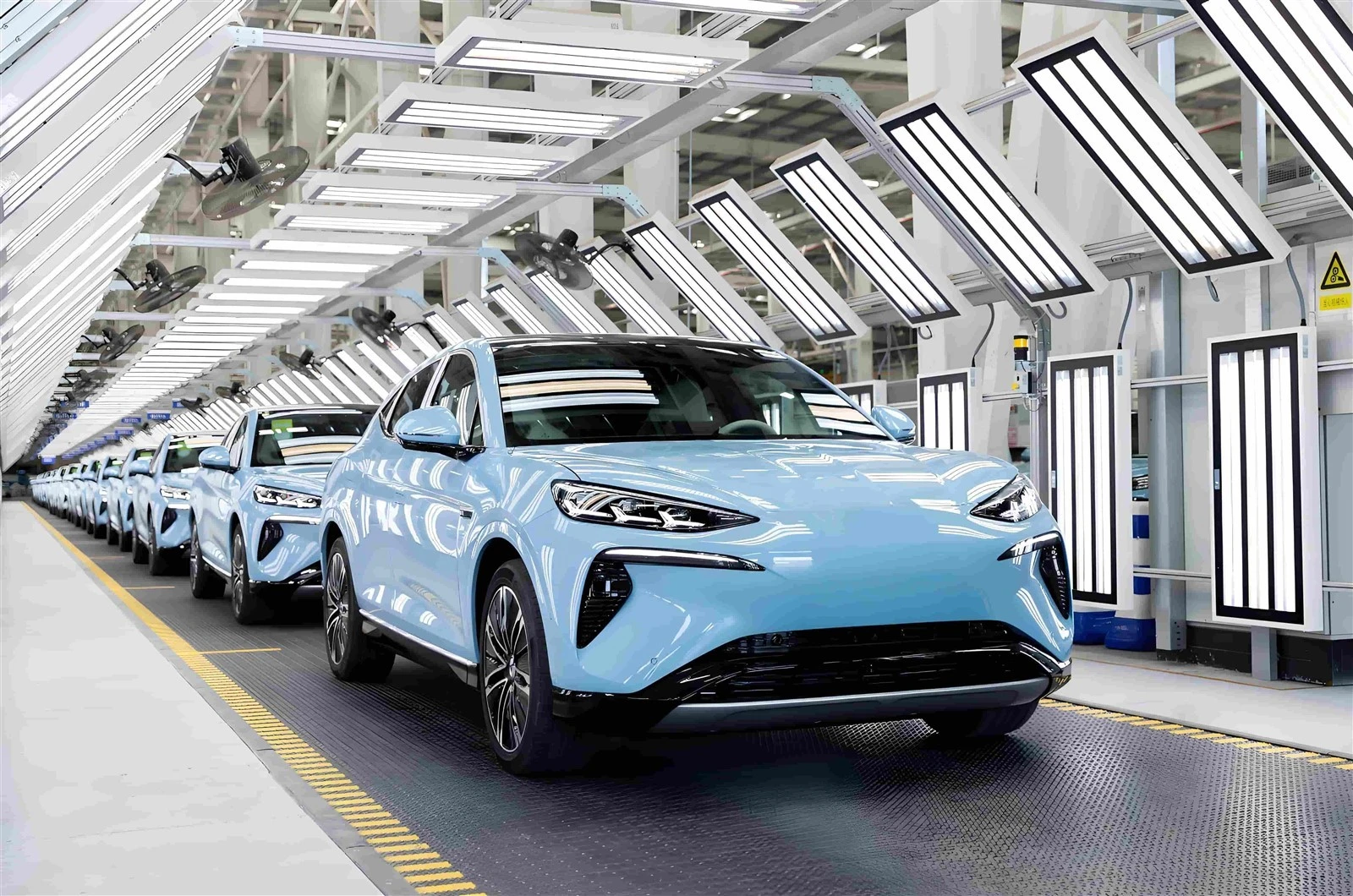
Affordability Drives Adoption
Price remains the primary catalyst.
Low-range EVs, such as the Wuling Hongguang Mini EV (starting at $4,500), cost 50-60% less than long-range models like the Tesla Model 3. For millions of Chinese households purchasing their first car-often for urban commuting-this price gap is decisive. A 2024 survey by McKinsey found that 72% of low-range EV buyers cited "value for money" as their top reason, compared to 31% prioritizing maximum range.
"Chinese consumers are pragmatic," notes Dr. Li Wei, an automotive economist at Peking University. "Why pay for 600 km range when 200 km covers daily needs? It's about matching the car to its use case."
Urban Lifestyles Reduce Range Anxiety
China's dense cities and short-distance travel patterns minimize the need for long-range capabilities.
The average daily commute in Beijing and Shanghai is 32 km, well within the 200-300 km range of budget EVs. Meanwhile, charging infrastructure in urban areas has expanded rapidly: there are now 1.2 million public chargers in China, with 70% located in residential complexes and shopping centers. This accessibility eliminates "range anxiety" for city dwellers.
Shared mobility and ride-hailing further reduce reliance on personal vehicle range. Apps like Didi Chuxing offer long-distance EV rides, allowing low-range EV owners to supplement their vehicles for occasional trips.
Policy and Technological Shifts
Government incentives play a role.
While subsidies for high-range EVs have tapered, local governments continue to offer tax breaks and license plate privileges for low-range models in congested cities like Guangzhou. Additionally, advancements in fast-charging technology-80% of low-range EVs now support 30-minute charging-make them more versatile than older models.
Automakers are responding: BYD launched its Dolphin Mini (250 km range) in 2024, selling 300,000 units in six months, while Volkswagen's joint venture with JAC Motors introduced a low-range ID.1 variant targeting first-time buyers.
Global Implications
This trend challenges assumptions about EV adoption in other markets.
In Europe, where average commutes are longer (47 km in Germany), low-range EVs currently hold a 15% market share. However, analysts predict this could rise as urban charging networks mature.
"China's experience shows that EVs don't need to be 'one-size-fits-all'," says Sarah Johnson of the International Energy Agency. "Low-range models could accelerate EV adoption in emerging economies and dense European cities, where affordability and urban use cases mirror China's."
Criticisms and Counterpoints
Critics argue that low-range EVs may become obsolete as battery costs fall.
However, proponents highlight their lower environmental impact: producing a low-range EV generates 35% less carbon than a long-range model, aligning with China's carbon neutrality goals.
As CPCA's latest report concludes: "The rise of low-range EVs isn't a step back-it's a step toward rational, sustainable mobility. Consumers are choosing what works for them, not what's marketed as 'best'."
In a market once obsessed with range figures, China's shift to practicality signals a maturing EV ecosystem-one that prioritizes real-world needs over technological one-upmanship.