


I. Basic Structure: Simple yet Crucial Design
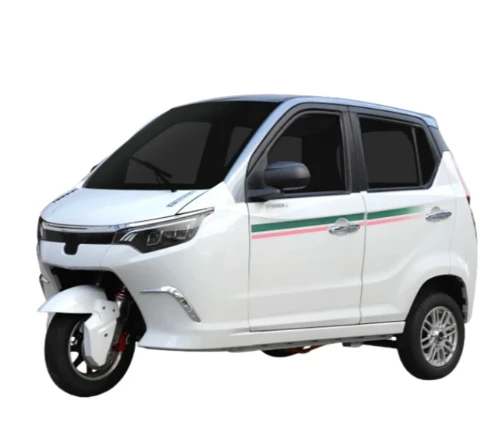
The core structure of an electric tricycle is built around the "electricity - power - driving" system. It relies on a battery as the energy source. Common types such as lead - acid batteries and lithium - ion batteries provide electrical support for the vehicle. The motor, acting as the "power heart", converts electrical energy into mechanical energy to drive the wheels to rotate. The frame functions like a "skeleton", bearing the weight of the vehicle body, passengers, and goods while ensuring driving stability. Despite its relatively simple structure, each component is meticulously designed - the battery capacity determines the driving range, the motor power influences the strength of the power output, and the frame material and structure are related to safety and durability, jointly laying a solid foundation for daily use.
II. Diverse Functions: Covering Multiple Life Scenarios
(I) Travel and Commuting: Flexible and Convenient
In short - distance travel scenarios, electric tricycles offer significant advantages. Their compact and flexible bodies can easily navigate through congested urban roads and narrow alleys, avoiding the hassle of traffic jams. For the elderly and commuters, they are a "worry - free choice" - no complex driving operations are required, and they are easy to master; the cost of charging is far lower than that of fuel - powered vehicles. Charging once, a few yuan can meet the short - distance travel needs for several days, making them economical and affordable. In some communities and around campuses, residents and students ride them to and from home - school and markets, becoming a "good partner" for daily travel.
(II) Production and Business Operations: Assisting "Small Businesses"
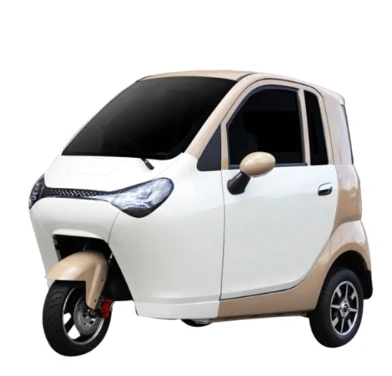
Electric tricycles also serve as a "capable assistant" for small - scale businesses. Fruit vendors on the streets use them to carry a full load of fresh fruits and flexibly travel through morning markets and residential areas; Couriers ride them to efficiently deliver packages, reaching every corner of the city; In rural areas, farmers drive them to transport agricultural materials and products, building a "transportation bridge" between the fields and the market. Their cargo compartment space can be flexibly adjusted to fit different cargo sizes, and the load - bearing capacity ranges from several hundred catties to over a thousand catties, meeting the needs of small - batch transportation, reducing operating costs, and becoming a "mobile stall" and "delivery tool" for many small - scale business operators.
III. Safety and Regulations: Key Points in Usage That Cannot Be Ignored
With the popularization of electric tricycles, safe and regulated usage has become increasingly crucial. From the vehicle's perspective, regular checks of the battery status (to avoid over - charging and under - charging, which can prevent risks such as battery fires and shortened service life) and braking performance (to ensure sensitive braking and guarantee driving safety) are necessary. From the users' perspective, traffic rules must be followed - electric tricycles are classified as motor vehicles (some regions have classification management regulations). Legal vehicle registration is required, and drivers must obtain the corresponding driving licenses. When riding, safety helmets should be worn, and illegal passenger - carrying and excessive speeding should be avoided. Only by strictly adhering to the safety and regulatory bottom line can electric tricycles continue to play the role of a "versatile helper", adding value rather than chaos to life.
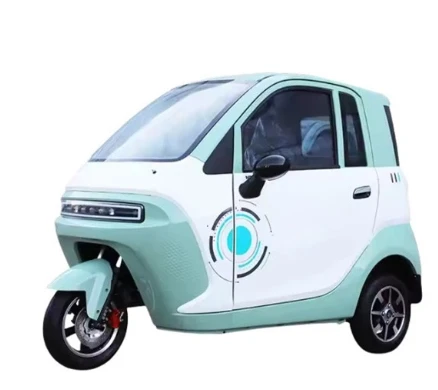
The electric tricycle, with its simple structure, carries multiple functions. From travel to business operations, it has deeply embedded itself in people's lives. By understanding its principles, making good use of its advantages, and strictly abiding by regulations, it can become a reliable and practical "partner" in daily life. In the traffic networks of cities and villages, it will continue to write small "chapters" of convenient living and also contribute unique strength to green travel and flexible business operations. It deserves our rational understanding and regulated usage to ensure that this "convenience" endures.