


China's breakthrough in mass-producing solid-state batteries (SSBs) is sending shockwaves through the global automotive sector, with EVs equipped with the technology now capable of exceeding 1,000km range and recharging in minutes-challenging the very existence of gasoline-powered vehicles. The milestone comes as Europe and North America intensify decarbonization efforts, with industry analysts warning that internal combustion engine (ICE) vehicles could become obsolete within a decade.
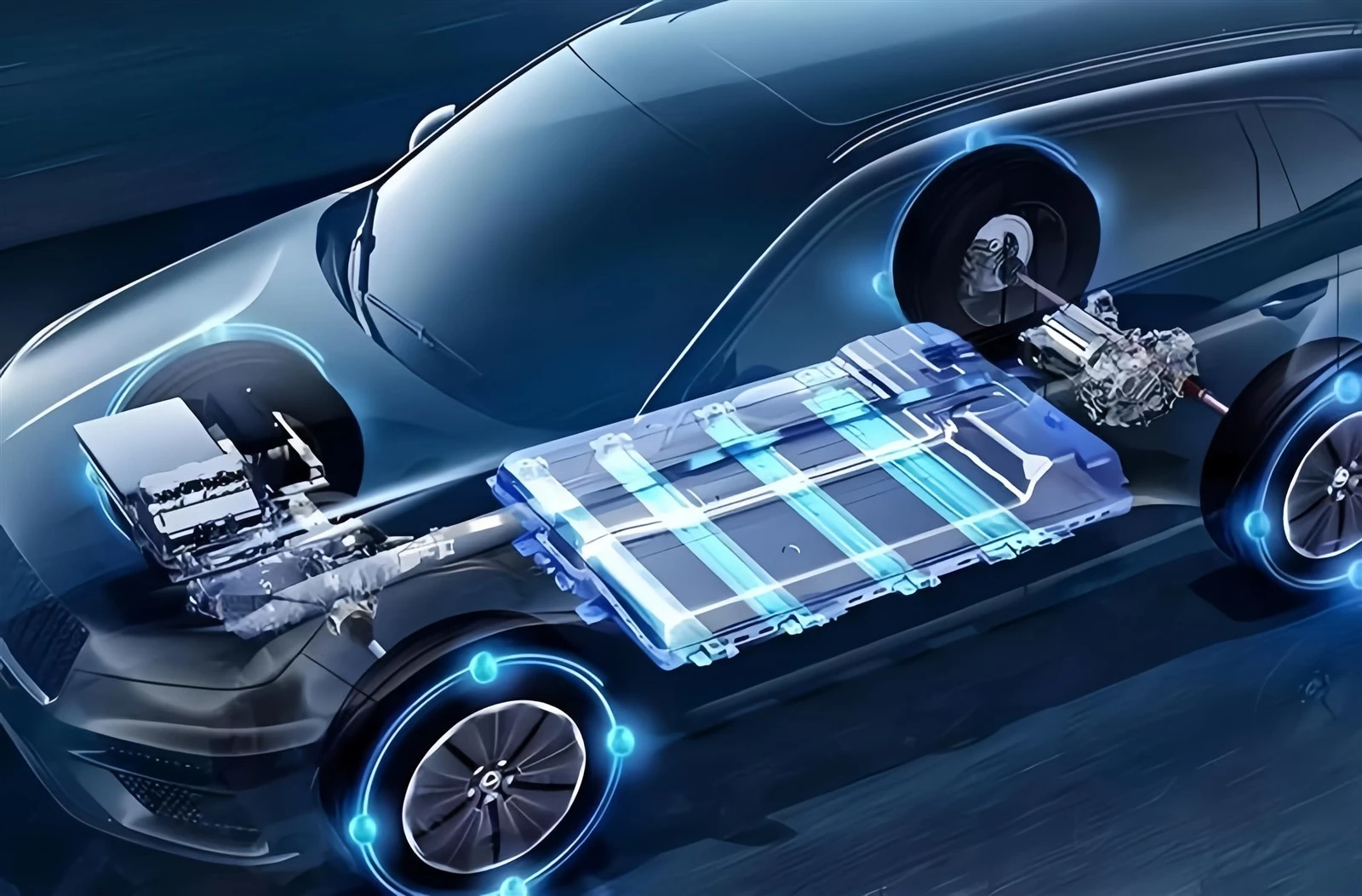
Technical Breakthrough Redefines EV Standards
I. Exceptional energy density, reshaping the benchmark for range
Chinese-manufactured solid-state batteries (SSBs) have set a new technical benchmark with an energy density reaching 470Wh/kg. This breakthrough directly translates to remarkable real-world performance in electric vehicles, as showcased by the Xpeng G9. Under stringent EPA testing protocols, the model achieves an unprecedented single-charge range of 1,020km-outperforming Tesla's longest-range offering by a substantial 35%. This gap not only highlights China's advancements in battery technology but also addresses a core consumer concern: range anxiety. For drivers, it means fewer stops during long journeys and greater confidence in daily commutes, marking a pivotal shift in how electric vehicles are perceived as practical alternatives to traditional cars.
II. Ultra-fast charging technology, rewriting the charging experience
The transformative appeal of these SSBs extends beyond range, with ultra-fast charging capabilities redefining convenience. When paired with 600kW high-power charging stations, these batteries can restore 80% of their capacity in just 10 minutes-a feat that matches the refueling speed of conventional internal combustion engine vehicles. This milestone eliminates one of the biggest barriers to electric vehicle adoption: lengthy charging times. Whether on a cross-country road trip or a quick errand, drivers can now recharge their vehicles in the same time it takes to refuel a gasoline car, making electric mobility as seamless and efficient as traditional transportation.
III. Dual Innovations in Safety and Durability
CATL, a leading innovator in the field, has further elevated SSB technology with its latest design, focusing on safety and longevity. By eliminating flammable liquid electrolytes-a staple in traditional lithium-ion batteries-the risk of thermal runaway is reduced by 90%, significantly enhancing vehicle safety. This critical improvement addresses a major concern in the industry, minimizing the potential for battery fires and instilling greater trust among consumers.
Global OEMs Rush to Adapt
Volkswagen Group has inked a €7 billion deal with Chinese supplier SVOLT to integrate SSBs into its European EV lineup by 2027.
In the U.S., General Motors has partnered with Michigan-based QuantumScape to accelerate SSB adoption, while California's Air Resources Board (CARB) has proposed advancing its ICE sales ban to 2030, citing SSB technology as a key enabler. "This isn't just an upgrade-it's a paradigm shift," says Dr. Michael Berube of Boston Consulting Group. "China's SSB mass production gives EVs parity with gasoline cars in convenience, while outperforming them in sustainability."
Supply Chain Repercussions
The breakthrough highlights China's dominance in next-gen battery tech, controlling 85% of global SSB patent applications.
This has triggered calls in the EU for strategic investments in domestic SSB R&D, with the European Battery Alliance earmarking €15 billion for solid-state projects. Meanwhile, oil majors like BP are reallocating assets from refineries to EV charging networks, anticipating a 60% drop in gasoline demand by 2040.
Challenges Ahead
While SSBs address range and charging anxieties, initial production costs remain 30% higher than lithium-ion batteries. However, economies of scale are expected to drive prices down: Chinese manufacturers project cost parity by 2028. "The writing is on the wall for ICE vehicles," concludes Berube. "SSBs make EVs the logical choice for consumers, not just an environmental obligation."
As China leads the SSB revolution, the automotive industry's transition to electrification appears irreversible-with profound implications for oil markets, supply chains, and the future of mobility.