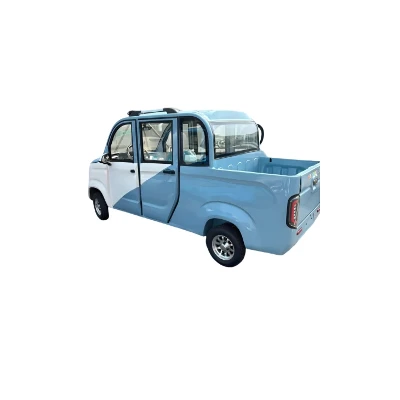

Modular Design Revolutionizes Manufacturing
The deep integration of modular design concepts has emerged as a highlight in the LSEV manufacturing sector. By breaking down vehicle structures into standardized modules, it achieves a dual boost in production efficiency and customized services:
Flexible Customization: Consumers can freely combine battery, interior, and functional modules according to their needs. For instance, adding storage modules can increase vehicle storage space by 40%, catering to various cargo-carrying scenarios.
Efficient Maintenance: Modular design simplifies component replacement, reducing maintenance time by 50% and significantly cutting down on costs.
Production Acceleration: The application of standardized modules shortens the production line cycle time by 30%, greatly enhancing efficiency, with daily output per production line reaching up to 200 units.
Breakthroughs in Green Energy Technologies
In the realm of energy technology, the LSEV industry is continuously exploring green and efficient solutions:
Solar-Powered Auxiliary Systems: New roof solar panel technology has achieved a photoelectric conversion efficiency of 25%. Even under average lighting conditions, it can provide an additional 30 kilometers of driving range per day.
Hydrogen Fuel Cell Application: Some pilot models have introduced micro hydrogen fuel cell range-extender systems, which can add 80 kilometers of range within just 5 minutes of hydrogen refueling, addressing the limitation of long-distance travel.
Optimized Kinetic Energy Recovery: The upgraded kinetic energy recovery system can increase the braking energy recovery rate to 35% in urban stop-and-go traffic, effectively improving overall vehicle energy efficiency.

Smart Mobility Ecosystem Takes Shape
The extensive integration of intelligent technologies has elevated the travel experience of LSEVs to a new level:
Intelligent Connectivity Systems: The new in-vehicle intelligent connectivity system supports real-time traffic analysis and intelligent navigation to charging stations. It also enables remote vehicle monitoring and fault warning through the Internet of Vehicles platform.
Autonomous Driving Explorations: In enclosed communities and industrial parks, LSEVs equipped with Level 2 autonomous driving technology have been put into trial operation, enabling functions such as automatic shuttle and delivery, reducing the accident rate by 70% compared to manual driving.
Upgraded Human-Machine Interaction: Large touchscreens combined with intelligent voice assistants achieve an operation response speed of 0.5 seconds, with user operation satisfaction reaching 92%.
Remarkable Expansion in Emerging Markets
Thanks to their economic and practical features, LSEVs have rapidly gained traction in global emerging markets:
Rise of the South American Market: In countries like Brazil and Argentina, LSEVs meet the travel needs of low- and middle-income groups, leading to a staggering 120% year-on-year sales increase in 2024.
Unleashing African Potential: In energy-scarce African regions, the operation cost of LSEVs is as low as $0.02 per kilometer, attracting numerous individual and corporate users, with a market share growth rate of 85% annually.
Localized Development: Major manufacturers are tailoring products to different markets, such as developing heat-resistant models for India and high-clearance wading models for Southeast Asia, further enhancing product competitiveness.
Industry Outlook
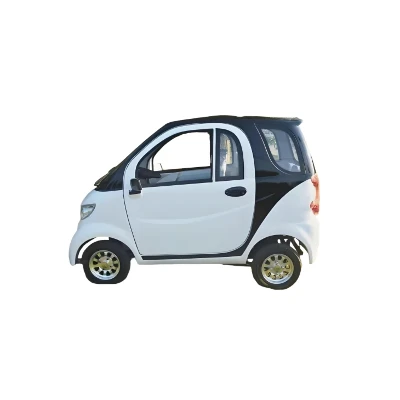
With continuous technological advancements and market expansion, the LSEV industry has a promising future:
Policy Standardization: Governments around the world are gradually improving relevant regulations. A unified set of safety and performance standards is expected to be established by 2027, safeguarding the healthy development of the industry.
Technological Convergence: The deep integration of artificial intelligence, the Internet of Things, and vehicle technologies will drive LSEVs towards a highly intelligent and connected future. By 2029, 50% of new vehicles are projected to feature advanced intelligent driving functions.
Market Expansion: According to authoritative forecasts, global annual sales of LSEVs are expected to exceed 15 million units by 2032, making them an important choice for urban short-distance travel and logistics distribution.
From technological innovation to market expansion, low-speed electric vehicles are accelerating their transformation from traditional transportation tools to smart green mobility solutions, with a future full of promise.