


The Mystery of Battery Lifespan Discrepancy: How Driving Habits Secretly Shorten Battery "Life"
During the use of electric vehicles or cars, many people wonder: Why do some people's batteries last for 3-5 years while others experience severe degradation in just one year? In fact, apart from the quality differences of the batteries themselves, the impact of driving habits on battery lifespan is far beyond imagination. This article will reveal the five most battery-damaging behaviors in daily driving and provide a scientific maintenance guide to help you extend the battery's "healthy cycle".
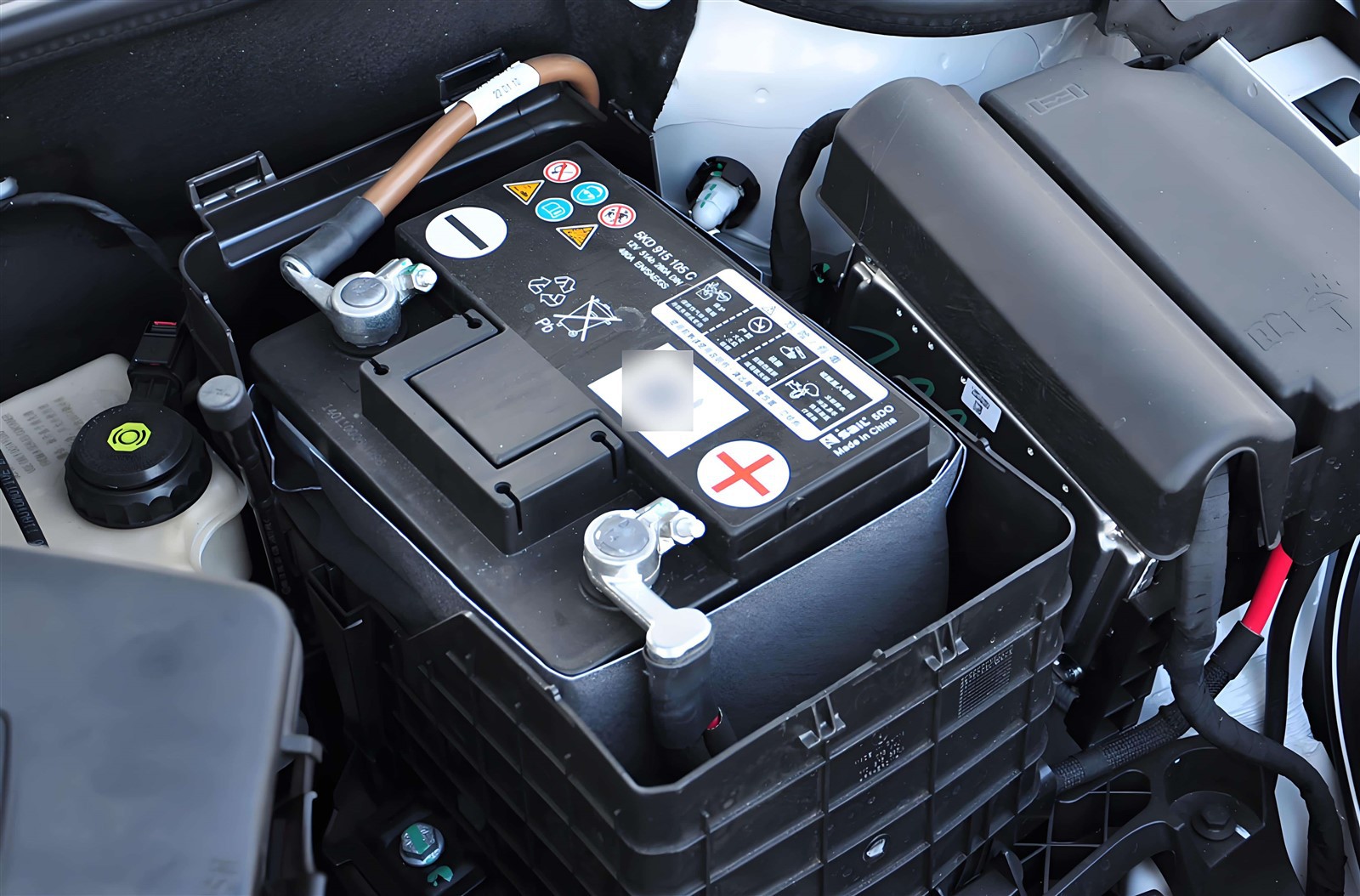
1.Frequent short trips: The culprit of battery "chronic wear and tear"
Phenomenon analysis:
When the single trip distance is less than 5 kilometers (especially in winter), the engine or motor has not yet reached the optimal working temperature, and the battery is in a low-efficiency state of "discharging and charging simultaneously". Frequent short trips can lead to:
Insufficient charging (a single charge can only replenish 50% - 70% of the power consumption)
Accelerated sulfation of the plates (inadequate charging leads to the crystallization and adhesion of electrolyte on the plates)
Data comparison:
Vehicles that travel less than 10 kilometers per day have a battery life that is 20% - 30% shorter than those that travel more than 30 kilometers per day.
2. Using electricity after the engine is turned off: The hidden killer that drains the battery's vitality
Common scenarios:
Using air conditioning, headlights, car chargers or audio equipment after parking, at which time the battery is in a "pure discharge" state.
Harm mechanism:
Deep discharging of lead-acid batteries (voltage below 12V) once may shorten their lifespan by 5 to 10 cycles.
Over-discharging of lithium batteries (below protection voltage) will cause permanent capacity loss.
Practical case:
Using a car refrigerator for 2 hours with the engine off may consume 30% of the battery's power, equivalent to an additional 50 charge-discharge cycles of wear and tear.
3. Sudden acceleration and sudden braking: the "violent mode" of energy management
Specific impact on electric vehicles:
When the vehicle accelerates rapidly, the motor's current can reach 2 to 3 times the rated current in an instant, causing the battery to discharge at a high current and accelerating the aging of the battery cells.
Frequent hard braking wastes the opportunity for kinetic energy recovery (kinetic energy is not converted into electrical energy for storage).
Problems associated with fuel vehicles:
When the vehicle accelerates rapidly, the generator load increases sharply, which may affect the stability of the charging system in the long term and indirectly lead to battery depletion.
4. Misconceptions about charging habits: The dual harm of "overcharging" and "undercharging"
Incorrect operation 1: Overcharging
Lead-acid batteries: If not disconnected in time after being fully charged, it can cause "thermal runaway", and the evaporation of the electrolyte will be intensified.
Lithium batteries: Long-term storage at full charge (especially in high-temperature environments) will accelerate the decomposition of the positive electrode material.
Incorrect operation 2: Long-term storage at low battery levels
For lead-acid batteries, when the voltage drops below 80% of the rated value, the sulfation rate of the plates increases fivefold.
If not fully charged before storage in winter, the risk of electrolyte freezing in low-temperature environments increases.
5. Environmental factors: The "double blow" of high and low temperatures
High-temperature impact (above 35℃):
The evaporation rate of the electrolyte increases, and the corrosion of the plates intensifies.
The internal chemical reaction rate of lithium batteries rises, and the capacity attenuation rate increases by 2-3 times.
Low-temperature impact (below 0℃):
The capacity of lead-acid batteries may drop by 30%-50%, and the charging and discharging efficiency decreases.
Frequent low-temperature starts will increase the battery load, causing the active substances on the plates to fall off.
6. Golden maintenance rules for extending battery life
1) Optimize driving habits
Avoid driving too short distances daily. Make a "deep charge" drive of over 20 kilometers at least once a week.
Reduce sudden acceleration and braking. For electric vehicles, you can activate the "economy mode" to limit current output.
2) Standardize charging management
Lead-acid batteries: Disconnect the power supply promptly after full charging. Perform a "balance charging" once a month (extend charging by 1-2 hours).
Lithium batteries: Charge to 80%-90% daily. Before long-term storage, keep the battery at 50%-60% capacity.
3) Regular maintenance and inspection
Check the battery voltage every quarter (recharge if the no-load voltage is below 12V).
Inspect whether the electrode terminals are oxidized. Rinse with hot water and apply Vaseline to prevent corrosion.
4) Extreme climate response
Summer: Avoid direct sunlight. Park in the shade as much as possible.
Winter: Preheat for 1-2 minutes before starting. Use low-viscosity lubricating oil to reduce starting resistance.

Conclusion
The lifespan of a battery is essentially the "accumulated result of usage habits". Starting today, changing a small habit that harms the battery can add points to its health: turn off all electrical appliances before turning off the engine, avoid frequent short-distance starts, follow the proper charging process... These seemingly minor actions will eventually translate into longer battery life and lower vehicle usage costs. Remember, treating the battery gently is a long-term investment in your travel experience.