


When purchasing a commercial truck, many buyers focus on engine power, cargo space, or price. However, one critical specification is often misunderstood or overlooked: GVW (Gross Vehicle Weight).
Understanding what GVW means-and why 3.5 tons is such an important threshold-can directly impact operating costs, compliance, and long-term efficiency.
This guide explains GVW in practical terms and helps business owners make smarter truck-buying decisions.
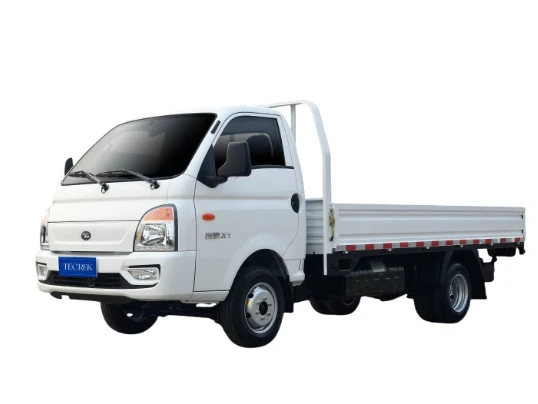
What Is GVW in a Commercial Truck?
GVW (Gross Vehicle Weight) refers to the maximum allowable weight of a fully loaded vehicle, including:
The vehicle itself
Cargo or goods
Driver and passengers
Fuel and fluids
Any mounted equipment or accessories
GVW is not an estimate-it is a manufacturer-defined and legally regulated limit. Exceeding it can affect safety, vehicle lifespan, insurance validity, and regulatory compliance.
GVW vs Payload: A Common Buyer Mistake
One of the most common misunderstandings is confusing GVW with payload capacity.
GVW = maximum total weight
Payload = how much cargo you can actually carry
Payload is calculated by subtracting the vehicle's curb weight from its GVW.
A higher GVW does not automatically mean higher usable payload if the truck itself is heavier.
For buyers, this distinction matters because choosing the wrong GVW class can result in overpaying for capacity you don't need-or underestimating what your business requires.
Why 3.5 Tons Is a Critical GVW Threshold
1. Regulatory and Licensing Advantages
In many markets, 3.5-ton GVW commercial trucks fall into a lighter regulatory category. This often means:
Fewer licensing requirements
Easier driver recruitment
Simpler registration and inspection processes
For small businesses and fleet operators, this translates into lower administrative burden.
2. Lower Operating and Ownership Costs
Trucks at or below 3.5 tons GVW typically offer:
Lower fuel consumption
Reduced maintenance costs
More affordable insurance
Lower tolls or road usage fees in some regions
These savings become significant over the vehicle's full lifecycle, especially for urban or high-frequency delivery operations.
3. Ideal Balance for Urban and Regional Transport
The 3.5-ton class is widely considered the "sweet spot" for:
Urban logistics
Regional distribution
Construction material transport
Municipal and service operations
These trucks provide enough payload for commercial use while remaining compact and agile enough for city streets and restricted access areas.
When a Higher GVW Makes Sense
While 3.5 tons is ideal for many businesses, it's not always the right choice.
You may need a higher GVW truck if:
Your cargo is consistently heavy or dense
You transport machinery or bulk materials
You operate long-distance routes with fewer stops
In these cases, moving to a 4–5 ton GVW light truck can prevent overloading and improve vehicle durability.
How GVW Affects Long-Term Reliability
Operating a truck near or above its GVW limit on a daily basis can lead to:
Accelerated chassis fatigue
Suspension and brake wear
Higher failure rates and downtime
Choosing the correct GVW class is not just a compliance issue-it is a reliability and cost-control decision that directly affects fleet performance.
How to Choose the Right GVW for Your Business
Before buying a commercial truck, ask these practical questions:
What is my average and maximum cargo weight?
How often will the truck run fully loaded?
Will I add body equipment or accessories later?
Am I operating mostly in cities or on highways?
Answering these questions honestly helps avoid under- or over-specifying your vehicle.
Final Thoughts: GVW Is a Strategic Decision, Not a Technical Detail
GVW is more than a number on a specification sheet. It determines how efficiently, legally, and profitably a commercial truck can operate.
For many businesses, the 3.5-ton GVW category offers the best balance between cost, capability, and flexibility-making it one of the most popular choices worldwide.
Understanding GVW before buying ensures that your next commercial truck is not just compliant, but truly fit for purpose.